Renovation and Extension Oskar Reinhart Collection «Am Römerholz»

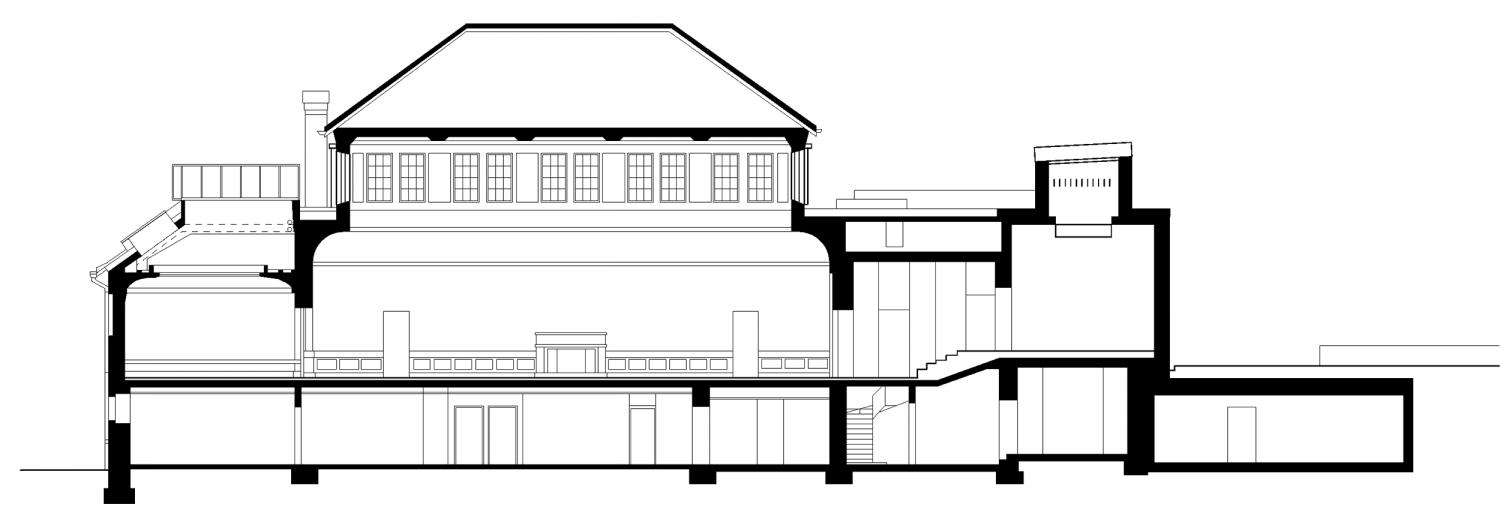
With the addition and alterations to the ‘Römerholz Villa’, the building once again undergoes a transformation. In 1915, the Geneva architect Maurice Turrettini, commissioned by then-owner Heinrich Ziegler-Sulzer, erected the building in the style of a French Renaissance country house. In 1924 Oskar Reinhart purchased the house and commissioned the same architect to build a gallery addition to accomodate his growing art collection. After his death in 1965, Oskar Reinhart bequeathed the building with its internationally prominent collection to the Swiss Confederation. After extensive alterations in 1970, the ground floor of the residential part of the building and the gallery spaces were made accessible to the public as a museum. The most recent alteration and renovation work can be traced to changing requirements with regard to lighting, operations and security that are required of contemporary museum spaces. Priority is laid therein upon the improved presentation of the high-quality works of art.

The architectonic means used to satisfy the varied requirements range from the replacement of two existing exhibition spaces with newly constructed ones, to simple renovation work, up to near-complete restoration of the historical spatial disposition and materials*. Hence, the commission divides itself into a plethora of differentiated interventions. This includes, for example, the spatial separation of the entrance space from the cloak room, in order to create more space for receiving guests; the restoration of the spatial arrangement in the former dining room; the reconstruction of former windows in order to illuminate certain sculptures; the reconstruction of the earlier parquet flooring in the gallery spaces; as well as the addition of etched panes of glass hung before the lantern skylight of the large gallery and the installation of sensor controlled louvers to regulate the light intensity.

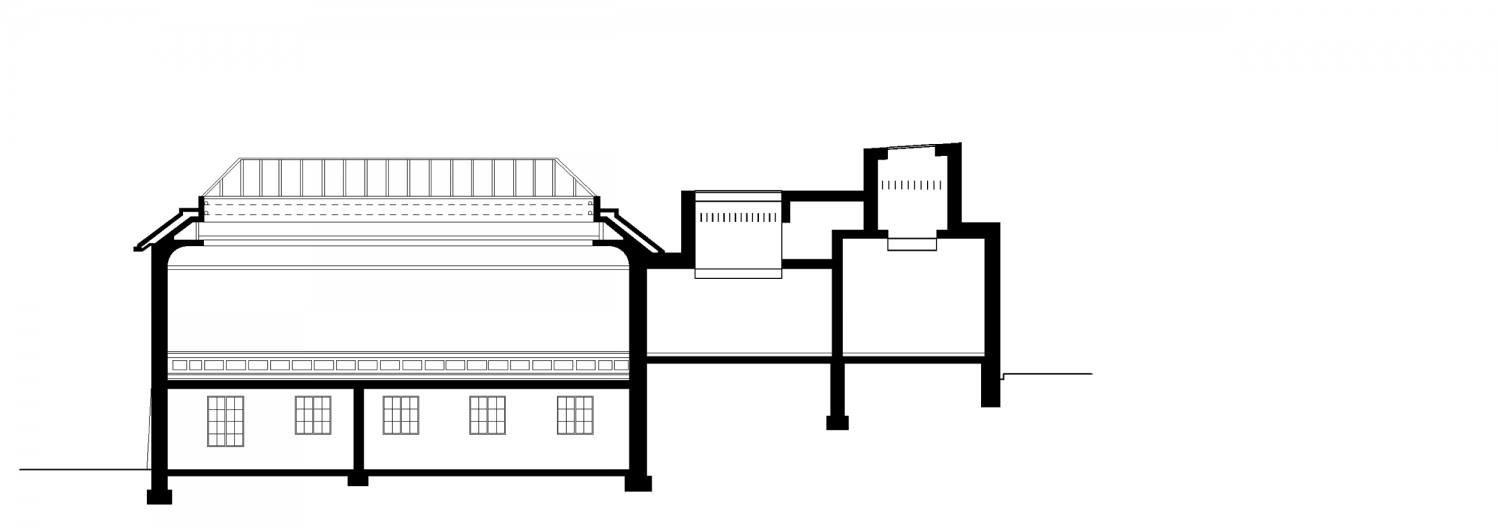
The most far reaching changes are the three new exhibition spaces that mark the transition between the former residence and the gallery area. Corresponding to the works on display, the three spaces possess various sizes and proportions. The larger room is to house oil paintings, while the two smaller rooms are planned to display light sensitive graphic works. All three spaces are naturally lit; electronically regulated louvers lessen the intensity of the light. The skylights on the ceiling have the appearance of glowing lit panels and distribute light evenly into the space.

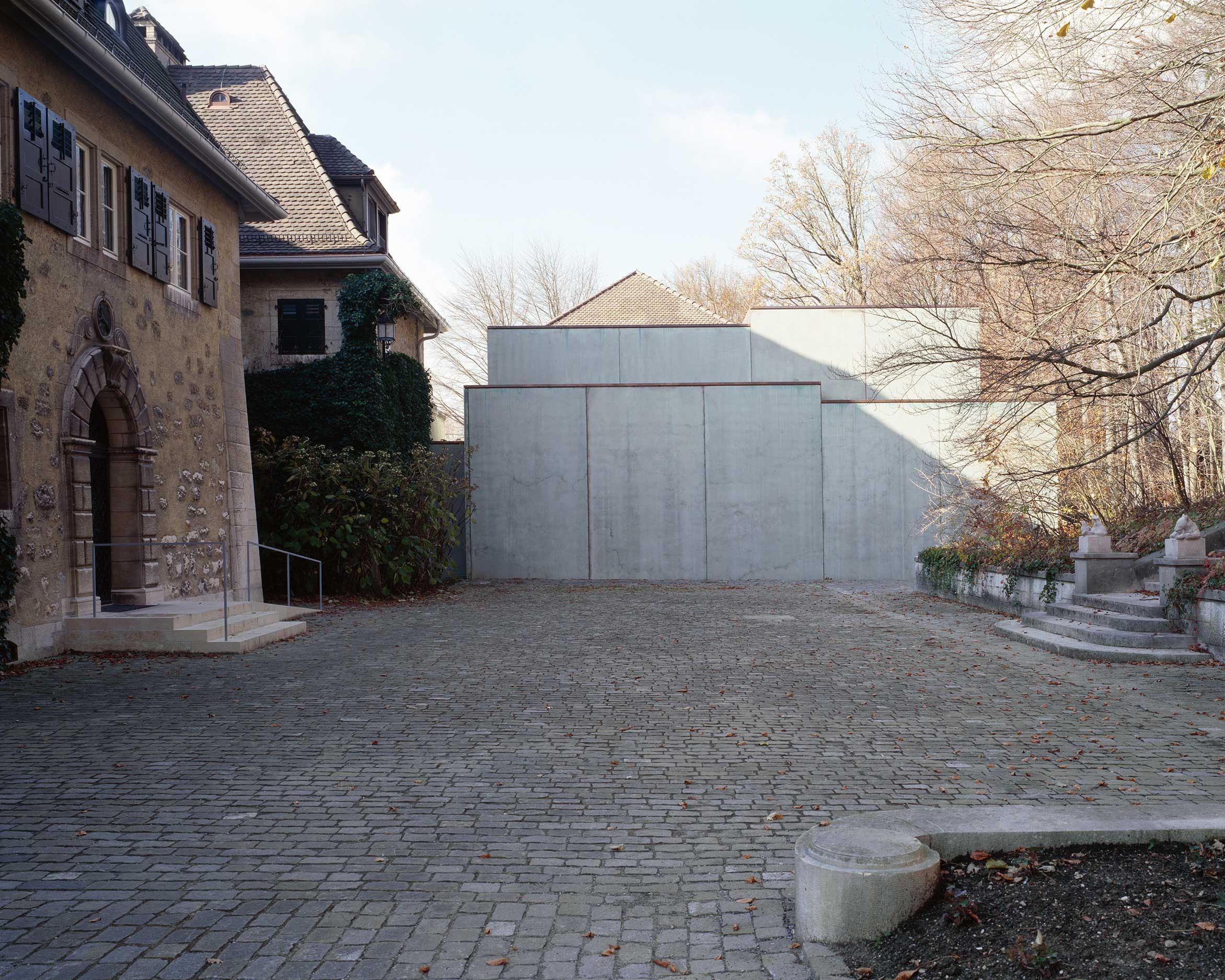
On the exterior, the new exhibition halls with their recessed skylights appear as closed, step-tapered volumes in concrete. Akin to a joint placed between the residence and the gallery wing, they terminate the entrance court on its shorter side. Like the existing gallery wing, the roof surfaces are covered with copper sheet. Large, pre-fabricated concrete elements form the cladding of the walls and the recessed skylight lanterns. Jura limestone and copper, two of the primary materials of the existing villa, were mixed into the concrete as powdered ingredients. The limestone and the copper powder in combination lead to a quick acting oxidation and to a green shift in colouration of the concrete. As water, enriched by copper ions, drains from the roof, the colouration process of the façade will increase over time. By virtue of this accelerated patinisation, the new building should make a kind of ‘journey through time’ towards the two, older, historic building elements - in the sense of an ‘alchemistic’ adaptation of the new building to the genius loci.

* Additional information:
The federal government passed general spending limits at the beginning of the planning phase, which also affected the retrofitting budget for the Oskar Reinhart Collection "Am Römerholz". Funds were cut in half, so that a comprehensive renovation was no longer feasible. In 2009/2010 a separate renovation phase took place without Gigon/Guyer participating. This included the construction of a new shelter space for cultural artifacts, the restaurant kitchen, the restrooms, the museum education spaces, and modifications of the technical equipment, by P&B Architekten.

Location Winterthur, Switzerland

Programme Renovation and remodelling existing Villa «Römerholz»: Entrance area, exhibition rooms, café
New building: exhibition spaces

Competition 1993, 1st Prize

Planning/Construction 1995–1998

Client Federal Office for Construction and Logistics, Bern

Gross Floor Area 136 m2 (three new build exhibition spaces)
Net Internal Area (SIA 416): 1‘000 m2 (total renovated exhibition space)

Team GG Planning/Construction: Andreas Sonderegger (Project Manager), Markus Jandl, René Kümmerli
Competition: Raphael Frei, Michael Widrig, Judith Brändle

Landscape Architecture Kienast Vogt Partner, Zurich

Electrical Engineer Elkom Partner AG, Chur

Building Services Engineer Waldhauser Haustechnik AG, St.Gallen

Daylighting Consultant Institut für Tageslichttechnik Stuttgart, Germany

Lighting Consultant Lichtdesign Ingenieurgesellschaft mbH, Cologne, Germany

Signage Trix Wetter, Zurich

Photos © Andrea Helbling
© Harald F. Müller

Extension of Kunst Museum Winterthur / Beim Stadthaus

Publications about the Erweiterung Kunst Museum Winterthur
national press / specialist press since 1995 (PDF Download)
international press / specialist press since 1995 (PDF Download)


The expansion of the Kunst Museum Winterthur / Beim Stadthaus , long planned and now realised in the form of a provisional structure, creates the spatial conditions to not only house temporary exhibitions, but also to be able to permanently present the extensive collection of the Kunstverein.

The new building is connected to the museum spaces of Rittmeyer & Furrer’s existing building by a bridge. The exhibition rooms of the addition are simple, rectangular spaces with sawtooth skylights facing north. By means of a simple grid the basic area measuring approximately 1,000 square metres is divided into spaces that vary in both size and proportion. During the tour through the rooms one enters the individual spaces at different locations, creating the impression for visitors of a subtle, spatial differentiation. Three large windows offer the possibility of an outward glance and orientation. Corresponding to the budget-related industrial-like manner in which the building is constructed and illuminated, the floor plan layout, void of circulation spaces, is also very economical and rational. The single storey nature of the museum allows – besides the illumination of all spaces with zenithal light – a flexible combination of the rooms with the various works of art.

The project aims to avoid a makeshift impression within the exhibition rooms, whilst obeying as far as possible the rules of a temporary structure in terms of design and material qualities. This understanding stipulates a layered, two-ply construction: common, long-lasting and - as far as possible - jointless materials in the interior spaces, and additive, recyclable elements that can be quickly mounted or de-mounted for construction, insulation and cladding. Hence, the interior of the building is largely built as a solid into the load-bearing, lightweight steel construction. Gypsum masonry forms large-surface, jointless walls, and a poured, floating granolithic concrete floor serves to accommodate heavy loads.

The building is insulated with standardised, steel sheet C-profiles filled with insulation batts. The C-profiles are mounted between the vertical members of the steel construction. The underside of the museum floor and the facades are insulated with these galvanised, perforated panels. They are protected from the weather by sheets of galvanised metal on the roof and vertical rows of glass profiles on the facades. The same glass profiles, set apart with open joints in between, serve on the ground floor to illuminate and ventilate the parking spaces, while they simultaneously “ground” the museum building, which seemingly hovers above the garage.

Location Winterthur, Switzerland

Programme 9 exhibition spaces, connection to the existing museum by a bridge, parking space on the open ground floor

Competition 1993, 1st Prize

Planning/Construction 1994–1995

Client Kunstverein Winterthur

Gross Floor Area 2'364 m2

Team GG Planning/Construction: Michael Widrig (Project Manager), Stefan Gasser
Competition: Michael Widrig

Structural Engineer Branger & Conzett AG, Chur

Building Services Engineer Waldhauser Haustechnik AG, Basel

Daylighting Consultant Institut für Tageslichttechnik Stuttgart, Germany

Lighting Consultant Lichtdesign Ingenieurgesellschaft mbH, Cologne, Germany

Photos © Heinrich Helfenstein

Awards Mies van der Rohe Award for European Architecture – Finalist, 1997

Swiss Museum of Transport – Multi-purpose Building «House of Energy»

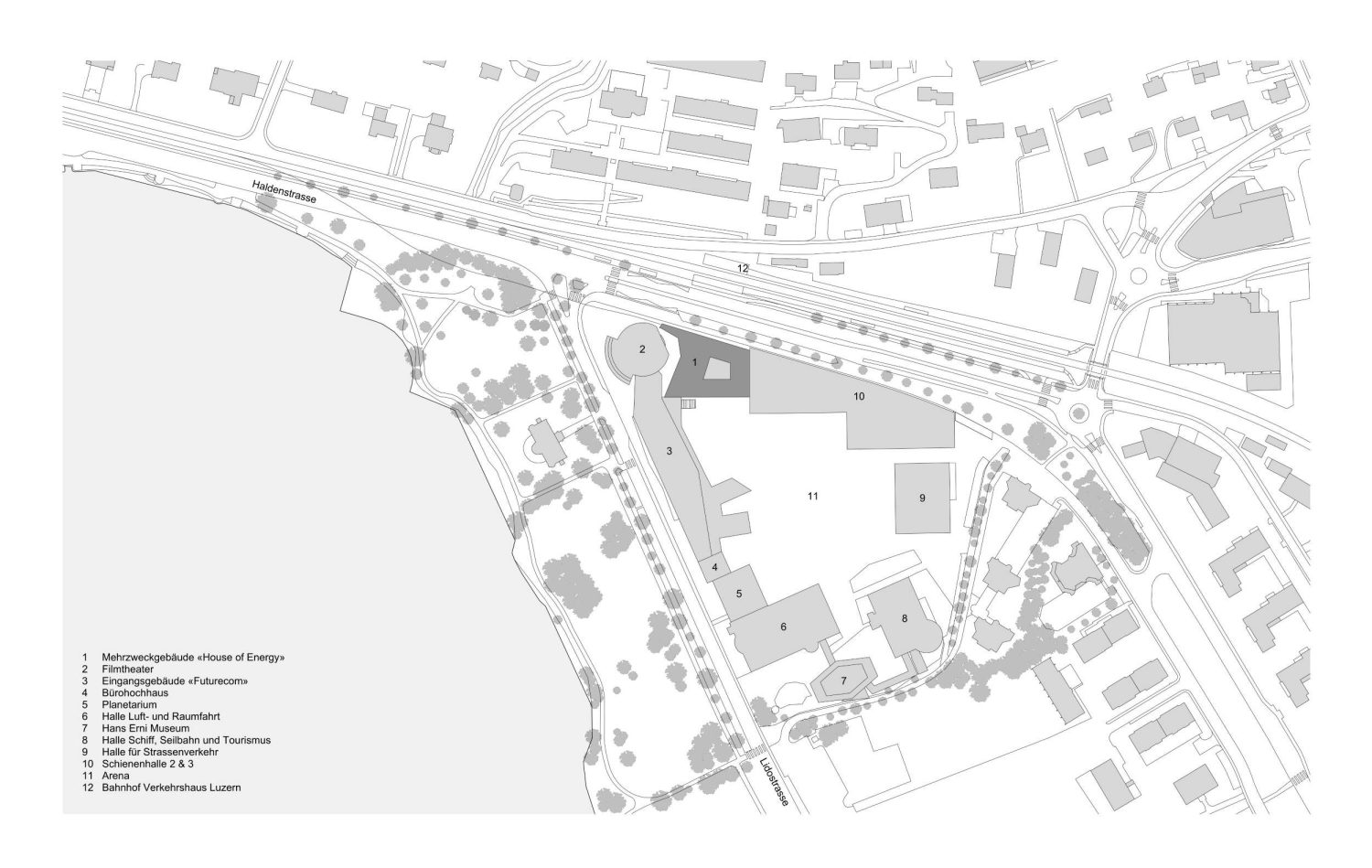
The new multi-purpose building replaces the former “Rail Transport Hall 1”, designed by Otto Dreyer, from the founding years of the Swiss Museum of Transport. The new structure is intended to house several uses, as its name suggests. Like its predecessor, it provides exhibition spaces at ground floor level, now for changing exhibitions alongside the continuing display of rail transport items. Furthermore, the ground floor of the multi-purpose building features a welcoming second entrance area for the museum complex facing Haldenstrasse and the railway station “Verkehrshaus Luzern”, which opened in 2007. Connected to this are also a shop and other entrances for the uses in the upper floors.

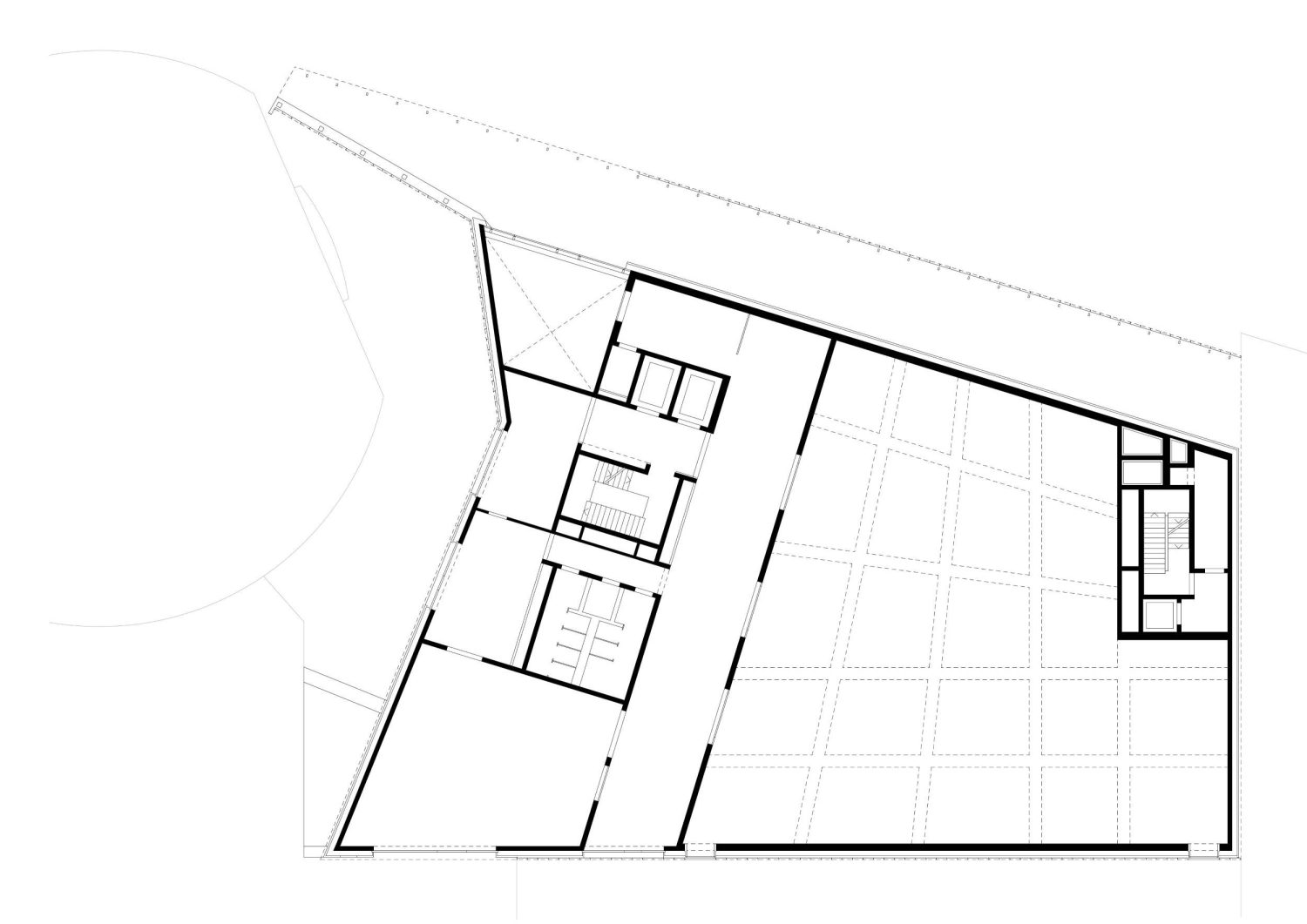
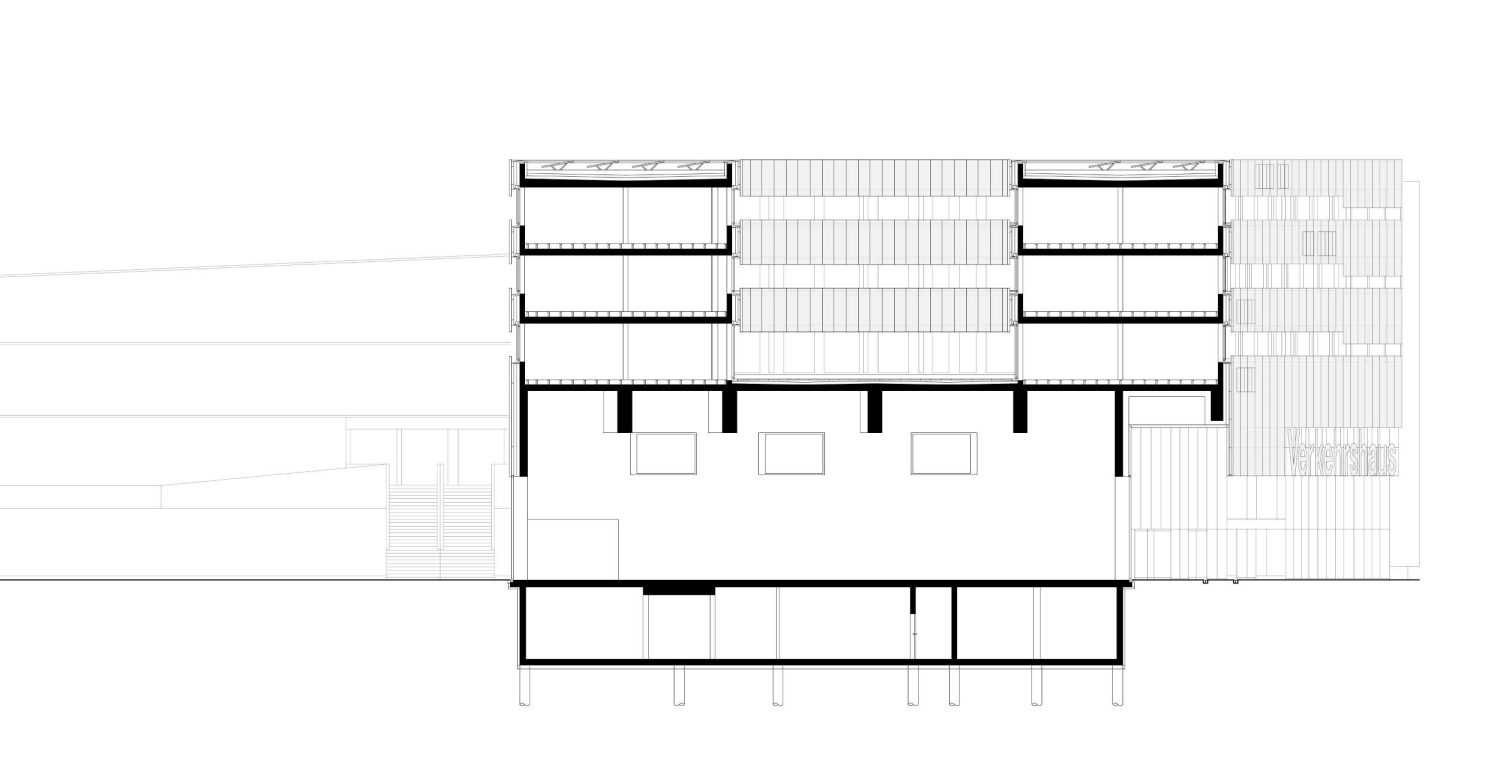
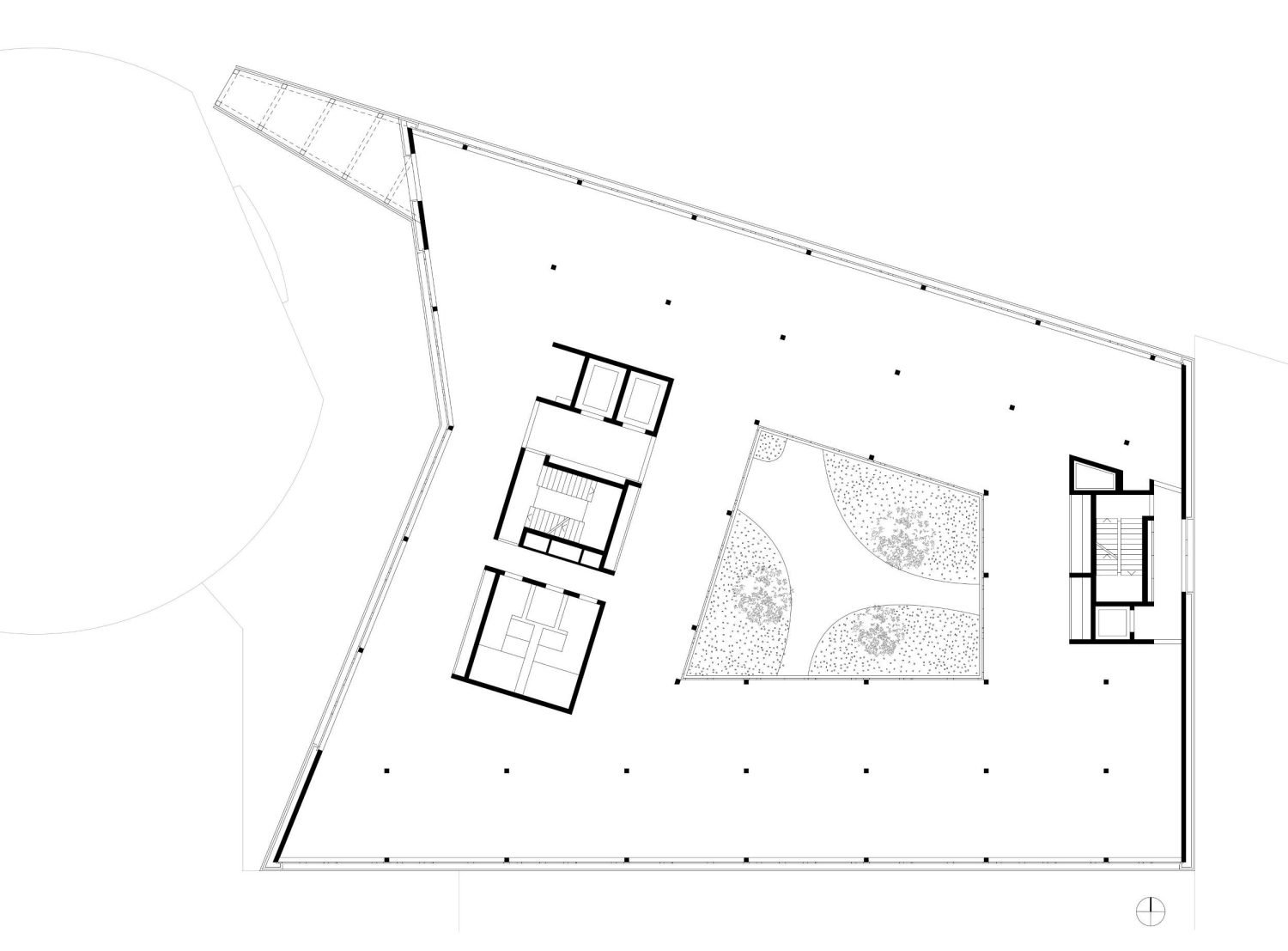
On the first floor, three new conference rooms are created as extension of the current conference functions located in the “Futurecom” building. From the foyer the participants have a view into the high exhibition space and also out to the “Arena”. The three floors above are reserved for office use. They are arranged around an elevated green patio and primarily serve the museum administration as well as associated organizations and exhibition partners. The basement not only contains additional utility spaces, but also the new central energy plant of the entire museum complex – a heat pump supplied by lake water.

The new volume is larger than the preceding building and approaches the height of the adjacent existing IMAX movie theatre building. The polygonal plan shape reaches over to the cylinder structure with open air balconies. Together, they form an interstitial space for lighting and logistics. Toward Haldenstrasse, the building cantilevers above a weather protected zone at the entrance and an outside exhibition area. Access for locomotives to the existing “Rail Transport Hall 2&3” stays open.

High structural requirements imposed on the foundation by the difficult substrate as well as the desired column-free exhibition hall with a width of up to 30 m justify the choice of reinforced concrete as building material for the load-bearing construction and the stairway cores. The floor slabs of the offices provide the necessary thermal inertia and accommodate the heating loops of the thermal activated building system (TABS) as well as acoustic absorber elements – thus eliminating the need for further cladding while optimizing the room height. Insulation thickness of up to 30 cm and a moderate proportion of openings with ribbon windows are expected to result in good energy consumption figures. The new building is certified according to Minergie-P.

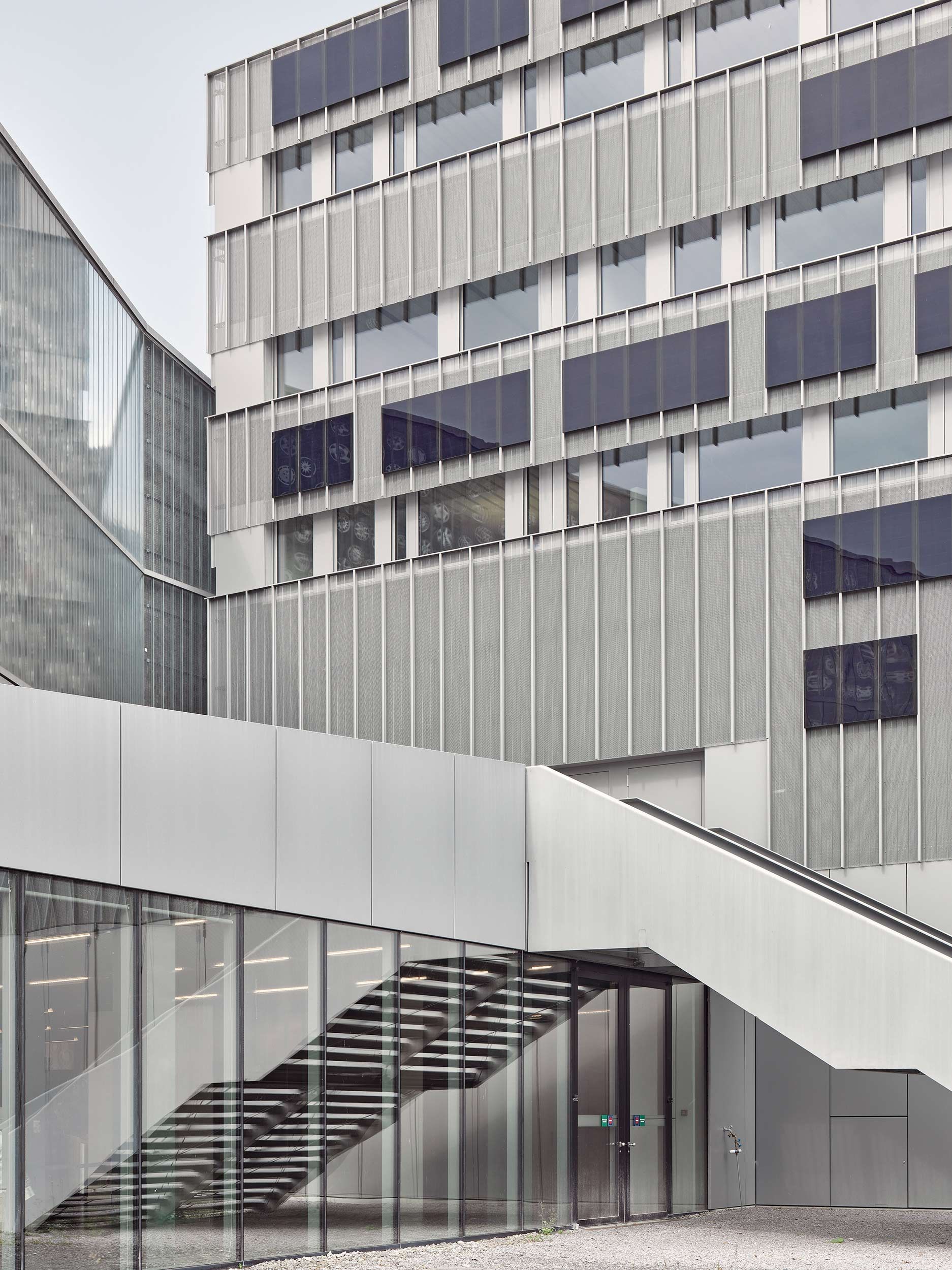
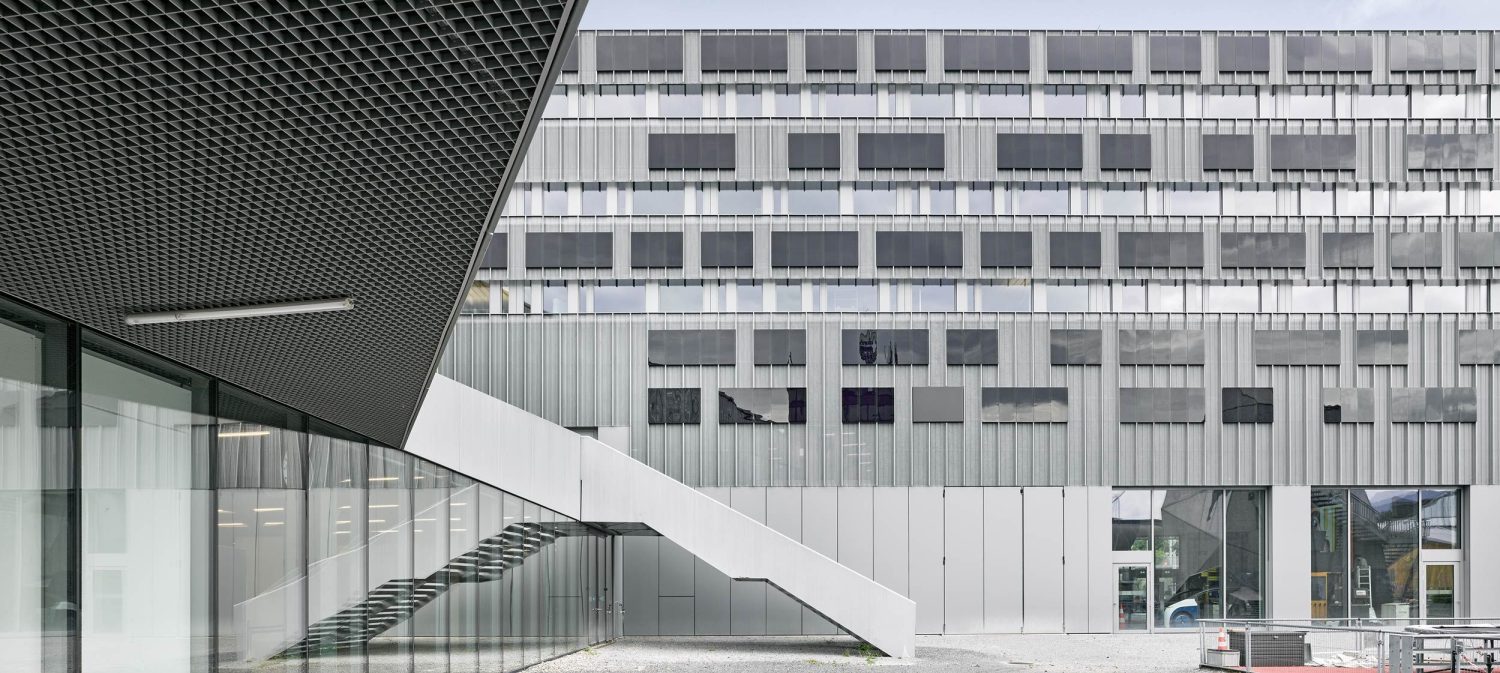
In analogy to the versatile usage of the building, various and different demands must also be met by the facade envelope. In addition to thermal insulation and summer sun protection, the exterior wall should also be acoustically effective, i.e. dampen reflections of road noise in the direction of the “Arena” and the residential buildings further up the slope. Like most of the buildings in the museum complex, it has a metal facade. In the case of the multi-purpose building, this consists of standardized metal cassettes, such as are frequently used as support structures in industrial construction. The perforated sheet metal, in combination with the insulating layers behind it, meet the mentioned requirements and form the concealing, yet see-through and translucent dress, which also acts as a brise-soleil and, moreover, serves as a support for the photovoltaic elements.
Applying photovoltaics not only on the roof but also on the facades is a challenge for the design and still also for the acceptance. The monocrystalline PV elements are distributed in varying density according to the different exposures of the facades. The arrangement in groups of eight elements, each with a gap, was developed with the artist and geometry engineer Urs Beat Roth. The layout of the panels, superimposed on the ribbon windows and the grid of the metal cassettes, results in a variable interplay. It is an attempt to make the useful energy producers, which are nevertheless often deemed unsightly, an integral part of the façade design, without compromising their efficiency through coatings or custom glazing.

Location Lucerne, Switzerland

Programme Exhibition space, shop, conference rooms, offices

Commission 2017

Planning/Construction 2017–2023

Client Swiss Museum of Transport, Lucerne

Gross Floor Area 7'985 m2

Team GG Planning/Construction: Annette Gigon, Christian Maggioni (Team Manager), Philippe Volpe (Project Manager), Anne Spiegler, Chee Xu, Milica Brockmann

Site Management Büro für Bauökonomie AG, Lucerne

Structural Engineer Schubiger AG Bauingenieure, Lucerne

Electrical Engineer Scherler AG, Lucerne

Building Services Engineer Markus Stolz + Partner AG, Lucerne

Building Physics Engineer RSP Bauphysik, Lucerne

Fire Safety GRP Ingenieure AG, Rotkreuz

Facade Rood AG Metallbauplanung, Stans

Other Artist / Geometry engineer (Layout of the PV elements):
Urs Beat Roth, Zurich

Visualization Indievisual, Zurich

Photos Seraina Wirz, Zurich
Film: Severin Kuhn, Zurich

FILM

Swiss Museum of Transport – Entrance Building

The current project is based on the 1999 competition. At that time the brief represented an urban design vision for the gradual renovation of the museum complex with its various buildings exhibiting the different modes of transport, as well as a new building for the Road Transport Hall. During the first construction phase (2005–09) a new Entrance Building (FutureCom) was built in addition to the replacement of the Road Transport Hall. This urban design strategy enabled the creation of a central open courtyard (Arena), which in the new scheme will remain undeveloped, creating a setting for temporary, themed exhibitions as well as space for young visitors to run around and play.

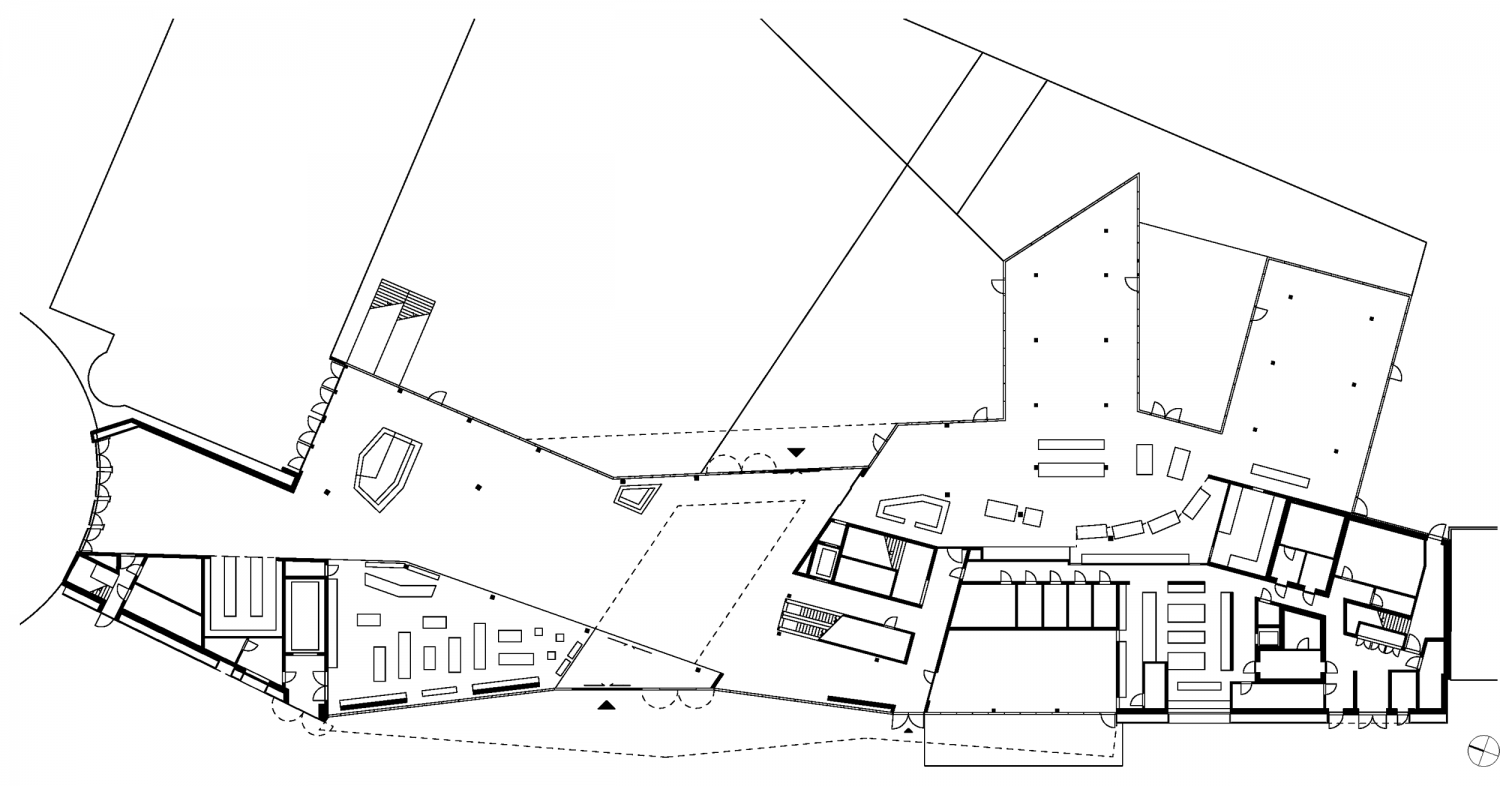
The new Entrance Building forms a bridge-like link between the existing buildings on Lidostrasse (the Filmtheater, the Rail Transport Hall, and the high-rise with adjacent planetarium). The ticket office, shop area, and two restaurants are located on the ground floor – one restaurant offers table service and opens toward the lake, the other is conceived as a self-service restaurant that stretches out with fingers into the Arena. The exhibition areas for communication media, the new entrance to the Planetarium, and also the building services area are found on the first floor. The second floor accommodates the conference area, with a conference hall that seats 500 guests, a generous foyer, and three smaller meeting rooms. A large opening in the ceiling of the entrance hall affords views through the entire building – into the exhibition level and all the way up to the conference level.

The glass façades that provide protection from the elements also form more or less transparent “display cases” for all kinds of wheels, propellers, wheel rims, turbines, cogs, steering wheels, etc. These mechanical parts are densely hung on grids in front of the thermal insulation, shining and glinting through the blue-green glass panes of the façade. Seen at an angle, they submerge again behind the glass. Like a trophy display, the omnium-gatherum of recycled and dusted-off used metal together with pieces from the museum’s collection pays homage to the wheel as a basic element of mechanical movement.

Location Lucerne, Switzerland

Programme Entrance Building to the museum complex, bridge-like link between the existing buildings; reception, shops, restaurants, exhibition spaces, conference area, conference hall 500 seats

Competition 1999, 1st Prize

Planning/Construction 2005–2009

Client Swiss Museum of Transport, Lucerne

Gross Floor Area 7'181 m2

Team GG Caspar Bresch (Team and Project Manager), Mark Ziörjen, Damien Andenmatten, Gaby Kägi, Gilbert Isermann

Total Contractor Karl Steiner AG, Lucerne

Landscape Architecture Schweingruber Zulauf Landschaftsarchitekten, Zurich

Structural Engineer Henauer Gugler AG, Lucerne

Electrical Engineer Scherler AG, Lucerne

Building Services Engineer Wirthensohn AG, Lucerne

Exhibition Design Consultants: Lars Müller, Baden and Peter Regli, Zurich

Photos © Heinrich Helfenstein

Address Lidostrasse 5, CH – 6006 Lucerne

Awards Auszeichnung guter Baukultur Kanton Luzern 2005–2016, Anerkennung

Kirchner Museum Davos

Publications about the Kirchner Museum Davos
national press / specialist press since 1991 (PDF Download)
international press / specialist press since 1991 (PDF Download)


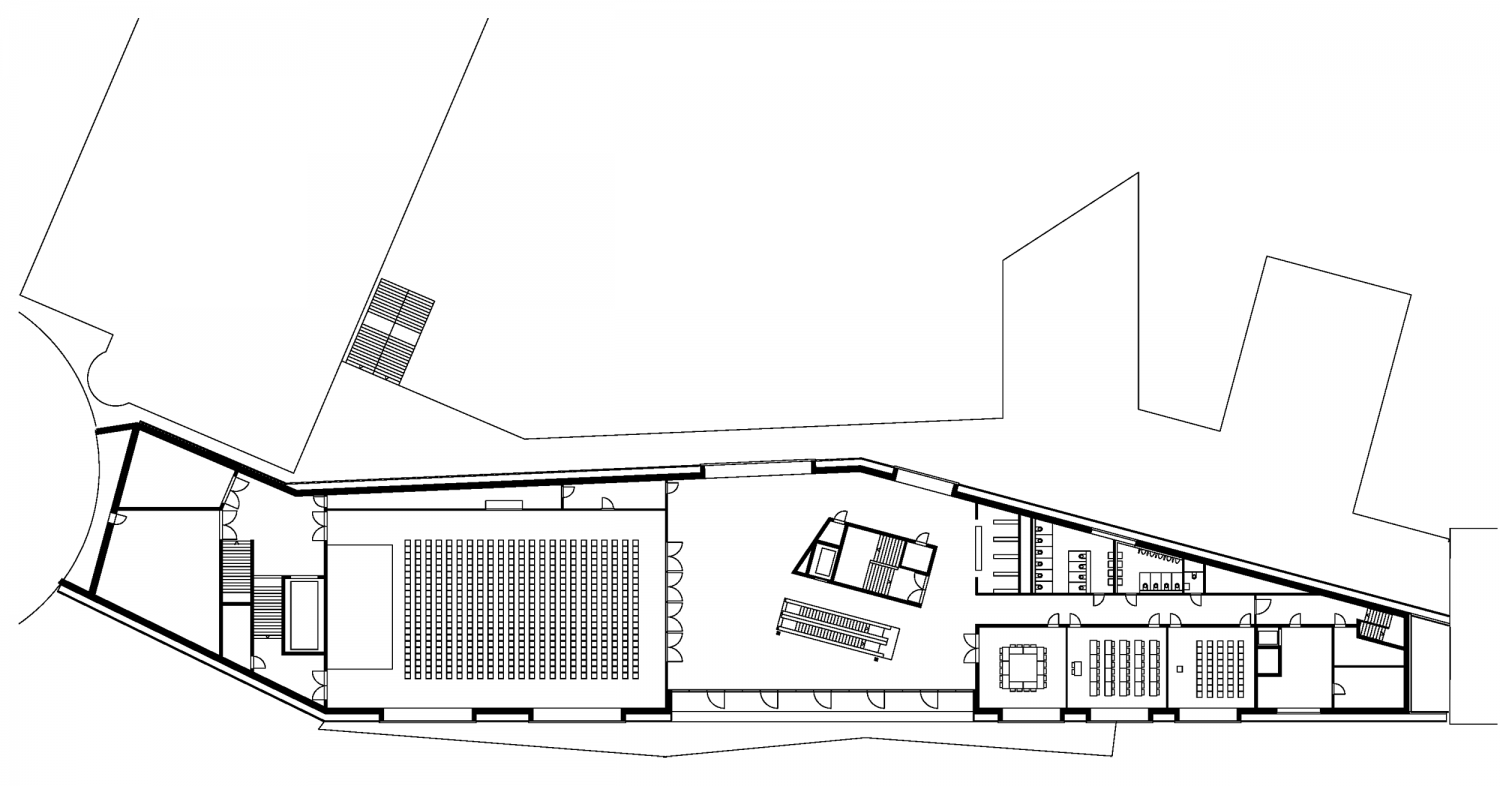
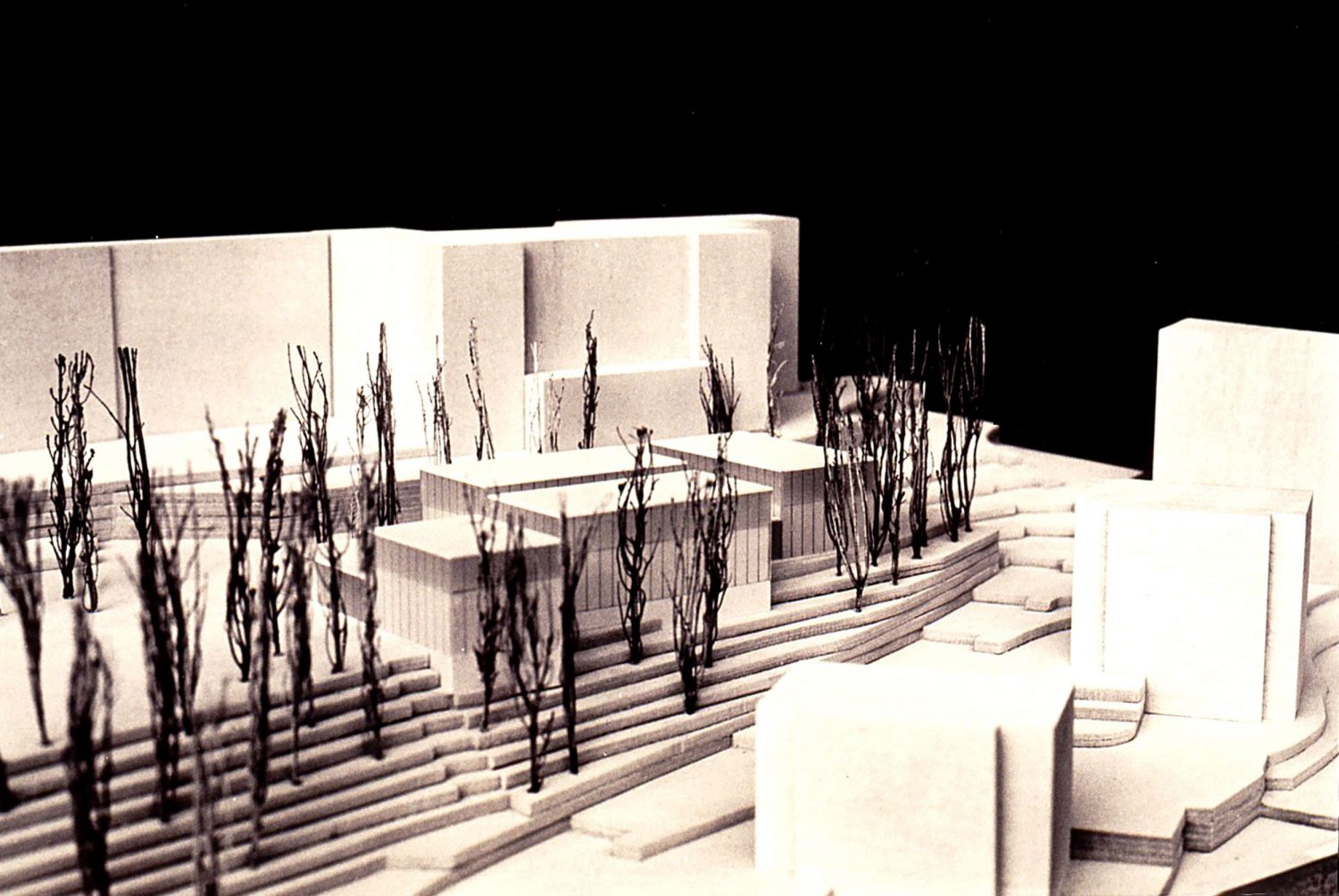
The main objective of the design was to create exhibition space for the art of E.L. Kirchner which should neither compete with Kirchner’s work nor unduly heighten it.
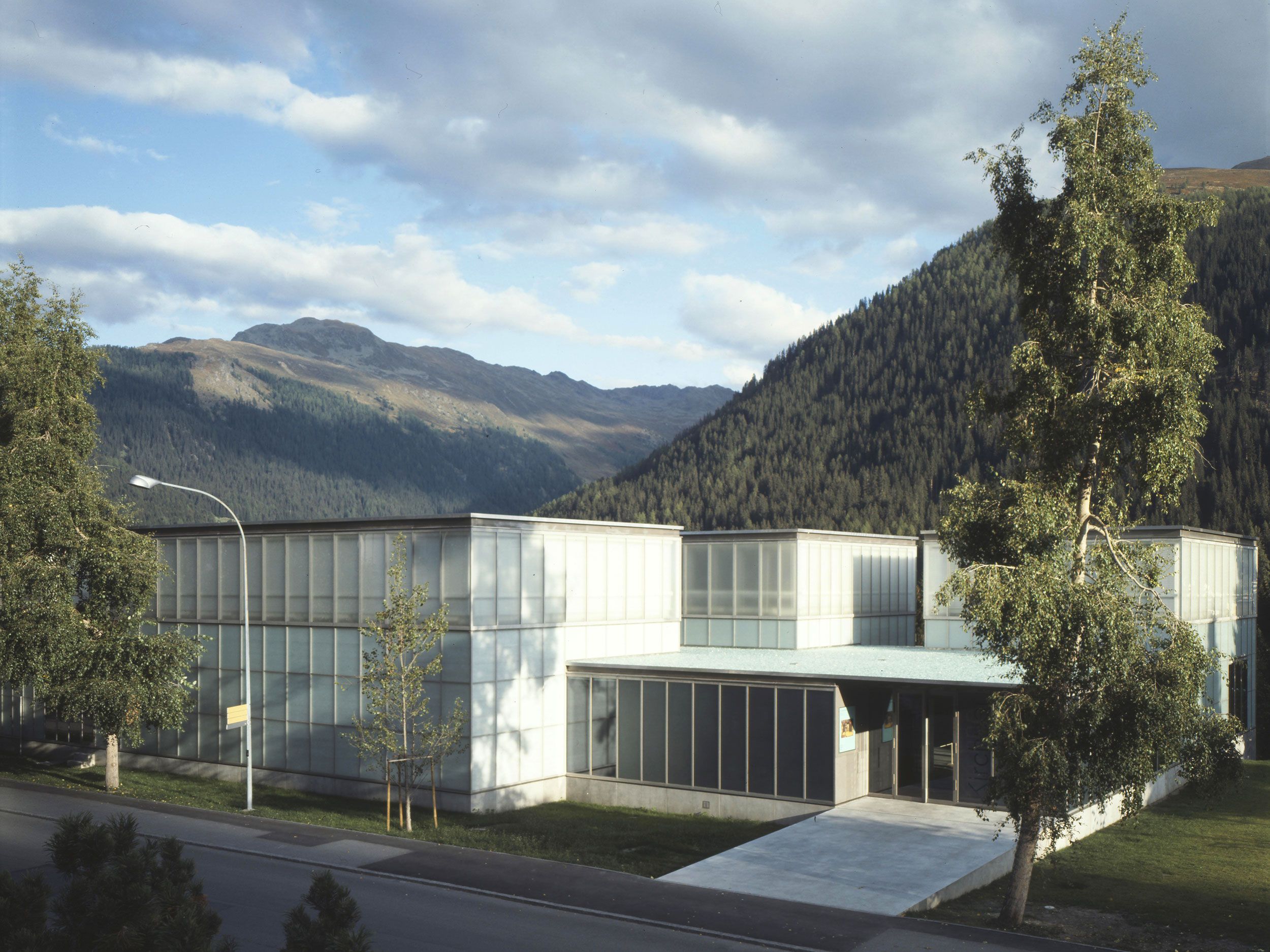
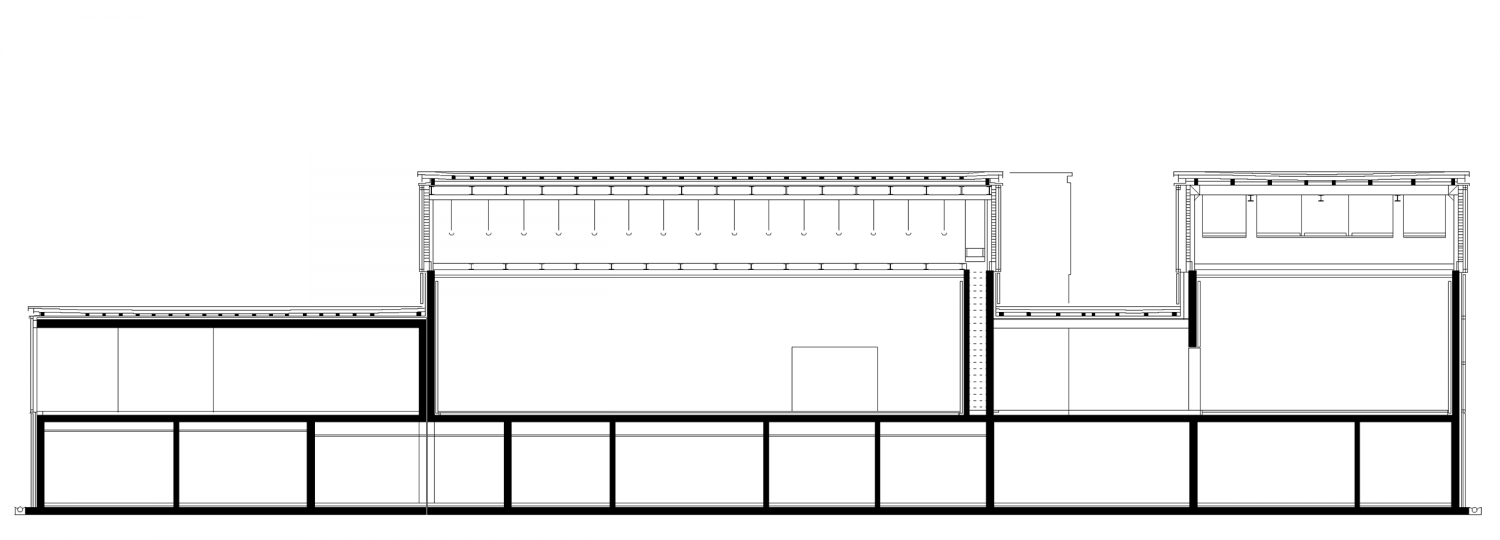
The four exhibition rooms on the entrance level of the museum have therefore been designed with great restraint. The white walls, the oak parquet flooring and the wall-to-wall glass ceiling form a simple cube, which is comparable in its spatial effect to the exhibition rooms of the turn of the century.

The daylight enters sideways, into the large overhead lighting spaces (skylights). Then it comes from above, through the etched glass ceiling, into the exhibition rooms. (This skylight solution prevents daylight being blocked out by snow - Davos is at a height of 4921 ft.) For use at night the large overhead lighting spaces above the exhibition rooms also contain the entire artificial lighting system.

The space between the cube-shaped exhibition rooms, constructed in fair-faced concrete, forms the entrance hall. Walking through the museum, visitors will keep returning to this hall, from where one has a view of the surrounding park, the road, the landscape and the town of Davos: all of them objects of Kirchner’s painting.

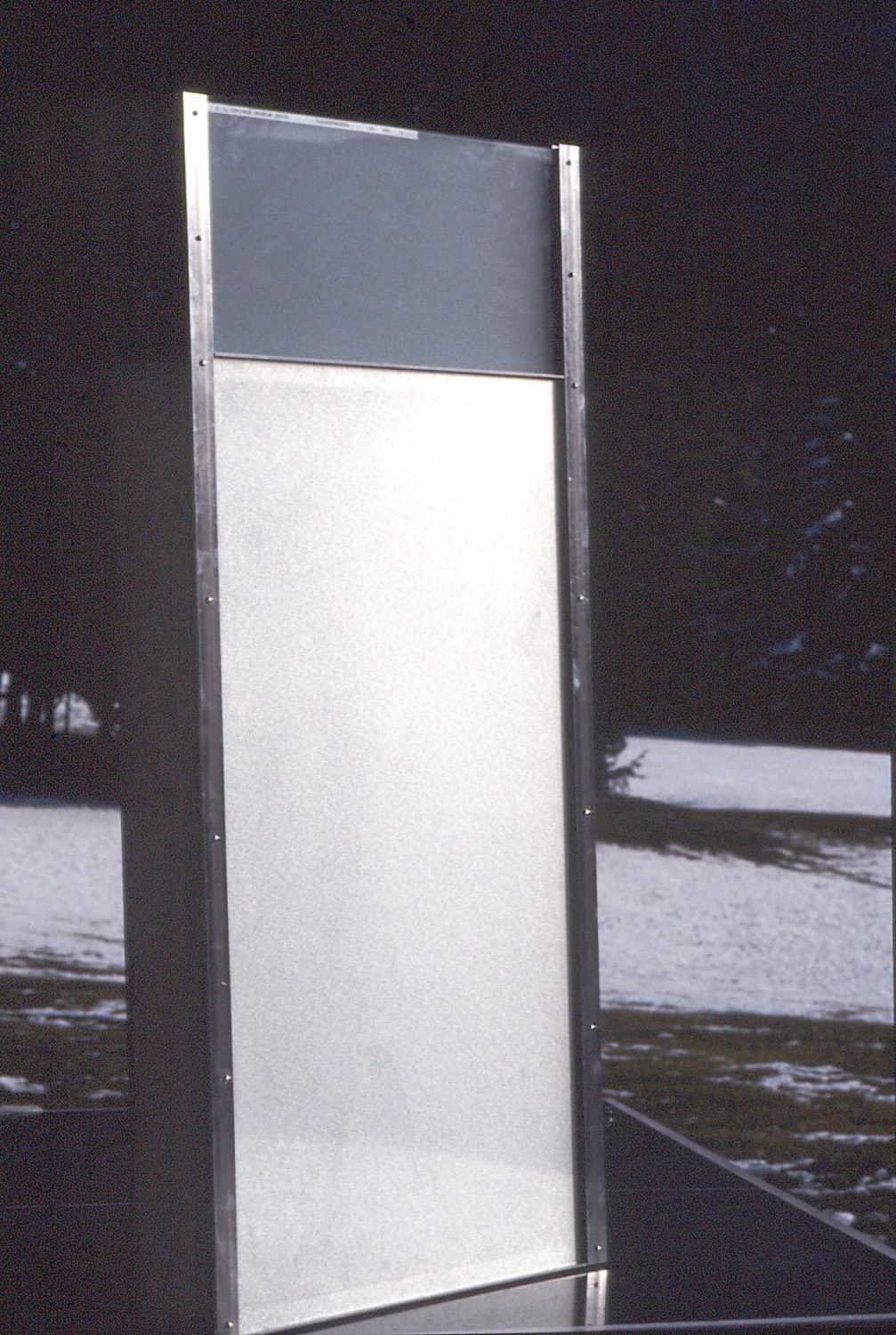
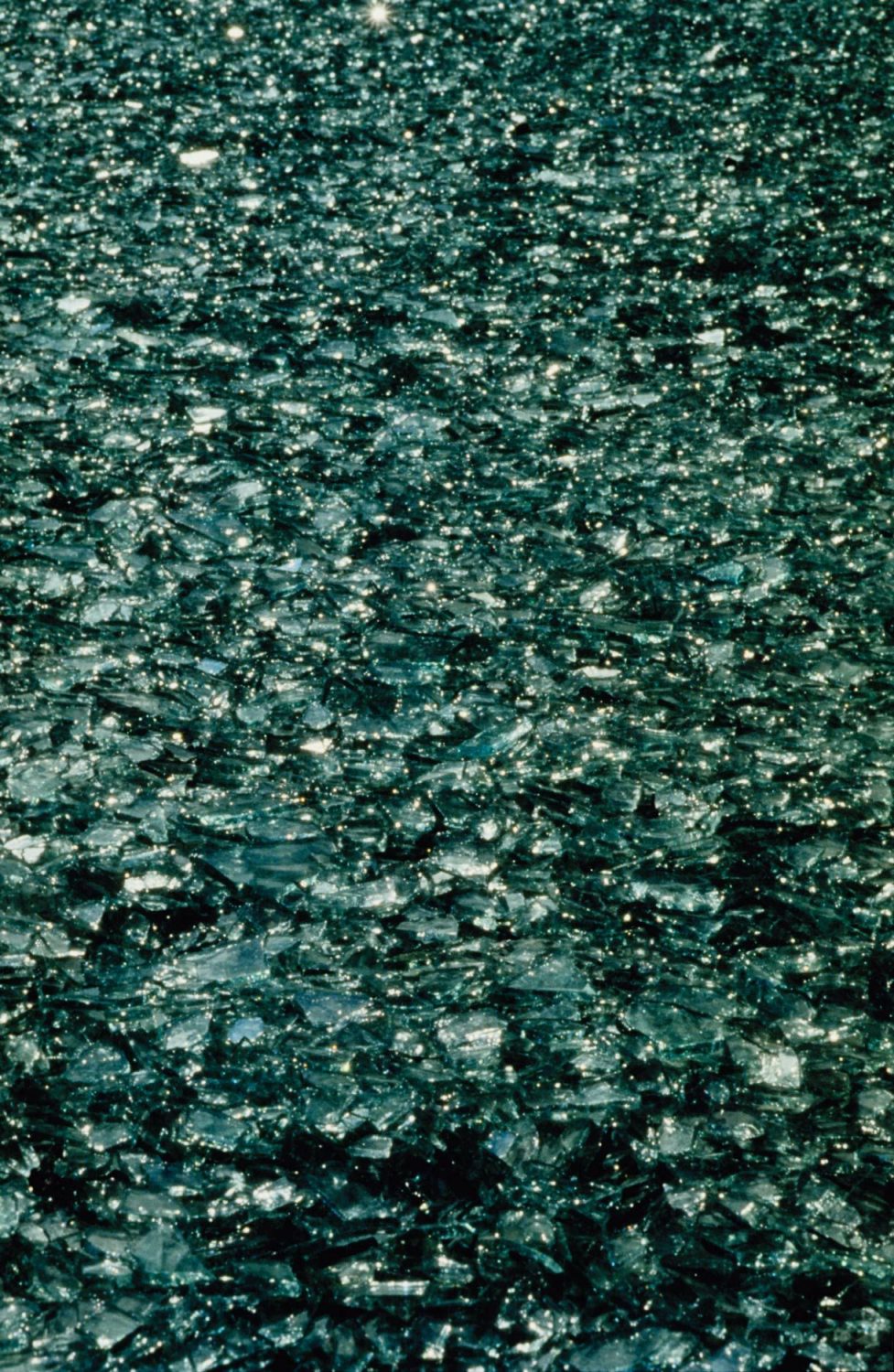
The museum is clad with a glass facade consisting of a variety of transparent, matt and polished glass. The glass-cladding plays and works with the clear, brilliant alpine light. Depending on the different functions of the glass – bringing light into the building and ensuring visibility – its finish differs: clear and mirror-smooth in the entrance hall to allow a view of the exterior, matt in the skylights to diffuse the incoming light, and matt and profiled as a translucent facade cladding to cover the thermal insulation on the concrete walls. A layer of recycled glass fragments on the roof replays the usual gravel, showing the last and transitory ‘finish’ of glass.

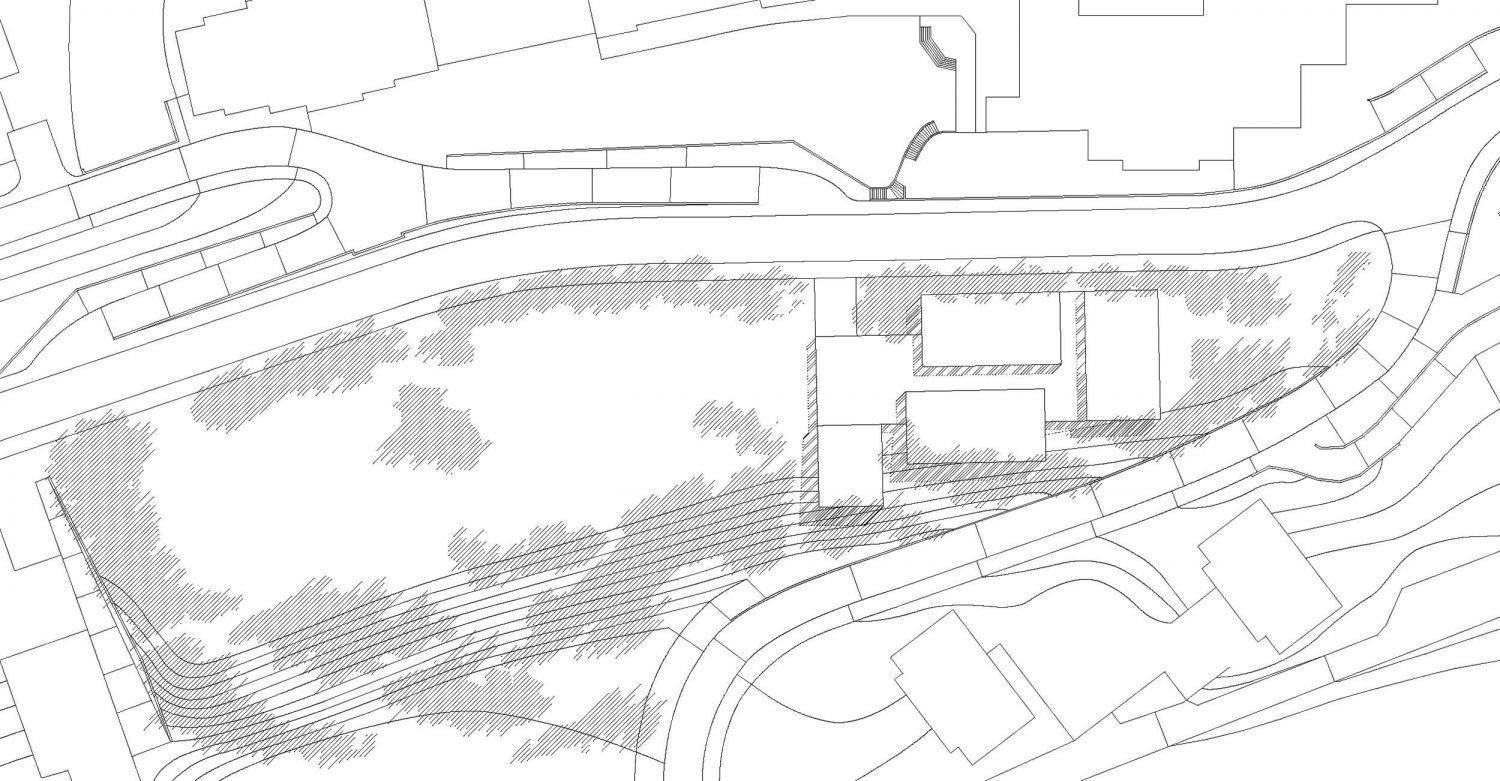
The high cubes of the exhibition rooms are located freely within the park between the old trees. At the same time, the layout reflects the settlement structure of Davos town, with its random placement of detached flat-roofed buildings.

Location Davos, Switzerland

Programme 4 exhibition spaces, connecting entrance hall, teaching room, library, conference room, offices, workshops, storage

Competition 1989, 1st Prize

Planning/Construction 1990–1992

Client Kirchner Stiftung Davos

Gross Floor Area 2‘208 m2

Team GG Annette Gigon, Mike Guyer, Judith Brändle, Raphael Frei

Site Management Annette Gigon / Mike Guyer Architects, Zurich
Mitarbeit: Urs Schneider

Landscape Architecture Roland Raderschall Landschaftsarchitekten AG, Meilen

Structural Engineer Preliminary Design: Aerni + Aerni Ingenieure AG, Zurich
DIAG Davoser Ingenieure AG, Davos

Electrical Engineer K. Frischknecht AG, Chur

Building Services Engineer 3-Plan Haustechnik AG, Winterthur

Lighting Consultant Institut für Tageslichttechnik Stuttgart, Germany

Signage Lars Müller, Baden

Photos © Heinrich Helfenstein

Awards Tageslicht-Award der Velux Stiftung, 2012
Auszeichnung «Bauen in den Bergen» Sexten Kultur, 1995
Auszeichnung guter Bauten des Kantons Graubünden, 1995

Fondazione Marguerite Arp

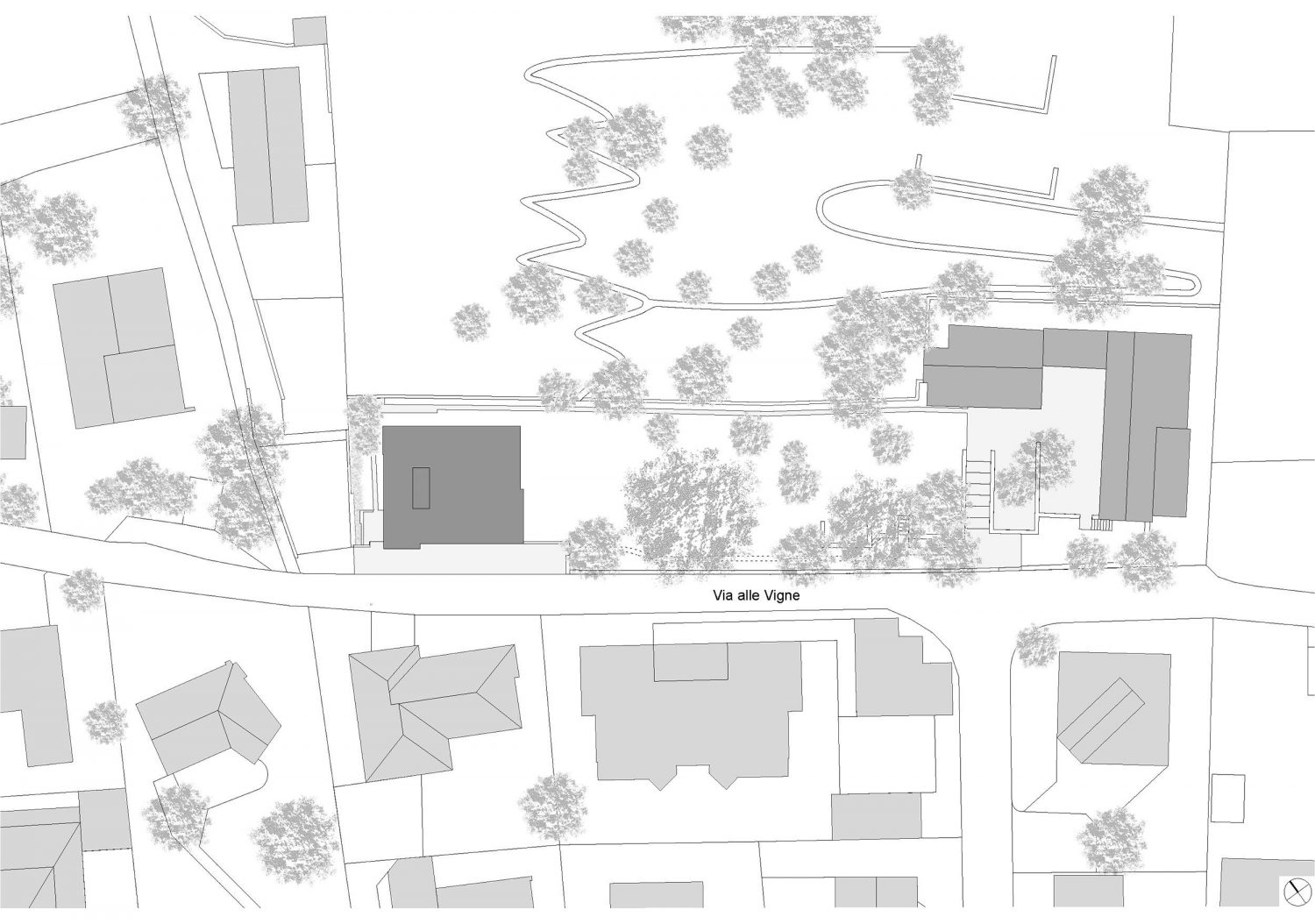
The impressive site in a district in Solduno consisting largely of small single-family houses includes both a large, extremely steep slope that extends to the edge of the woods on the hill above and also a slightly raised, level area with some fine mature trees. The former house of the artist Hans Arp and his second wife Marguerite Arp-Hagenbach – today the seat of the Fondazione Marguerite Arp Hagenbach – is an L-shaped building that stands in the flat south-eastern area, whereas the new building is at the western edge of the plot. Both buildings lie at the foot of the hill; between them stretches a picturesque garden with tall, dark trees.

Due, on the one hand, to the potential threat of falling rocks and landslides posed to the depot by the steep slope at the rear and the climatic conditions in the warm region of Ticino on the other, this small building is very robustly constructed and well insulated. The load-bearing structure is of reinforced concrete and the external walls are made of two layers of concrete. The entrance and the two windows face away from the slope. Above the openings areas of the concrete facade project outwards and protect them. Double windows with sun blinds in the naturally ventilated space between the inner and outer window facilitate the regulation of natural light in all wind conditions.

The two-storey new building contains depots and work spaces at street level and an exhibition space for the artworks of the collection on the first floor. A straight-flight stairs and a lift lead to the upper level. The simple, rectangular exhibition space has white walls and a concrete floor and is lit by artificial light as well as by a generously dimensioned window that also offers visitors a view of the garden in the direction of the artist’s house.

fondazionearp.ch

Location Locarno-Solduno, Switzerland

Programme Depot, exhibition space for the artworks of the collection

Commission 2008

Planning/Construction 2008–2014

Client Fondazione Marguerite Arp, Solduno

Gross Floor Area 304 m2

Team GG Annette Gigon, Barbara Schlauri (Project Manager), Urs Meyer, Damien Andenmatten

Site Management Silvano Lanzi, Architetti associati, Verscio

Cost Planning/Scheduling Silvano Lanzi, Architetti associati, Verscio

Structural Engineer De Giorgi & Partners, Muralto

Electrical Engineer Scherler Ingegneri Elettrici, Lugano

Building Services Engineer Studio AGS, Locarno

Photos © Shinkenchiku-sha, Tokyo
© Roman Keller

Address Via alle Vigne 46 CH – 6600 Locarno-Solduno

Löwenbräu-Areal – Arts Centre, Residential Tower and Office Building

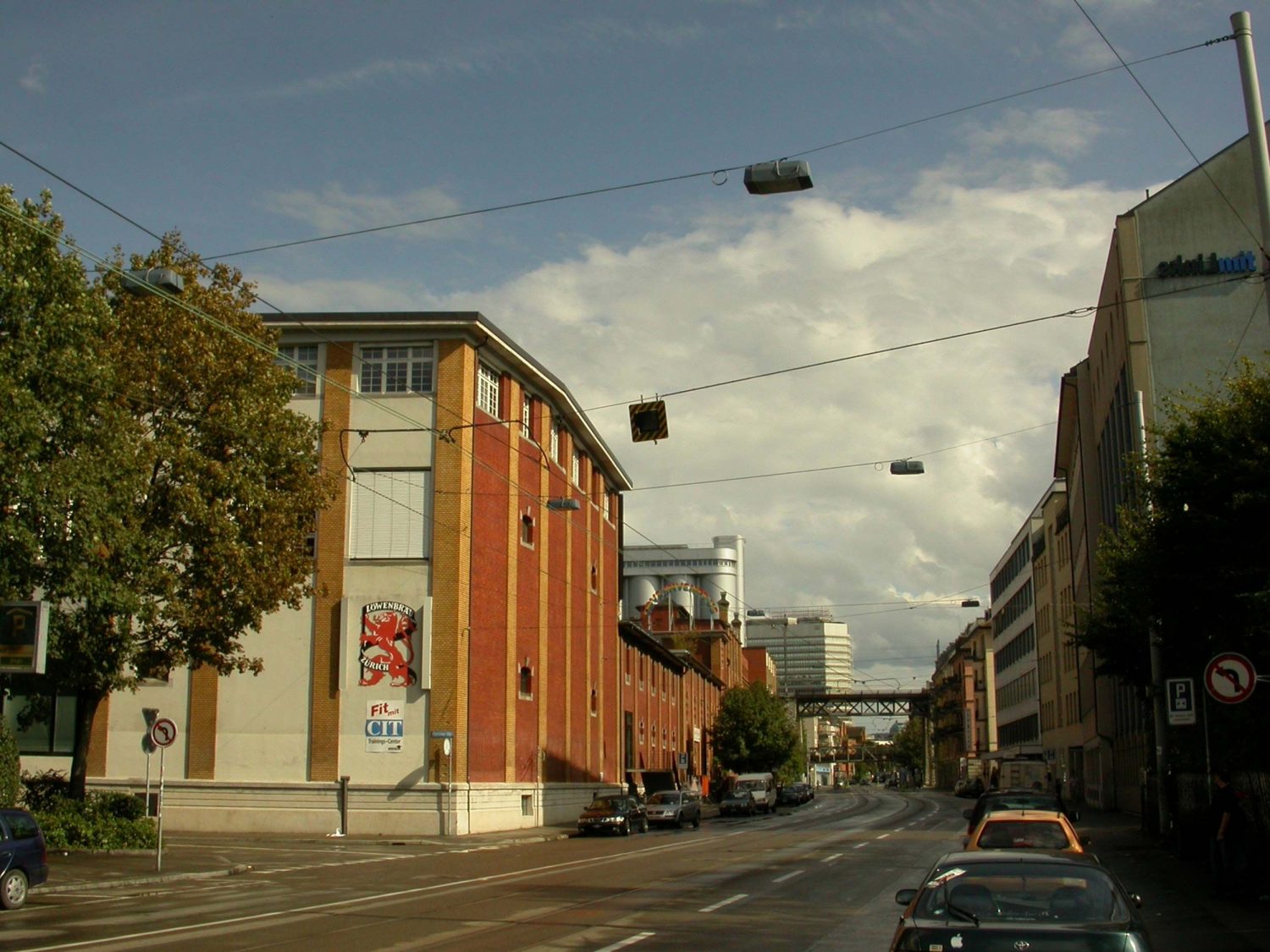
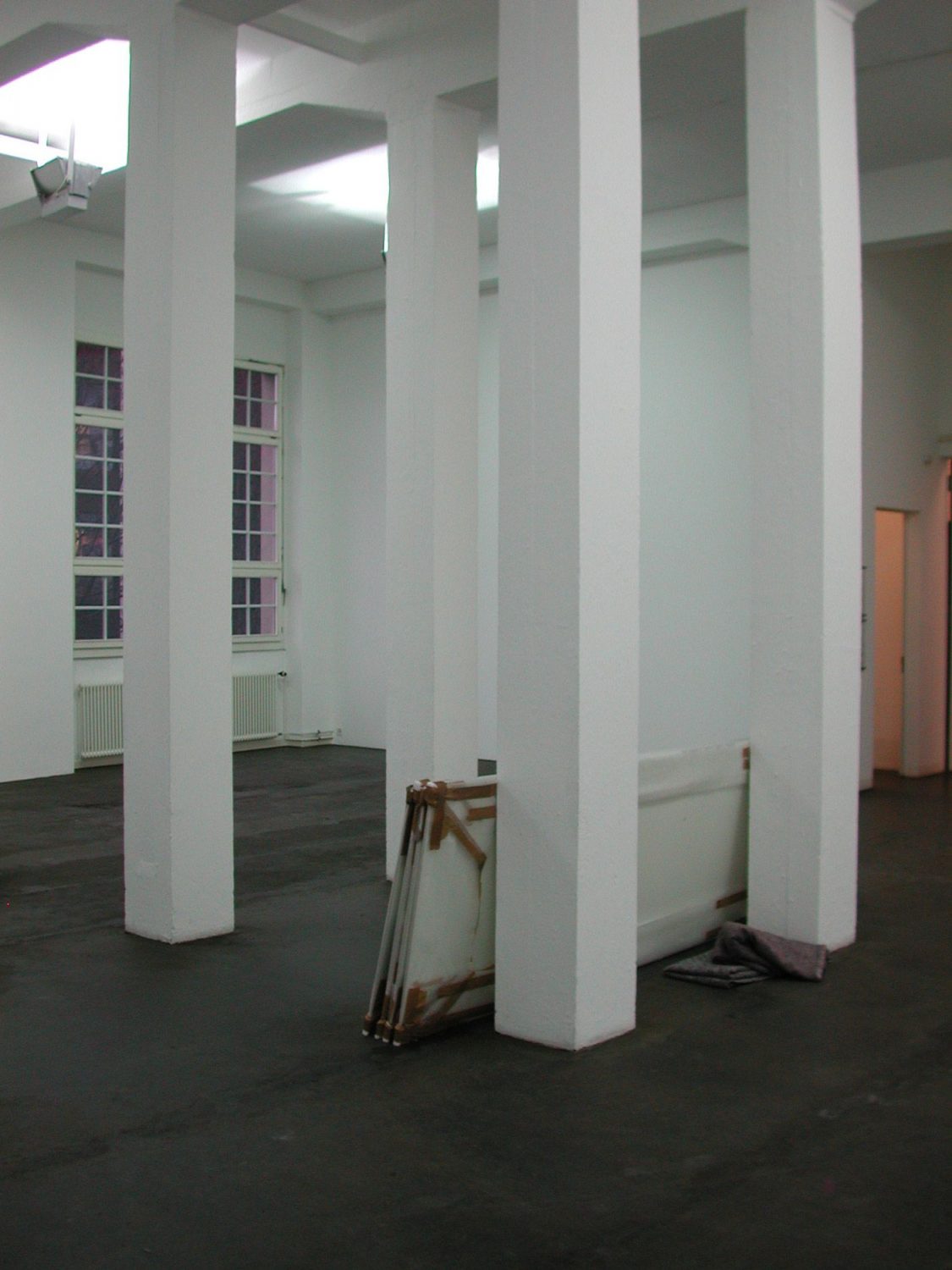
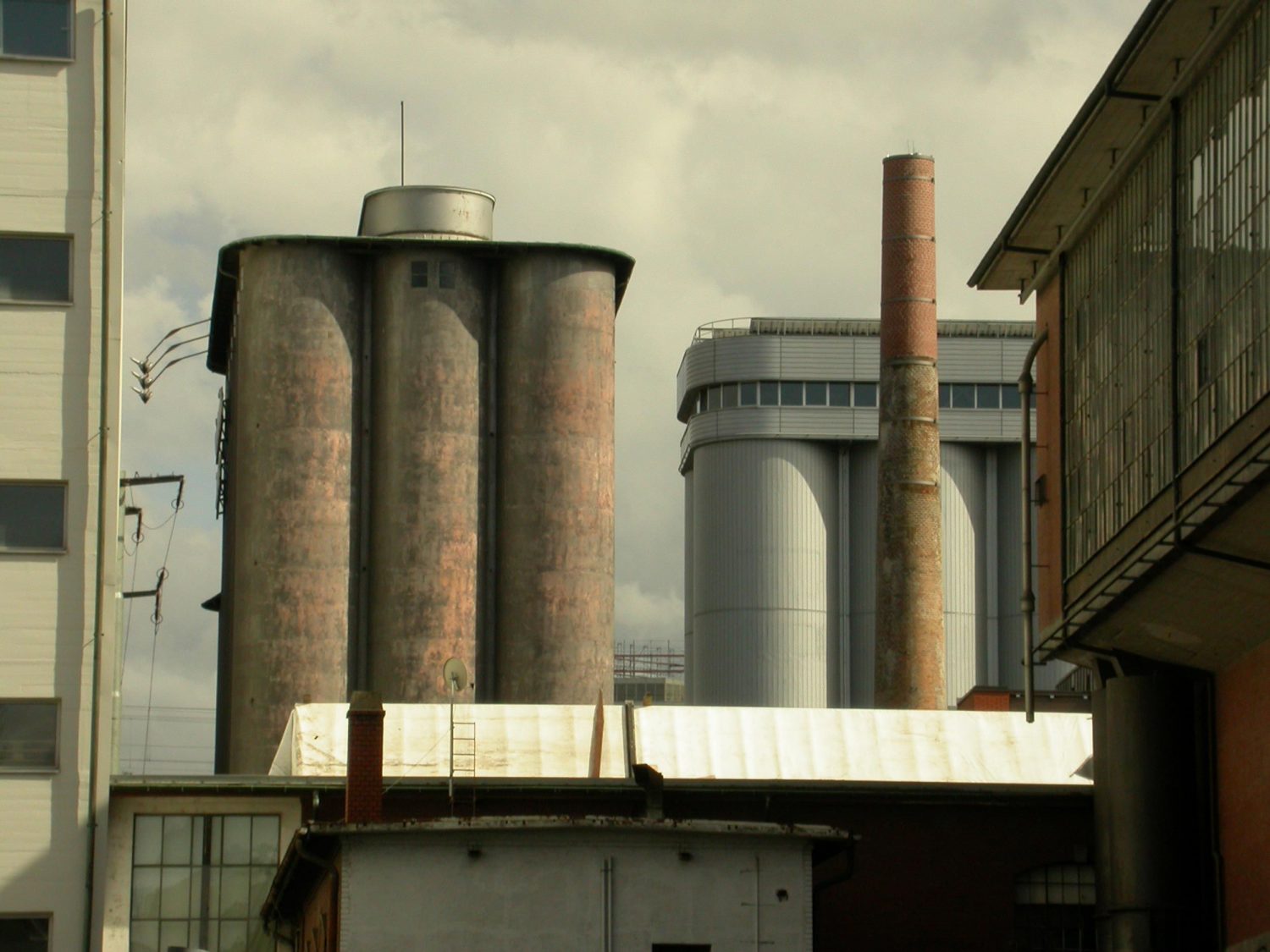
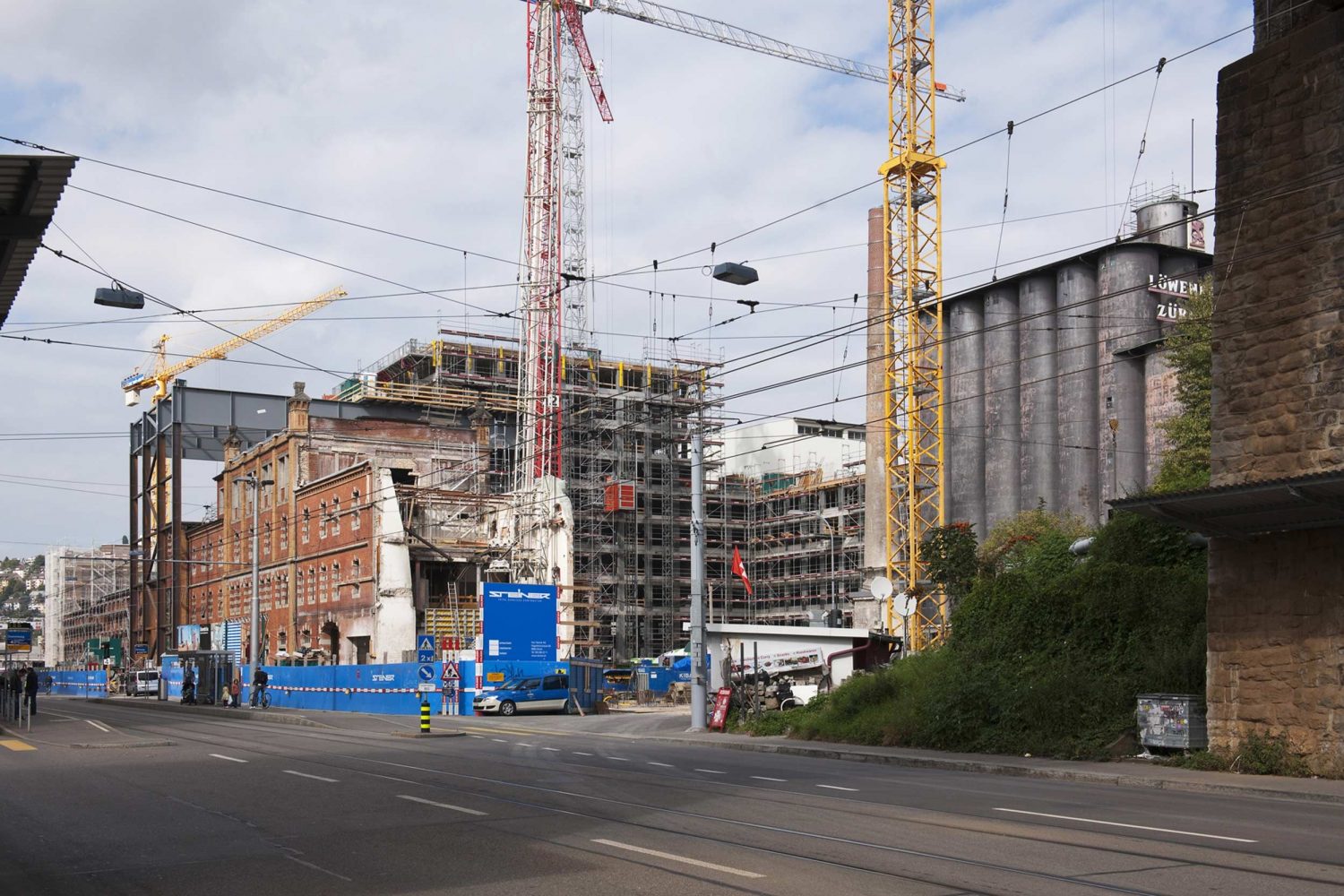
The history of the Löwenbräu complex, a former brewery, is one of frequent remodeling, adding on, and replacing parts of the existing buildings, whereby the change of use from a brewery to an art exhibition and gallery complex in the 1990s marked the crucial turning point. The new project is based on this most recent, successful conversion, while enhancing the variety of uses for this complex with new residential, office, and exhibition spaces. The preservation of the original historical building is an important step toward maintaining the identity of the former industrial district, rendering an important chapter in the city’s history visible.

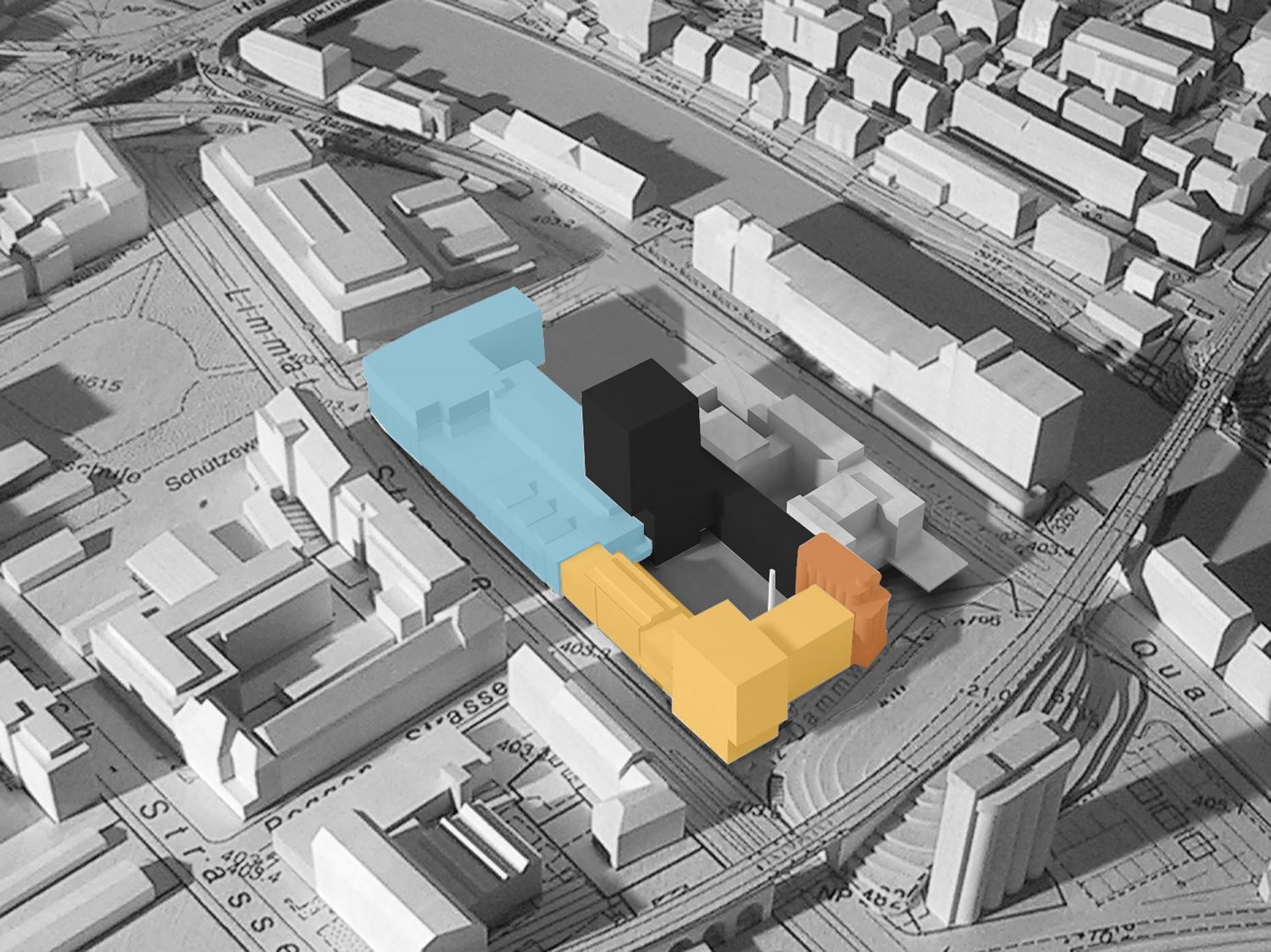
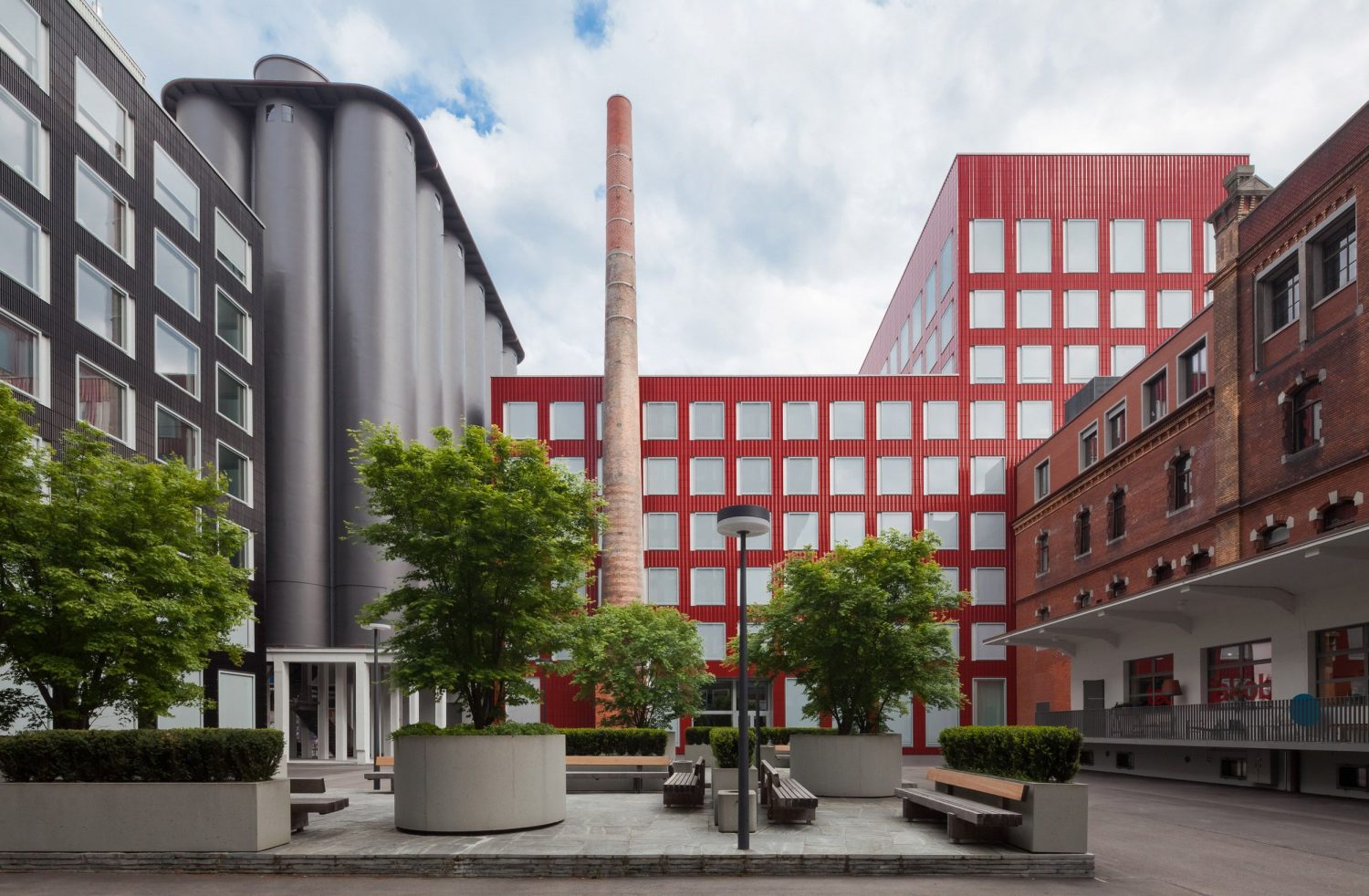
The concept for urban development here focuses on three structural changes in the form of new buildings within the existing complex: the New West Building, to offer additional space for the arts, the New East Office Building, and the Central High-Rise Residential Building. Together with the steel tower and the Swiss Mill silos, the high-rise residential building redefines the site’s silhouette and—to a certain extent—even that of the city.
By adding buildings to the existing complex, a new urban ensemble can evolve—with the Central High-Rise Residential Building forming the focal point. The elongated, older structures with the former main brewery building on Limmatstrasse are framed by the addition of a further level on top of the Arts Center in the west and by the taller New East Office Building at the opposite end near the railway viaduct.
The new Löwenbräu complex is now to be seen not just from the street and from a distance, but also from its two courtyards. The former Brewer’s Yard - a listed historical site - provides access to the surrounding buildings as well as being a traffic-free outside space for relaxation. The new entrance to the art institutions is located in the open Art Courtyard, which also includes parking spaces for visitors and a delivery entrance.
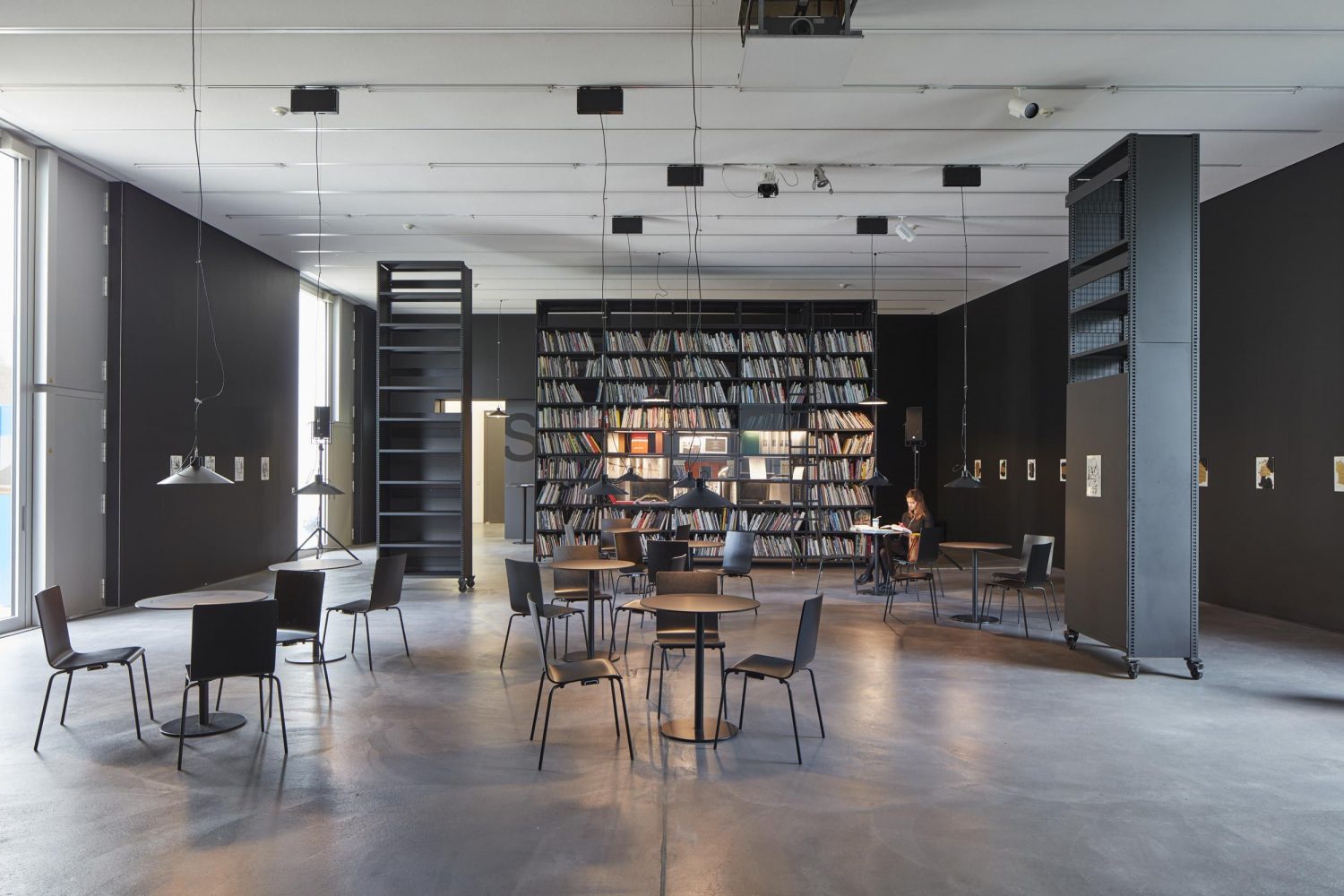
Together with the entrance area to the art section and the additional story at this end of the complex, the New West Building projects at right angles and adjoins the former workshops on the courtyard side. It includes art exhibition rooms, guest accommodations, and offices. The exhibition spaces and a multi-function room can be partitioned as required. They are lit by side windows and are accessed directly from the entrance area to the art section. This entrance area has been conceived as a new, generously proportioned foyer with a staircase and elevators. The staircase is directly accessible from the lobby, which can be entered from Limmatstrasse or the courtyard.
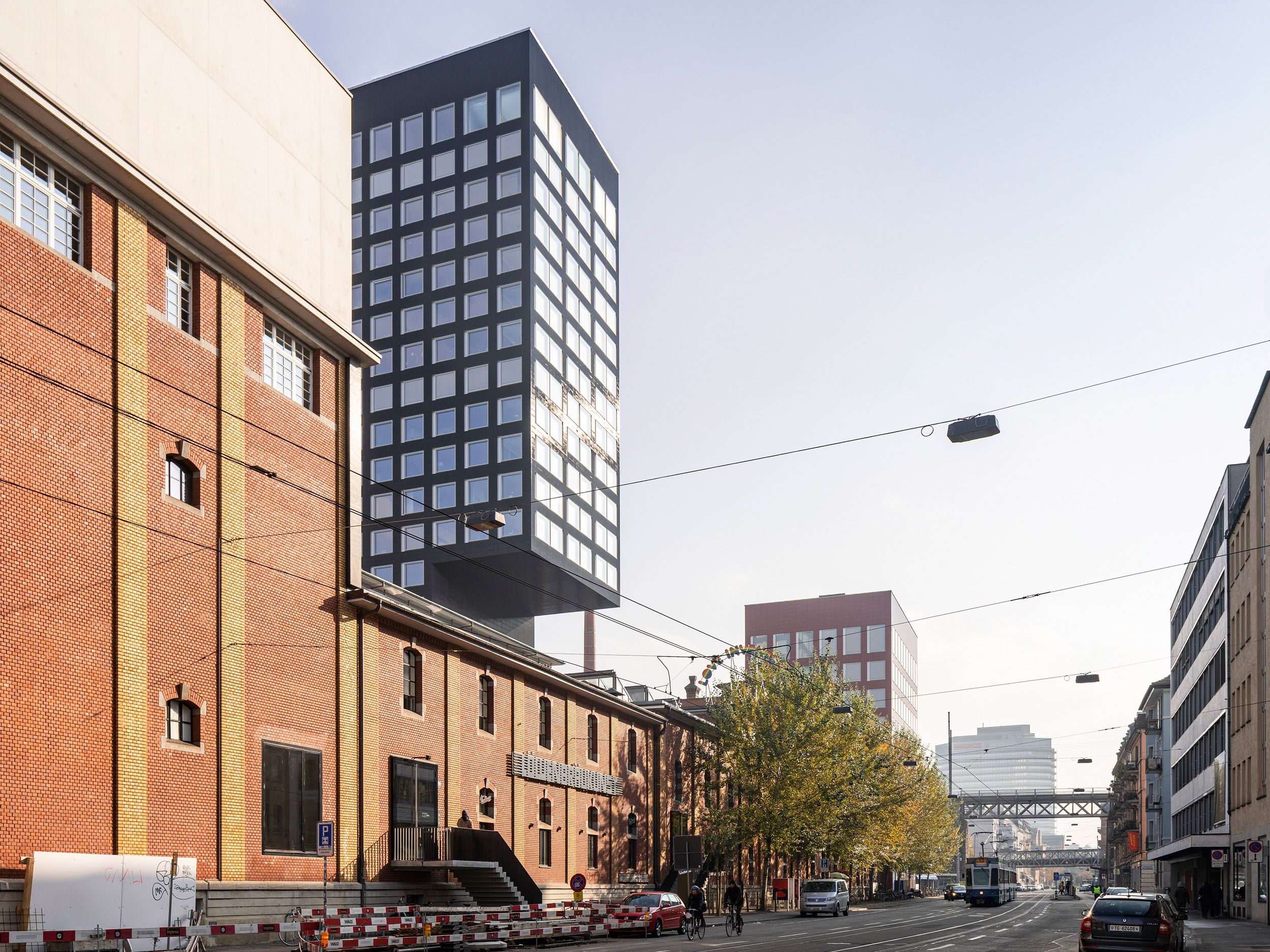
The Central High-Rise Residential Building, with its large projection to the south, houses 37 apartments, one to four on each floor, which all face in several directions, affording views of the city, the lake, and the Limmat valley. The main volume of the high-rise is cantilevered out over a narrower base set in the Brewer’s Yard. The 21 apartments in the base face southward onto the quiet courtyard. Service facilities are housed on the ground floor, in addition to a passageway between the two courtyards and the lobbies.
The New East Office Building is also an angled structure with a higher section on Limmatstrasse and a lower segment between Dammweg and the Brewer’s Yard. On the ground floor, the entrance lobby to the offices is located under the projection, whereas the gallery and retail spaces are accessed via the courtyard. The varied widths of the rooms on the upper office floors enable them to be adapted to suit a range of different office constellations. The façades of the Central High-Rise Residential Building and the New East Office Building are clad in molded ceramic elements with black and red glazed finishes that refer to the colored brickwork of the existing buildings. Double aluminum windows with additional ventilation slits consist of an external pane of plain glass and an inner pane of insulation glass with blinds in between. Turn-and-tilt-lift windows, custom-designed for the tower, can slide all the way up to the ceiling to invite the outdoors inside on a sunny day.
The tower rises up above the row of various old and new buildings along Limmatstrasse as a dark, shimmering volume. The walls form grid patterns whose ceramic surfaces stand out from or merge with the window areas depending on the light, presenting a changing face to the city.
The red New East Office Building picks up on the fundamental character of the old buildings not only with regard to the materials used, but also in its coloration. The wavy structure, the gleaming materials, and the alignment of the windows, however, anchor the building firmly in the present.
The New West Building has been designed as a homogeneous, white concrete structure, insulated on the inside. The art spaces are equipped with box windows. While the new and old sections of this building are interwoven closely here in terms of their volumes and use, the material finish chosen for the addition sets it apart from the existing structure. A new ensemble is created that enables the expansive dimensions of the new volume to be clearly read and signals the presence of the arts within the complex.

Location Zurich, Switzerland

Programme Conversion and extension of a former, partly listed brewery; museums, galleries, event hall, studios, shop areas, 58 apartments 2.5–5.5 rooms (21 courtyard apartments, 37 tower apartments), new office building, storage areas, underground parking

Competition 2003, two ex aequo 1st Prizes: Gigon/Guyer and Atelier WW Architekten

Planning/Construction 2005–2014

Client PSP Properties AG

Gross Floor Area 48‘328 m2

Team GG Collaborators Competition:
Gigon/Guyer: Volker Mencke
Atelier WW: Martin Danz
Planning/Execution:
Mitarbeit Gigon/Guyer:
Mike Guyer, Christian Maggioni, Volker Mencke (Planning-/ Team Manager), Bettina Gerhold, Daniel Friedmann, Reto Killer, Kathrin Sindelar, Damien Andenmatten, Yvonne Grunwald, Alex Zeller, Pieter Rabijns

Total Contractor Steiner AG, Zurich

Landscape Architecture Schweingruber Zulauf Landschaftsarchitekten, Zurich

Structural Engineer Consortium Dr. Lüchinger + Meyer Bauingenieure AG, Zurich Henauer Gugler AG, Zurich

Electrical Engineer Planning/Submission: Schneider Engineering + Partner Zürich AG, Zurich
Execution: Mosimann & Partner, Zurich; Schmidiger + Rosasco, Zurich

Building Services Engineer Gruenberg + Partner AG, Zurich

Building Physics Engineer braune roth ag, Binz

Fire Safety Makiol + Wiederkehr Dipl. Holzbau-Ingenieure HTL/SISH Beinwil am See

Facade Planning/Submission: gkp fassadentechnik ag, Aadorf
Execution: Josef Gartner GmbH, Gundelfingen

Signage Integral Ruedi Baur, Zurich
Remodeling Entrance: Teo Schifferli, Zurich
Signito, Zurich

Colours Harald F. Müller, Öhningen, Germany

Photos Löwenbräukunst, Remodeling Entrance: © Roman Keller
© Thies Wachter
© Shinkenchiku-sha, Tokyo
Kunsthalle Zürich exhibitions: © Stefan Altenburger Photography
Luma Westbau Schwarzescafé: with kind permission Luma Westbau | Luma Stiftung © Stefan Altenburger
Courtyard apartment: © Laura Egger
© Christian Scholz
Construction site: © Thomas Zwyssig

Arts Centre

Residential high-rise

Brewery Main Building

New Office Building East

History

Kunst-Depot, Henze & Ketterer Gallery

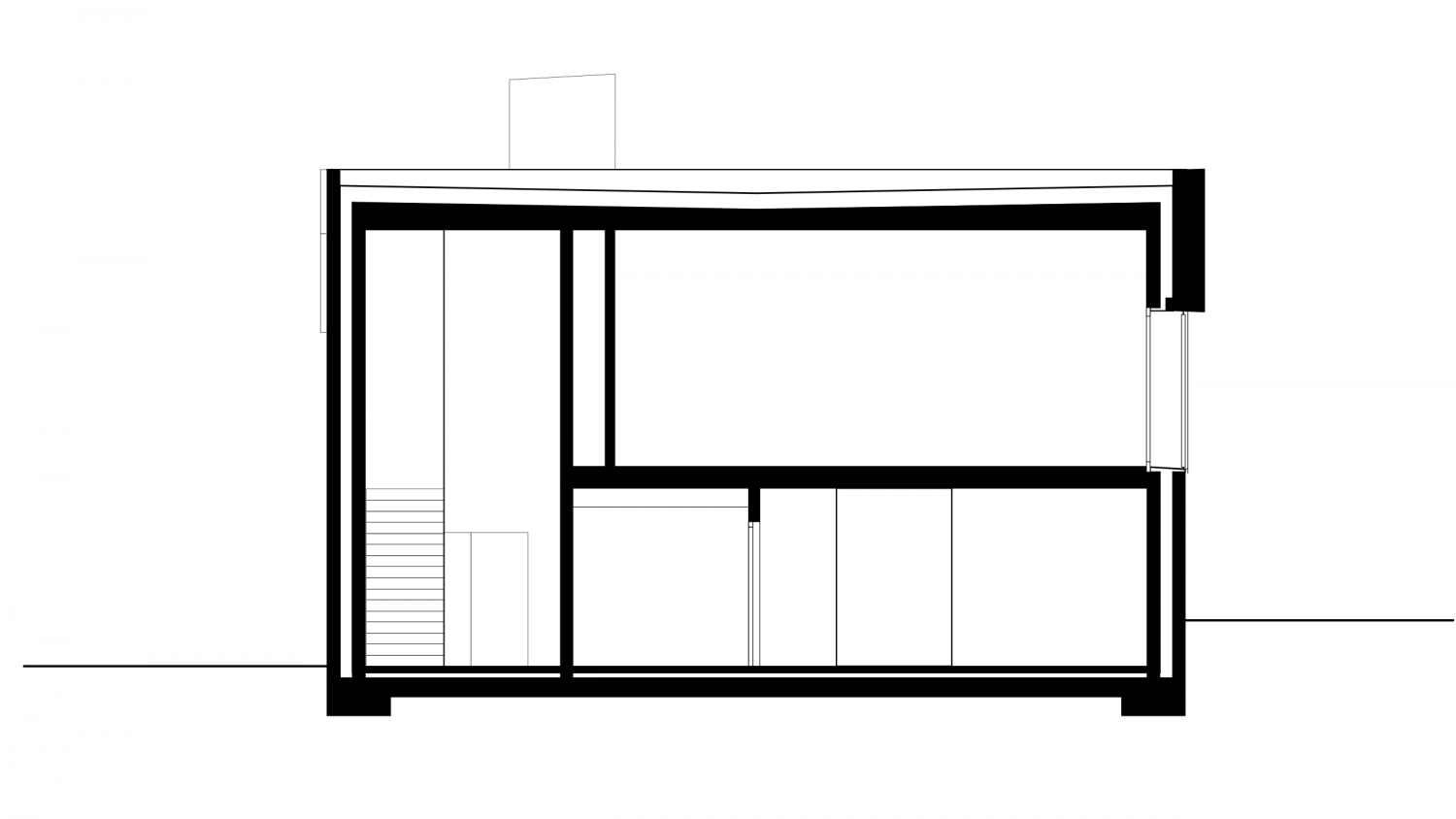
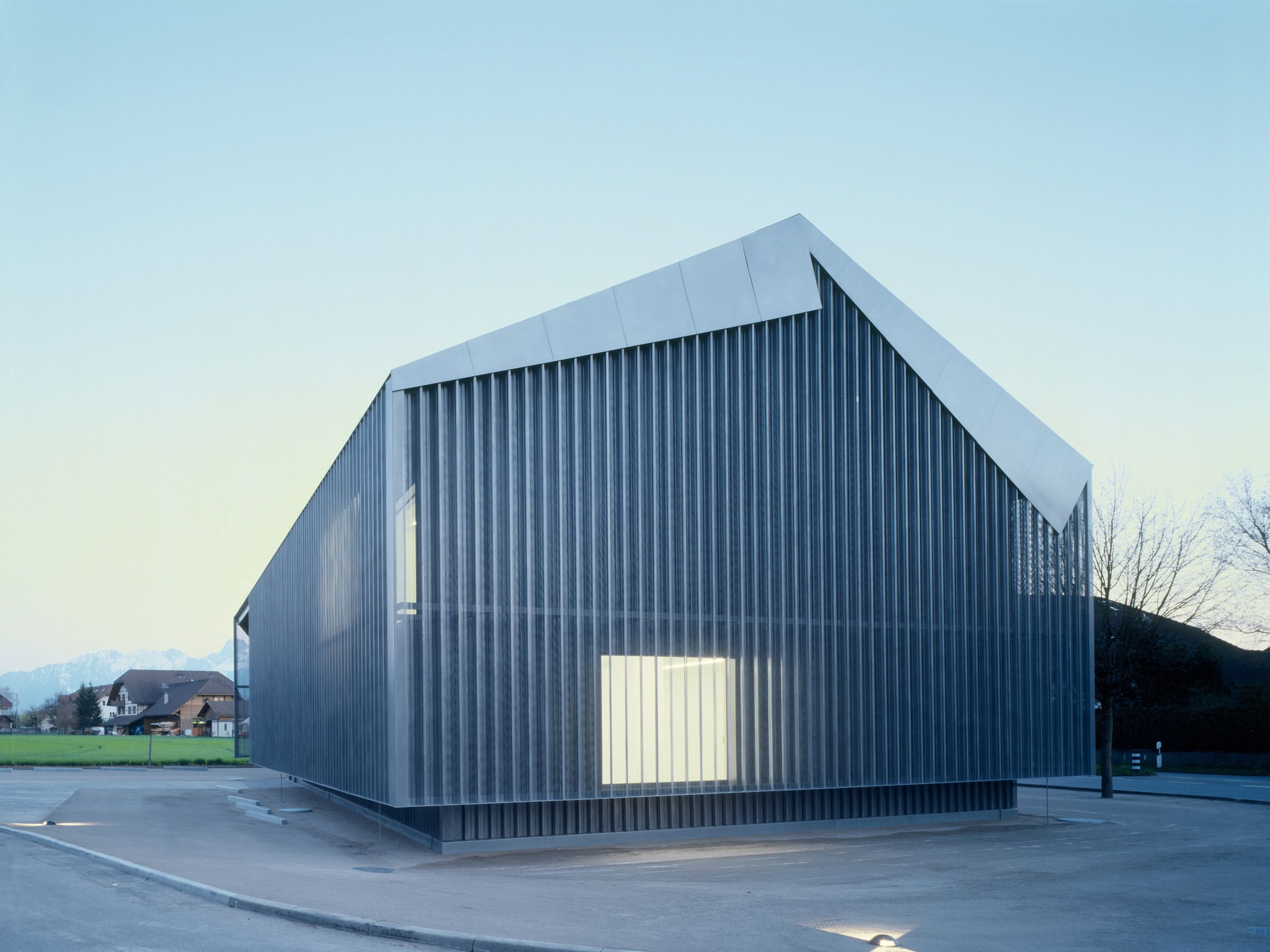
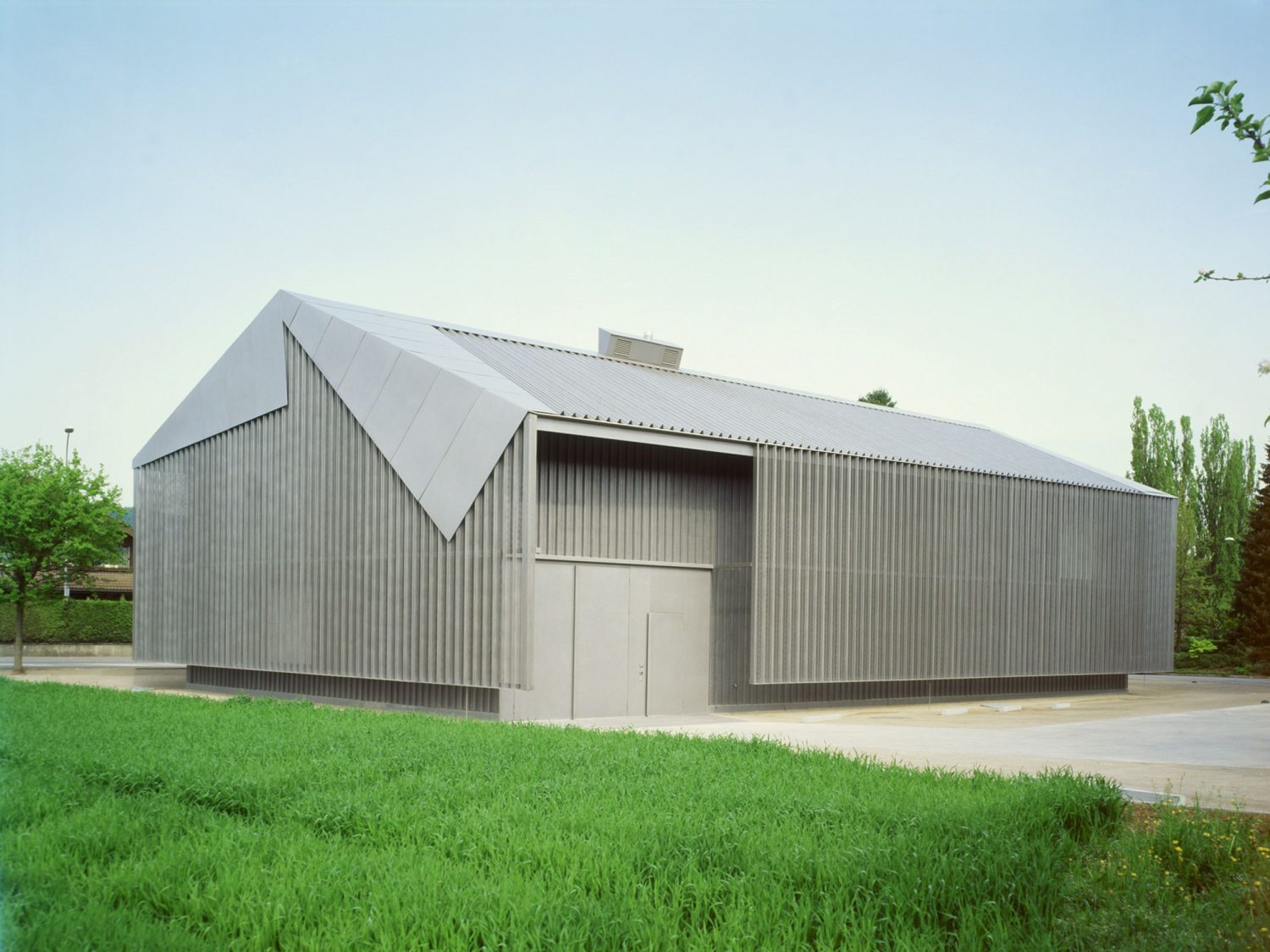
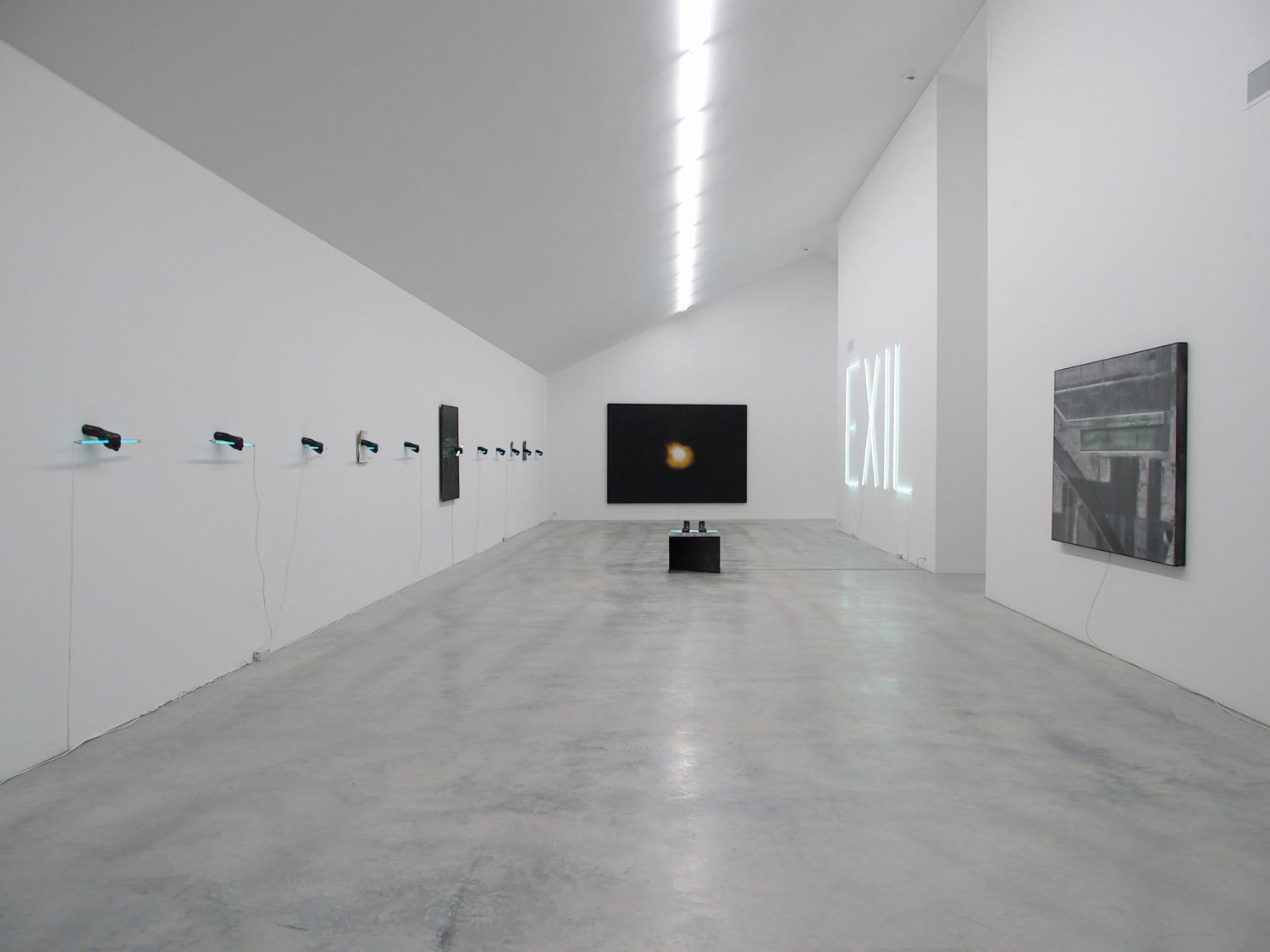
The Kunst-Depot built for the Henze & Ketterer Gallery is designed to provide storage space for works of art while also functioning as a showroom: a showroom not only for clients who wish to look at a work that is not currently on display in the nearby gallery, but also a space that can be used for the presentation of contemporary art. The two floors above ground allow for all three types of use, although initially mainly the top floor will be used as gallery space.

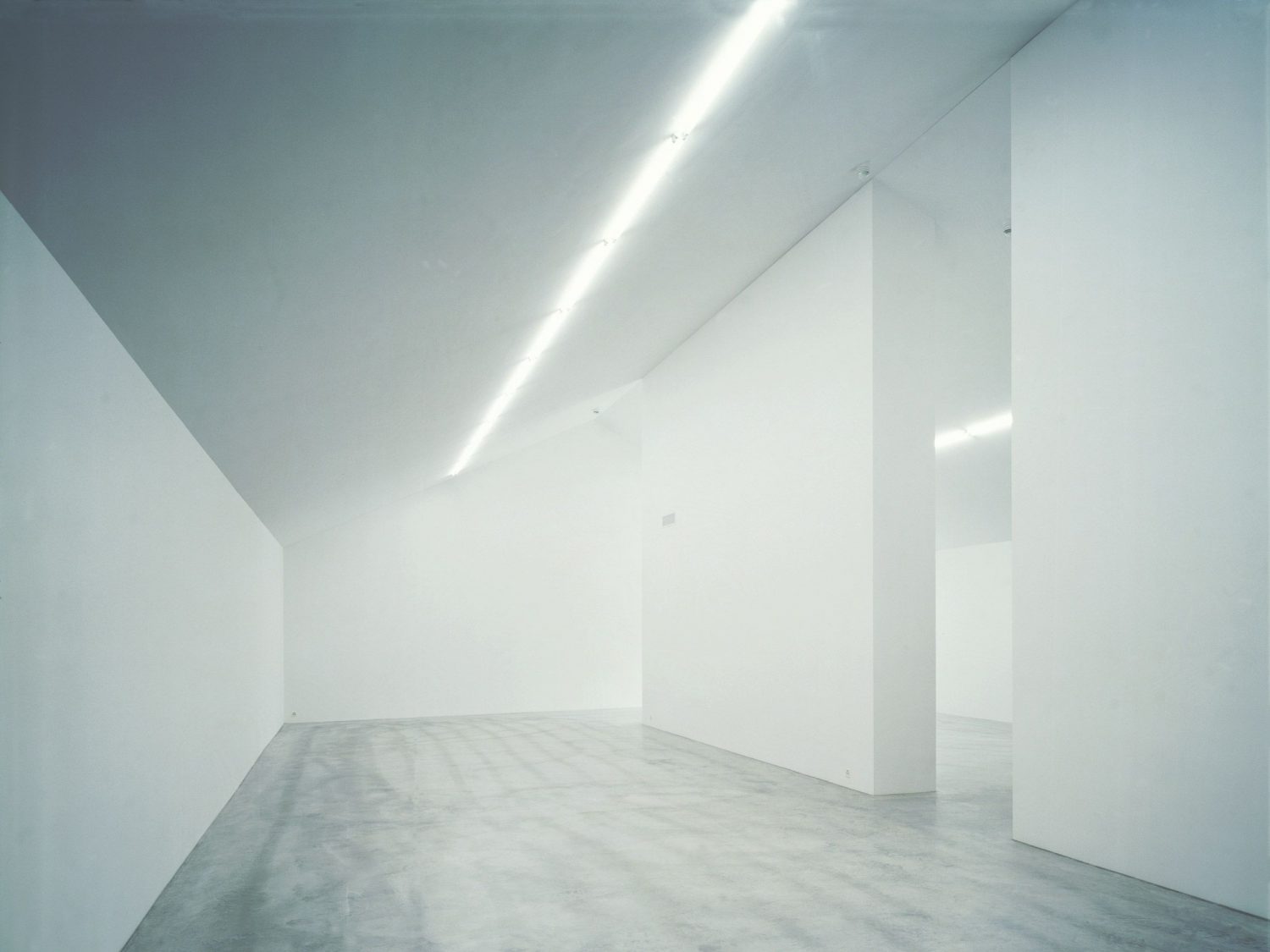
The plan is not subdivided. It is structured only by the staircase with adjoining sanitary block and kitchen facilities, and also by a central load-bearing service wall. Two windows on the ground floor and two on the top floor allow daylight viewing of the works, as well as providing a view of the surroundings.

To minimize the risk of water damage to the artworks, only air is used for heating and humidity control. And to ensure a stable climate inside the Kunst-Depot, the insulation and mass of the brick-and-concrete load-bearing structure were maximized: even the roof is made of concrete.

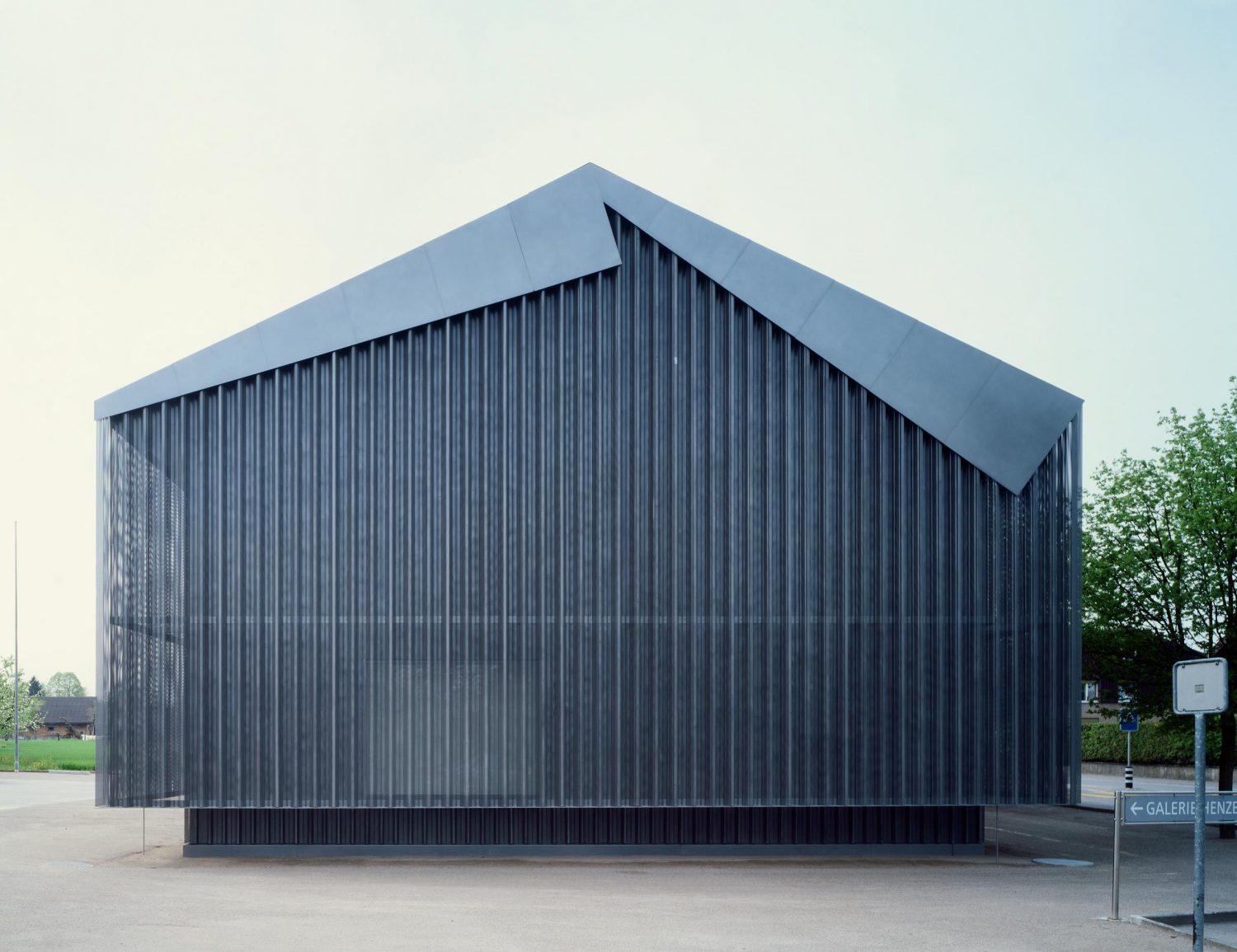
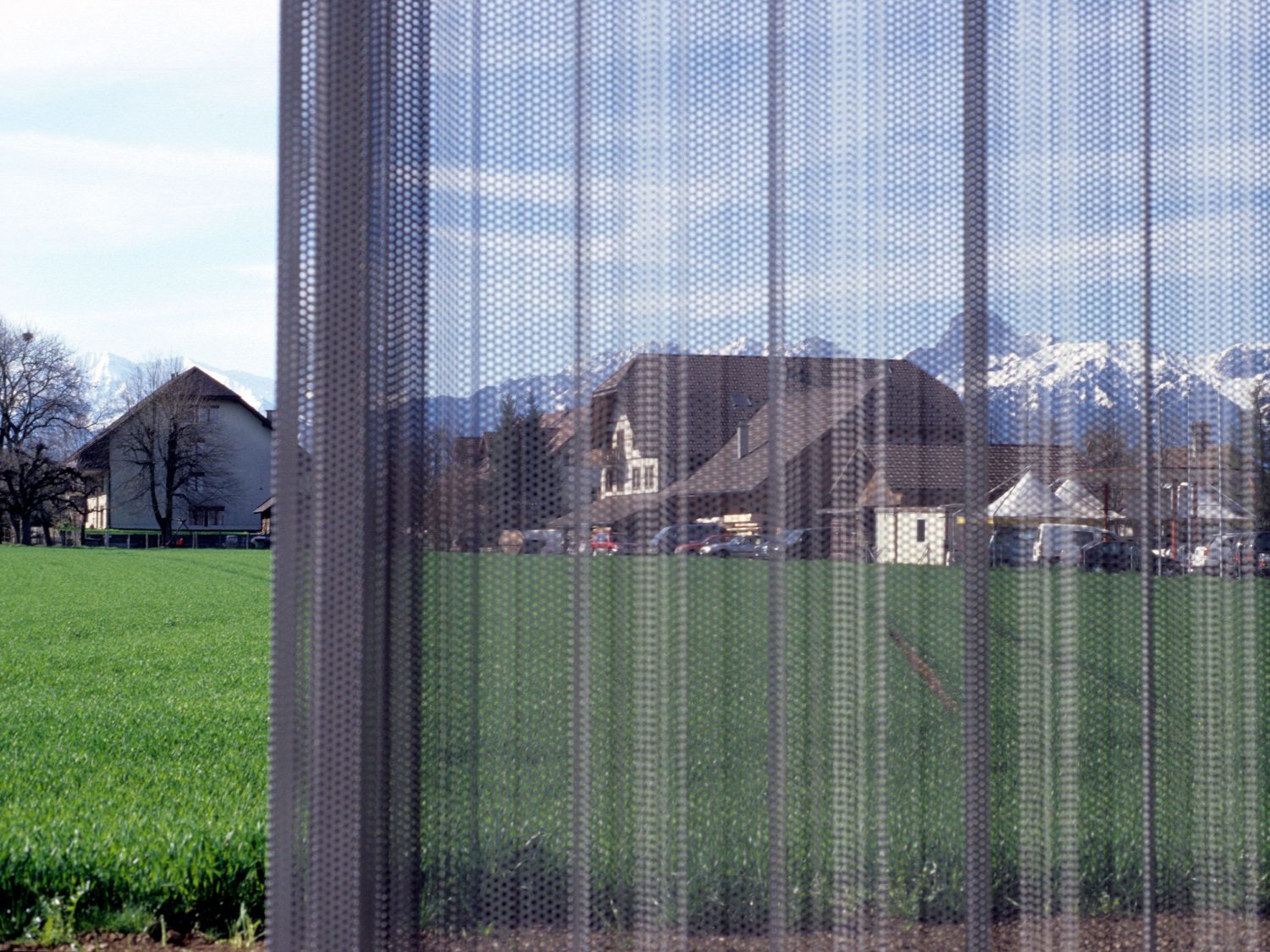
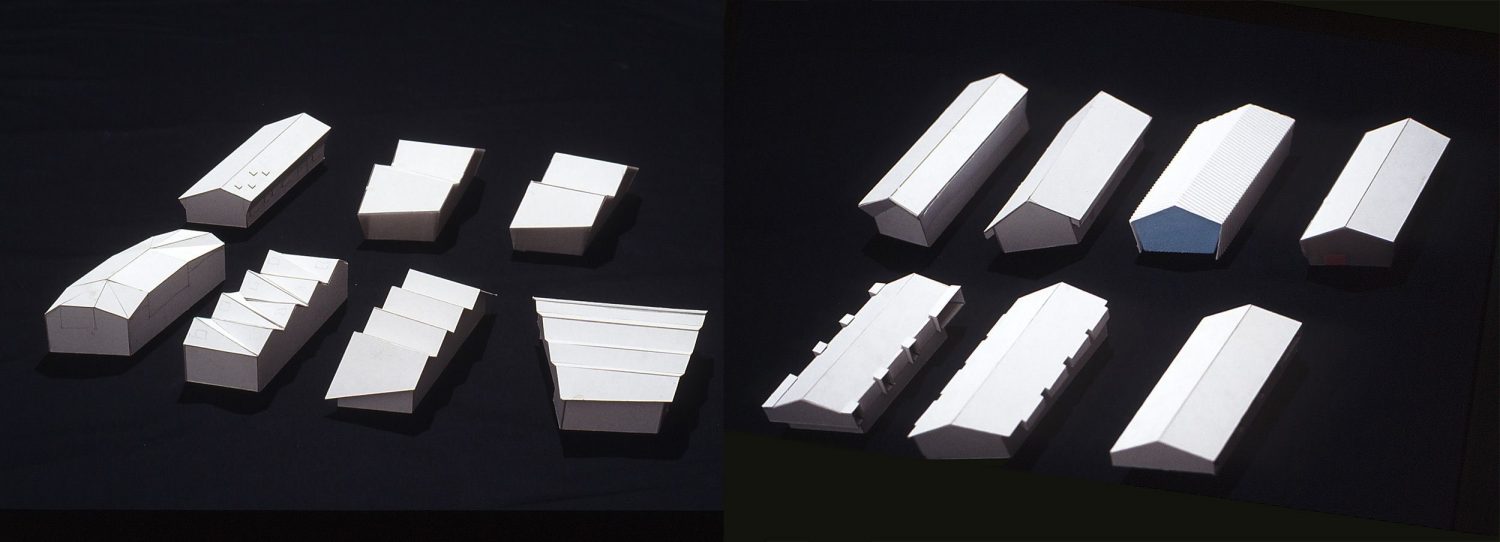
Both the roof and façades are clad in ‘Tetra’ metal sheeting, a material commonly used for warehouses. The distinctive look of the building comes from dividing the cladding into two perforated layers. The outer shell is like a curtain wall and functions as a sunscreen. The smooth metal roofing sheets are rectangular, but folded over the edge of the roof at a slant to echo on the façade the irregular, trapezoidal plan of the building.

The plan results from a wish to optimize the space both inside and outside the building within the limits of the bell-shaped plot. The building’s shape responds to the local building code, which calls for a pitched roof and eaves for new buildings located in the historic center of the village to match the imposing style of the traditional surrounding farmhouses.

Location Wichtrach, Switzerland

Programme Exhibition space, art depot, storage rooms

Commission 2002

Planning/Construction 2002–2004

Client Galerie Henze & Ketterer

Gross Floor Area 1‘103 m2

Team GG Esther Righetti (Project Manager)

Site Management Annette Gigon / Mike Guyer Architects, Zurich
Collaborator: Thomas Hochstrasser

Structural Engineer Aerni + Aerni Ingenieure AG, Zurich

Electrical Engineer Elkom Partner AG, Chur

Building Services Engineer 3-Plan Haustechnik AG, Winterthur

Photos © Heinrich Helfenstein

Address Kirchstrasse 26, CH–3114 Wichtrach/Bern

Museums