Office Building Lagerstrasse House, Europaallee

In the immediate vicinity of Zurich’s Main Station, the formerly almost inaccessible infrastructure areas used by the Swiss Post and Swiss Railways are undergoing a decisive transformation. They are becoming part of the urban fabric, with public streets, squares, and courtyards. Four buildings are now arranged to form a perimeter block development between the new Europaallee and Lagerstrasse, surrounding a rectangular public courtyard easily accessible from all four sides.

A special characteristic of this complex is that the buildings were designed by different architects and therefore each has a distinct appearance and interior. Two were conceived by Max Dudler Architects (Buildings Europaallee and Eisgasse), one by David Chipperfield Architects (Freischützgasse Building), and the fourth by Gigon/Guyer Architects (Lagerstrasse Building). What is interesting from a volumetric and urban planning standpoint is the way the four buildings relate to the neighboring structures. Three bridges reach from one volume to the next and therefore allow circuits and connections on all the upper levels, while at the same time creating engaging entry passages.

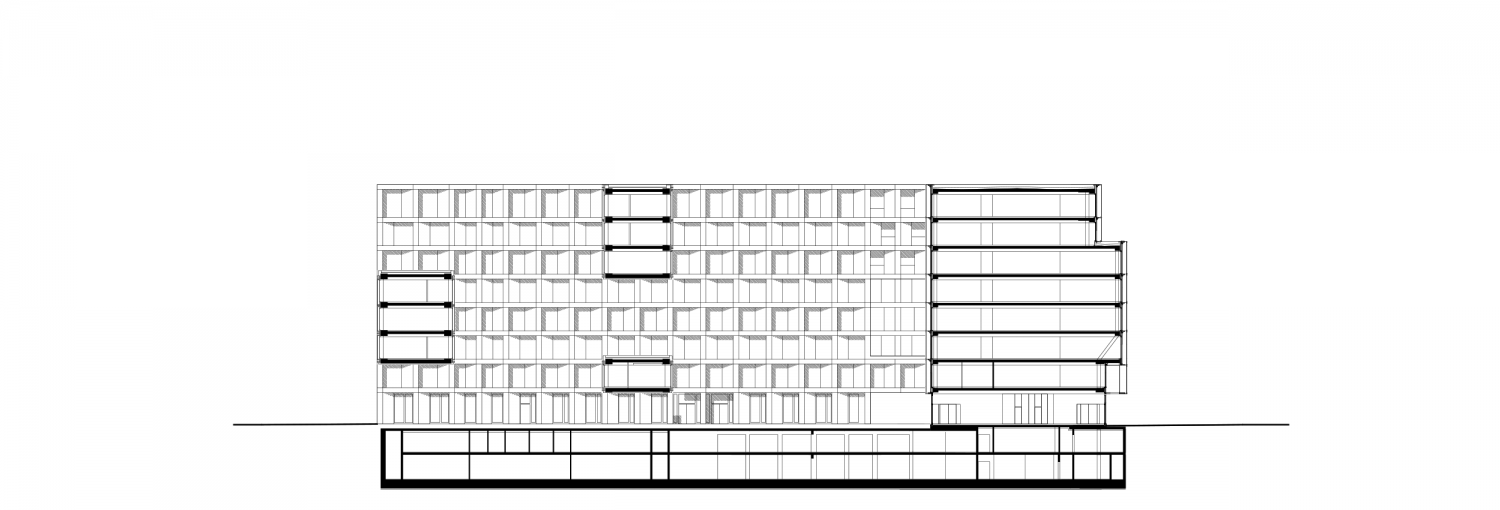
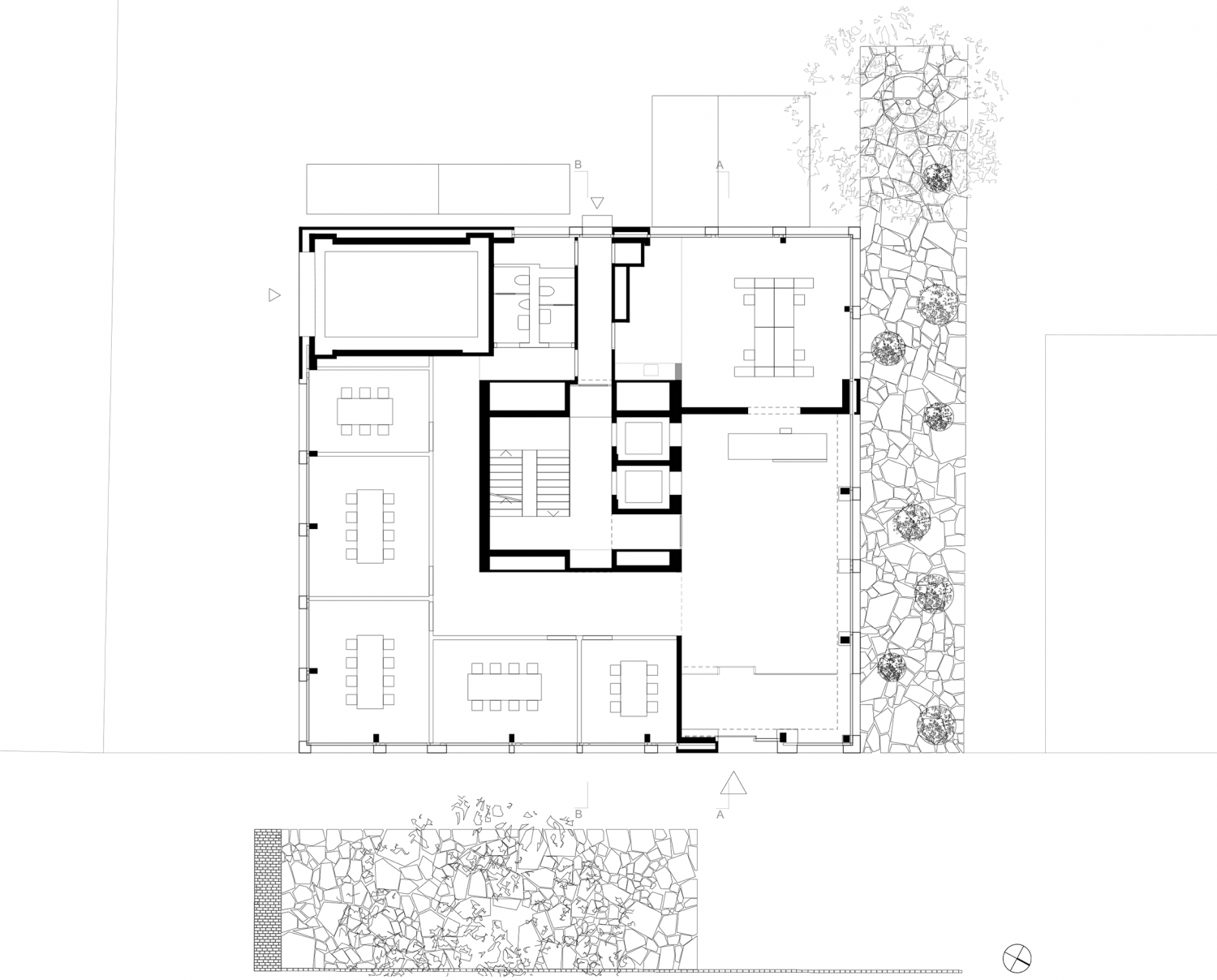
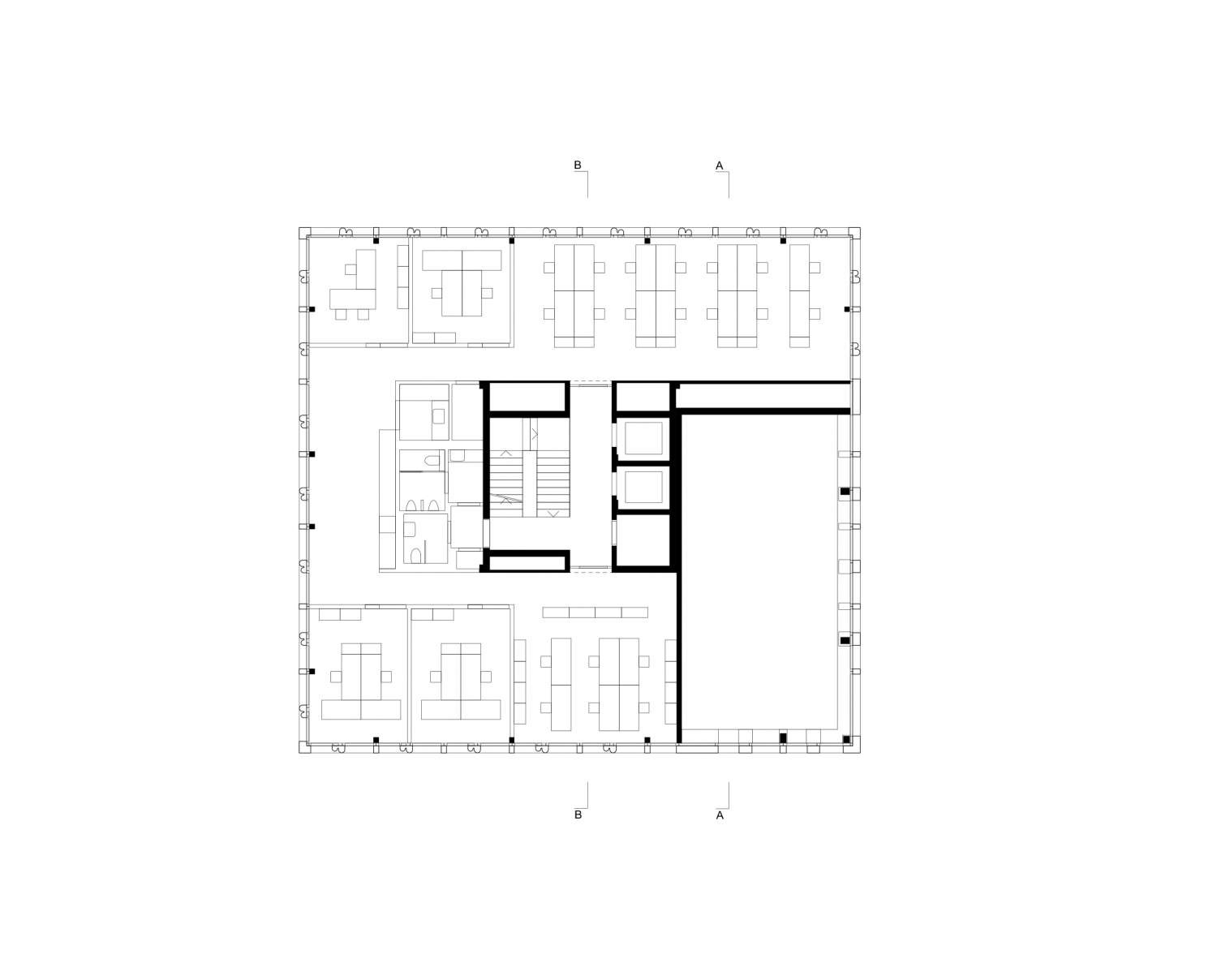
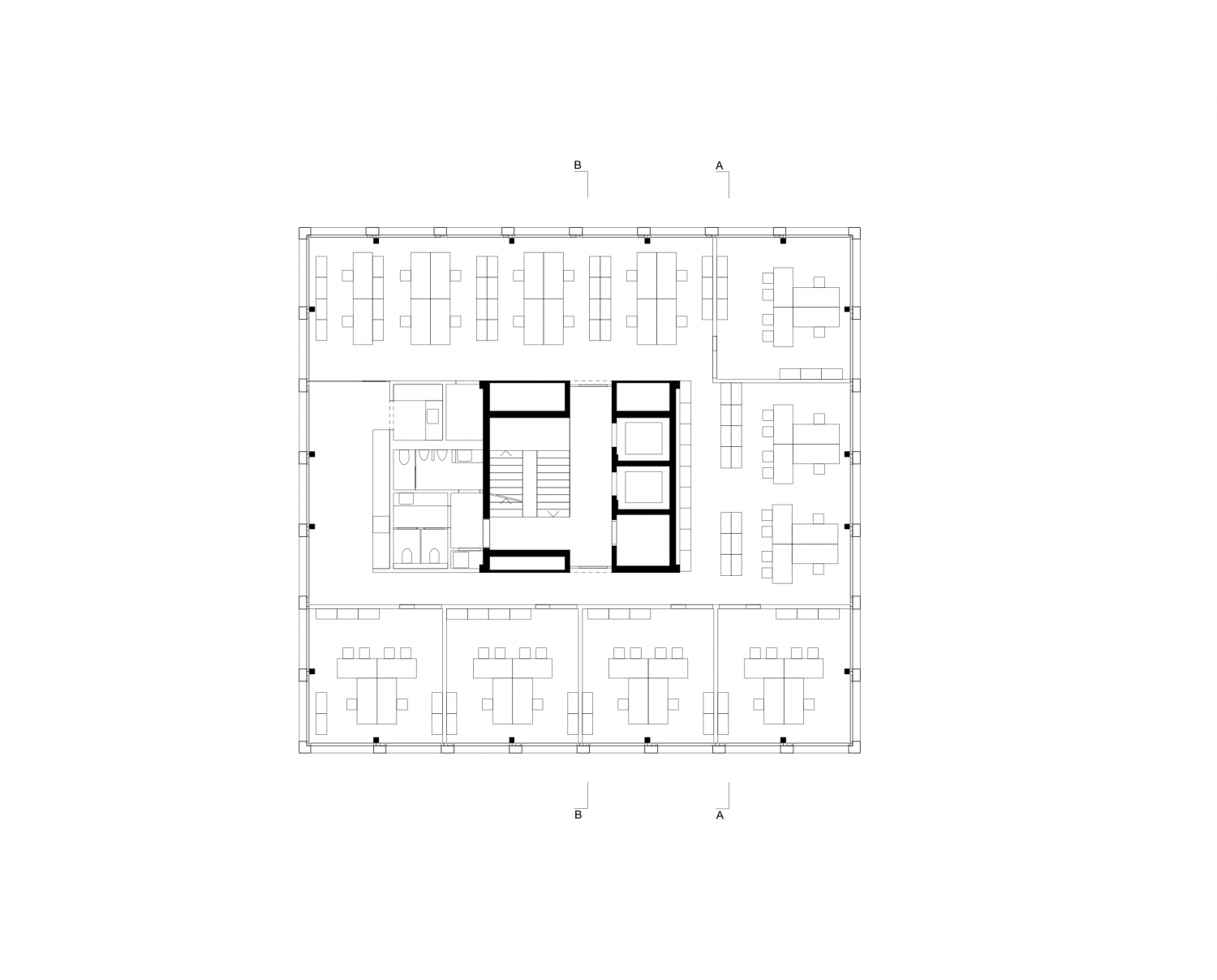
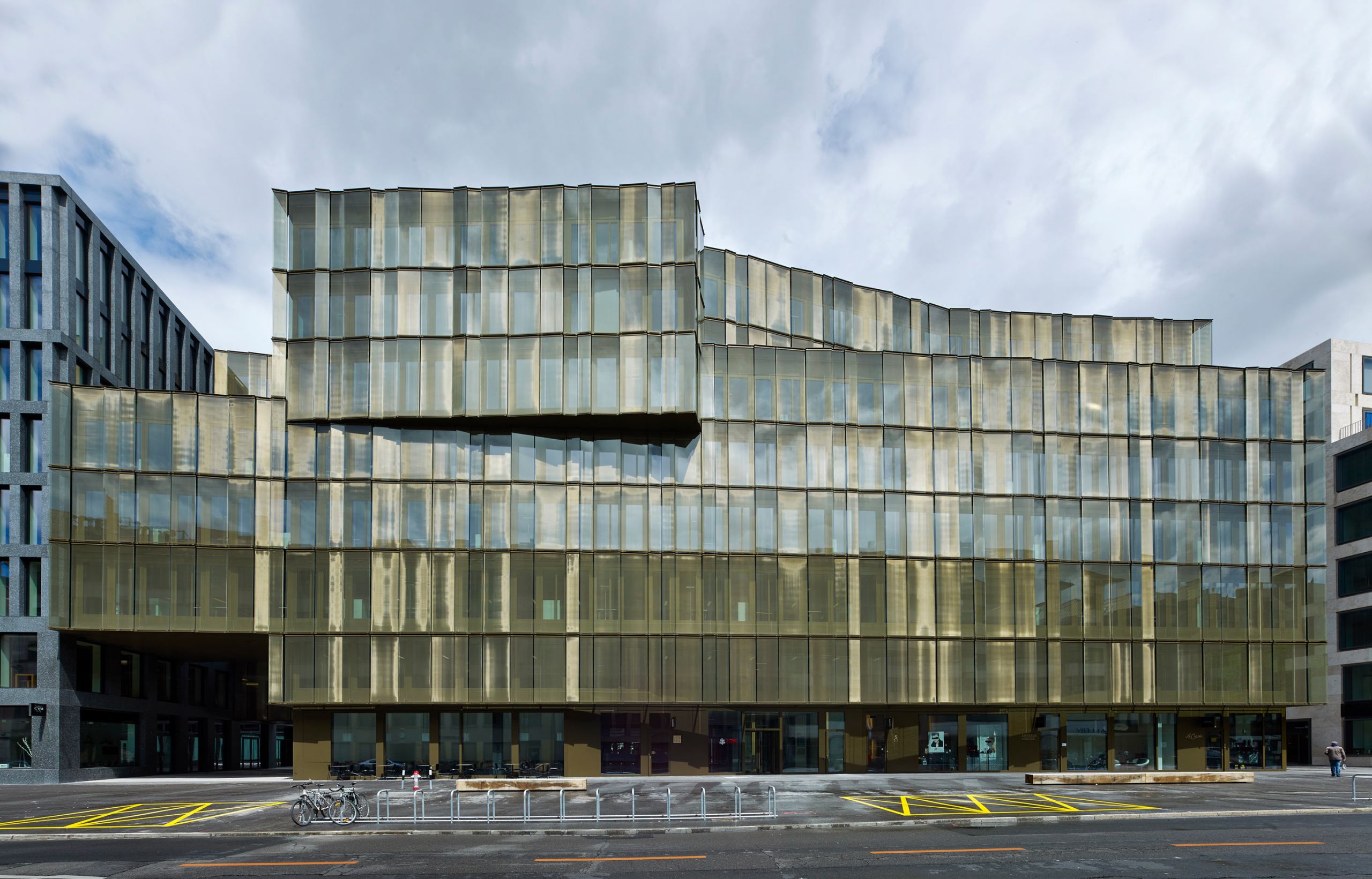
Building Lagerstrasse possesses a multifaceted volume that reacts to the various urban planning requirements, building regulations, and functional specifications and derives from them an unexpected articulation. Located on Lagerstrasse, it is set back from the building line on the first two levels, forming a covered entrance area as well as a welcoming gesture. Recesses and projections on the upper levels modulate the volume, forming the attic story and bridge connections, as well as enlarging the office space.

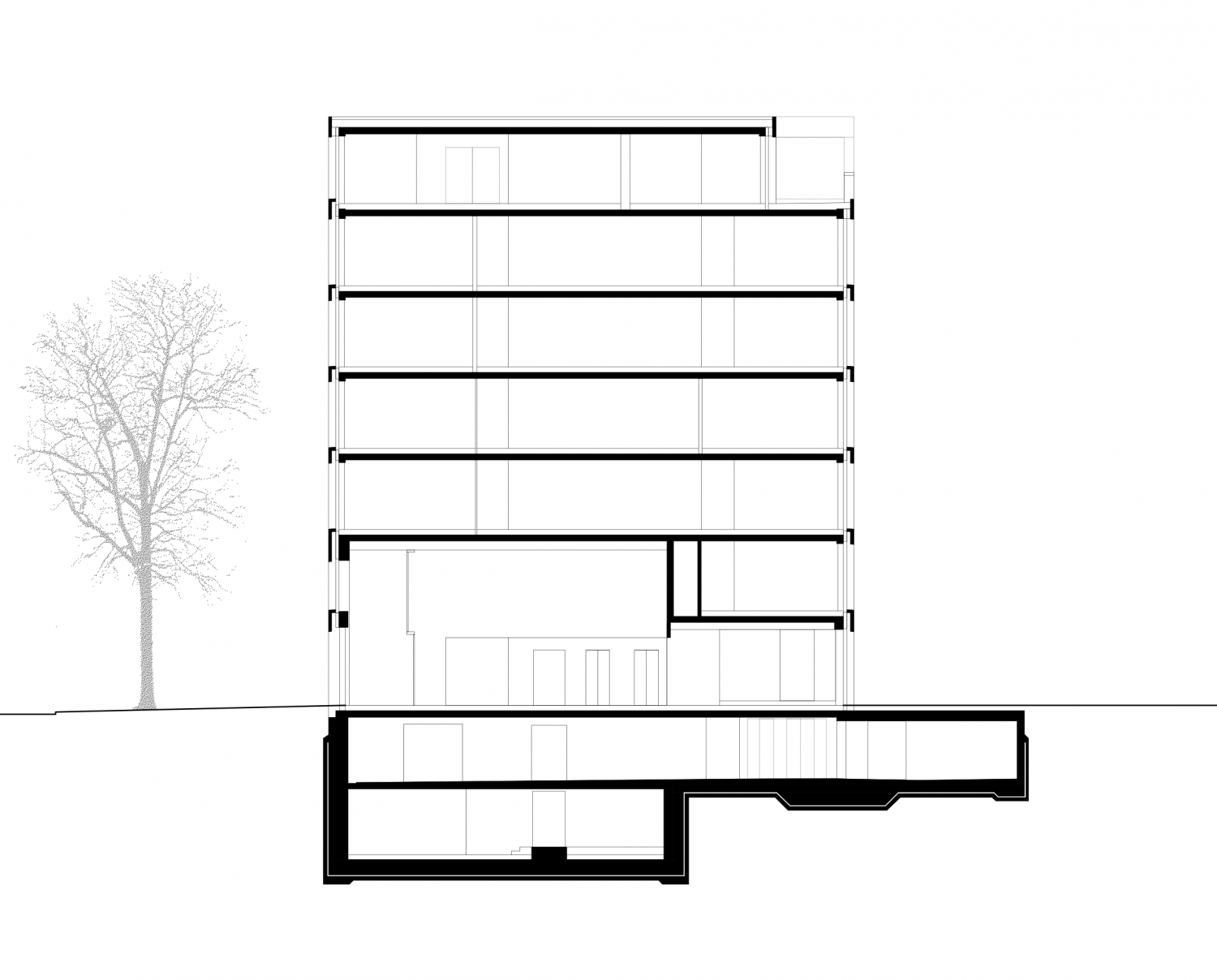
A cafe, retail space, and a generous entrance hall are located on the ground floor. This lobby can be accessed from the street as well as from the courtyard. It provides the main entrance to the office and conference rooms on the seven upper floors. A further access option is offered by a passageway encircling the courtyard on the first floor, which connects the four buildings.

Wide-spanning concrete floors, a minimum of columns, as well as the staircase and elevator cores constitute the load-bearing structure of the building. Concrete was used in refined forms – as terrazzo and cast stone – for the flooring on the ground floor and in the staircases.

The double-layered building skin consists of an inner metal and glass façade with a varied rhythm of glass pane sizes and an outer, ventilated layer of single glazing with metallically shimmering fabric inserts. The outer panes provide noise protection from the street, wind protection for the sunshades and also afford privacy to those inside, without compromising the views from inside the offices. The outer glass panes are arranged at varying angles to each other, generating additional slits for ventilation and, depending on the lighting conditions, a subtle play of different reflections. This lends the impression of a curtain-wall façade – in the truest sense of the word.

Location Zurich, Switzerland

Programme Office buildings containing 2 000 workplaces, Block perimeter building subdivided into four volumes, with public courtyard accessible from four sides, entrance halls, retail and gastronomy use, office space on seven floors, all buildings are interconnected on the upper floors via bridges, with a corridor at first floor level allowing unhindered circulation throughout all four buildings.
Lagerstrasse House: 575 workplaces ground floor with entrance hall, retail space, café

Competition 2006, 2nd Prize

Planning/Construction 2007–2013

Client UBS AG, Zurich
Owners Representative: Beta Projekt Management AG, Zurich

Label Minergie Standard

Gross Floor Area House Lagerstrasse: 13‘680 m2

Competition Organzier Project Development: Schweizerische Bundesbahnen SBB, Bern
and Die Schweizerische Post, Bern

Team GG Annette Gigon, Barbara Schlauri (Team Manager), Urs Meyer (Project Manager from 08/2010), Brigitte Rüdel (Project Manager until 08/2010), Luisa Wittgen, Katharina Löble, Bettina Gerhold, Ingo Brinkmann

Total Contractor Implenia Schweiz AG, Dietlikon

Landscape Architecture Schweingruber Zulauf Landschaftsarchitekten, Zurich

Cost Planning/Scheduling Freiraum Baumanagement, Zurich (until TU-Submission)

Structural Engineer Leonhardt, Andrä und Partner, Berlin, Germany
and Dr. J. Grob & Partner AG, Winterthur

Electrical Engineer Bürgin & Keller Management & Engineering AG, Adliswil
and Thomas Lüem Partner AG, Baar

Building Services Engineer Polke, Ziege, von Moos AG, Zurich

Building Physics Engineer Kopitsis Bauphysik AG, Wohlen

Fire Safety Gruner AG Ingenieure und Planer, Zurich

Acoustical Engineer Kopitsis Bauphysik AG, Wohlen

Lighting Consultant Matí AG Lichtgestaltung, Adliswil

Facade Planning: gkp fassadentechnik ag, Aadorf
Construction: Gig Fassaden GmbH, Attnang-Puchheim, Austria

Door Consultant Amstein + Walthert AG, Zurich

Safety Consultant Amstein + Walthert AG, Zurich

Photos © Stefan Müller

Address Lagerstrasse 20 CH - 8004 Zurich

Office Building Claridenstrasse 35

The new office building of the Balzan Foundation is located in central Zurich, close to Paradeplatz. Like the previous office building from the 1960s, it stands alone, but it is integrated into the existing perimeter block through its placement and size. The façade, articulated by horizontal elements of artificial stone and vertical metal profiles, echoes the inner load-bearing structure of concrete floor slabs and steel composite columns. The publicly accessible ground floor as well as the fourth and the top floor are accentuated by an expanded grid within the façade composition. Visitors are welcomed by a two-storey entrance hall facing the city. In memory of the institution’s founder, terrazzo flooring and sumptuous light fixtures lend the spacious entry Italian «grandezza».

The interior fit-out of the premises for the tenant, an audit and consulting firm, was conceived and created in tandem with the core and shell construction. The layout of the partitions, built-in furnishings and the custom-designed LED lighting are thus an integral part of the architecture.

The structural and energy concept of the building was optimized in order to add another storey within the specified building height, but without sacrificing room height. The loadbearing and bracing core, moderate spans and distances between columns ensure slender ceilings despite the strips of sound-absorbing elements and the pipes of the thermo active component system which are invisibly embedded in them. Ventilation with decentralised façade units and central extraction allows raised floors with minimal thickness. For heating and cooling, the compact building volume is connected to an anergy grid fed with lake water. A photovoltaic system is installed on the roof.

On the outside, the polished concrete of the prefabricated façade elements covering the edges of the floor slabs refers to the terrazzo surfaces of the interior, whereas the vertical profiles of anodized aluminium conceal both the loadbearing columns and the slender, individually operable ventilation flaps. The profiles are rectangular or round, closed or perforated, so that they can be read as both columns and «fresh air ducts».

A spacious forecourt along the street takes the place of the former parking lots. Broken stone slabs with greened gravel joints along with trees and shrubs recall the front yards once common in the erstwhile residential neighbourhood.

Location Zurich, Switzerland

Programme Office building, 7 floors above ground, 2 basement floors of the existing building, two-storey entrance hall, offices, meeting rooms, boardroom, 2 terraces, common room, underground parking with car lift

Competition 2015

Planning/Construction 2015–2018

Client Internationale Balzan Stiftung-Fonds

Gross Floor Area 4‘062 m2

Team GG Planning/Execution: Annette Gigon, Stefan Thommen (Team Manager), Christoph Lay (Project Manager), Cornelia Schmidt (Project Manager tenant fit-out), Lukas Taller, Franziska Bächer
Wettbewerb: Stefan Thommen, Daniela Schadegg, Ivana Beljan

Site Management Ghisleni Partner AG, Rapperswil/ Zurich

Landscape Architecture Schmid Landschaftsarchitekten GmbH, Zurich

Cost Planning/Scheduling Ghisleni Partner AG, Rapperswil/ Zurich

Structural Engineer Dr. Lüchinger + Meyer Bauingenieure AG, Zurich

Electrical Engineer Amstein+Walthert AG, Zurich

Building Physics Engineer BAKUS Bauphysik & Akustik GmbH, Zurich

MSRL Amstein+Walthert AG, Zurich

Heating/Cooling Amstein+Walthert AG, Zurich

Ventilation Engineer Amstein+Walthert AG, Zurich

Acoustical Engineer BAKUS Bauphysik & Akustik GmbH, Zurich

Facade gkp fassadentechnik ag, Aadorf

Traffic Engineer Enz Partner GmbH, Zürich

Photos © Roman Keller

Löwenbräu-Areal – Arts Centre, Residential Tower and Office Building

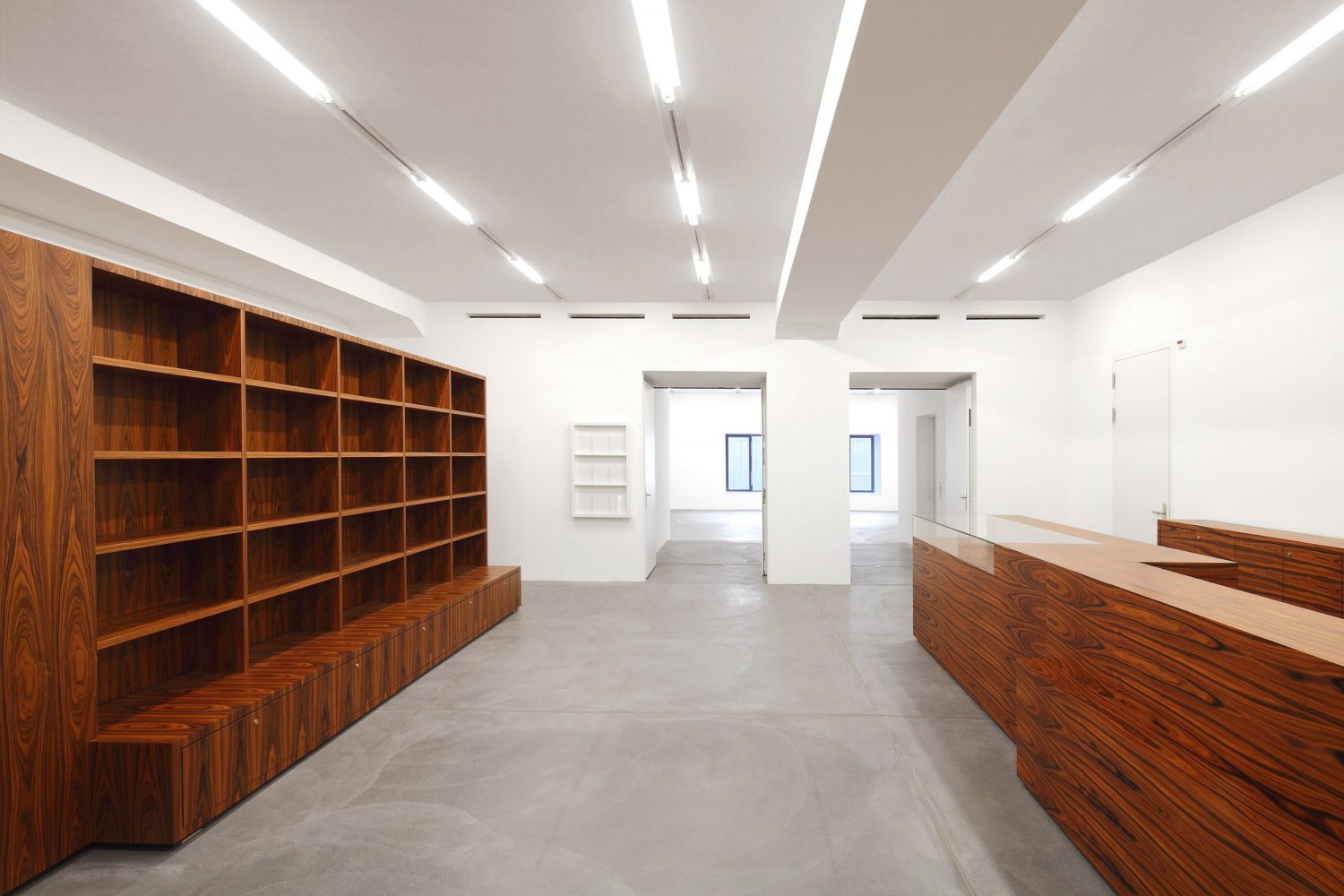
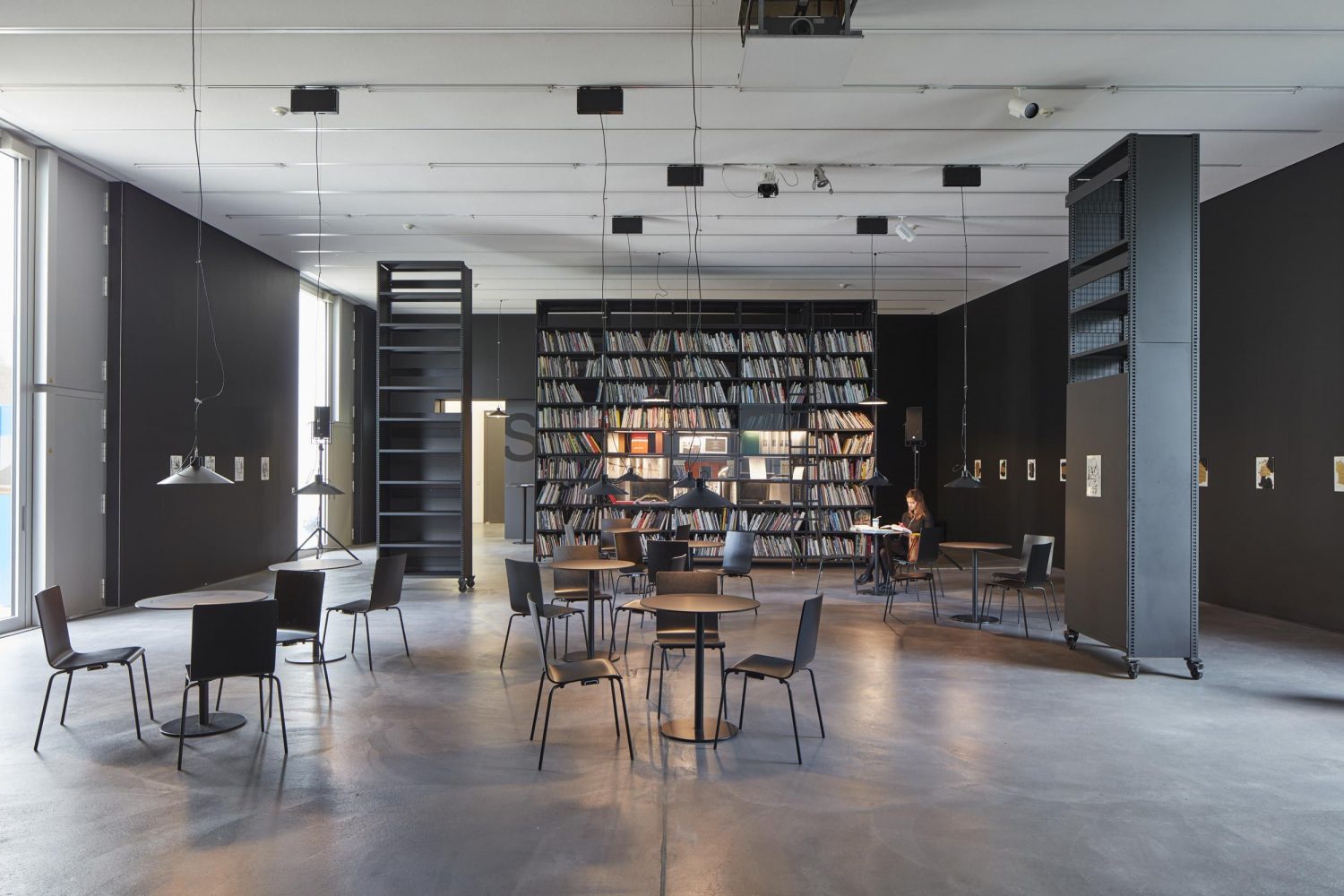
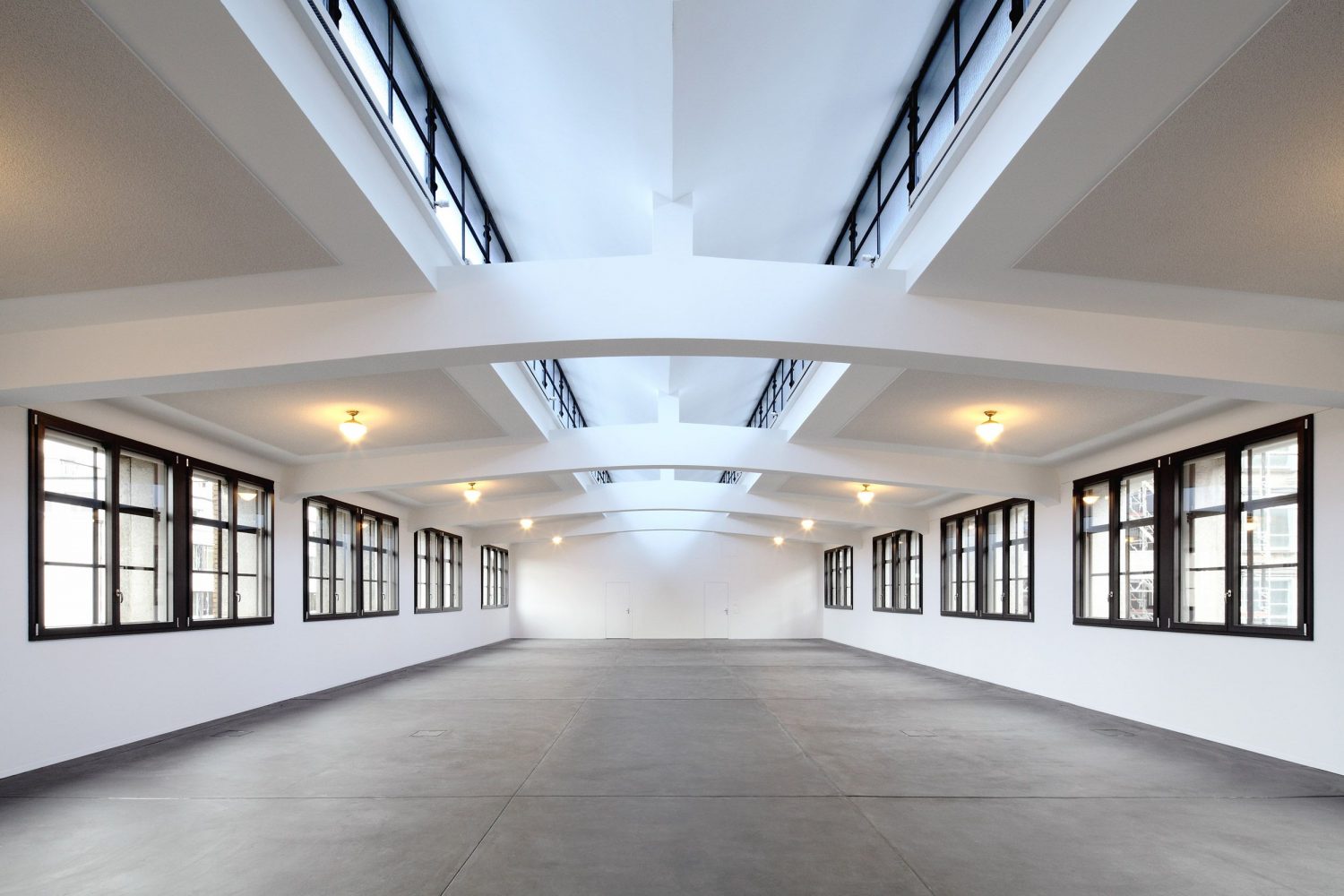
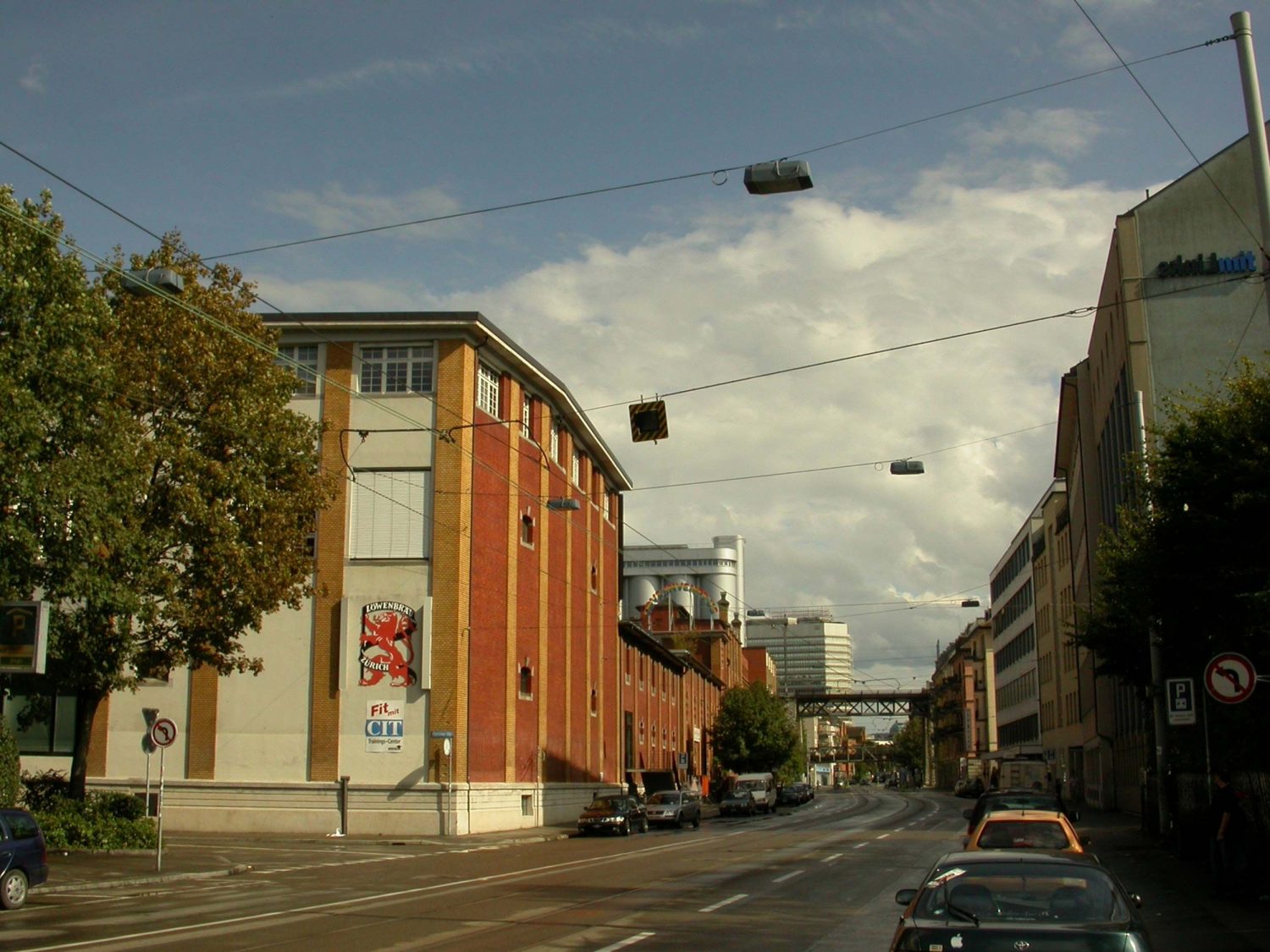
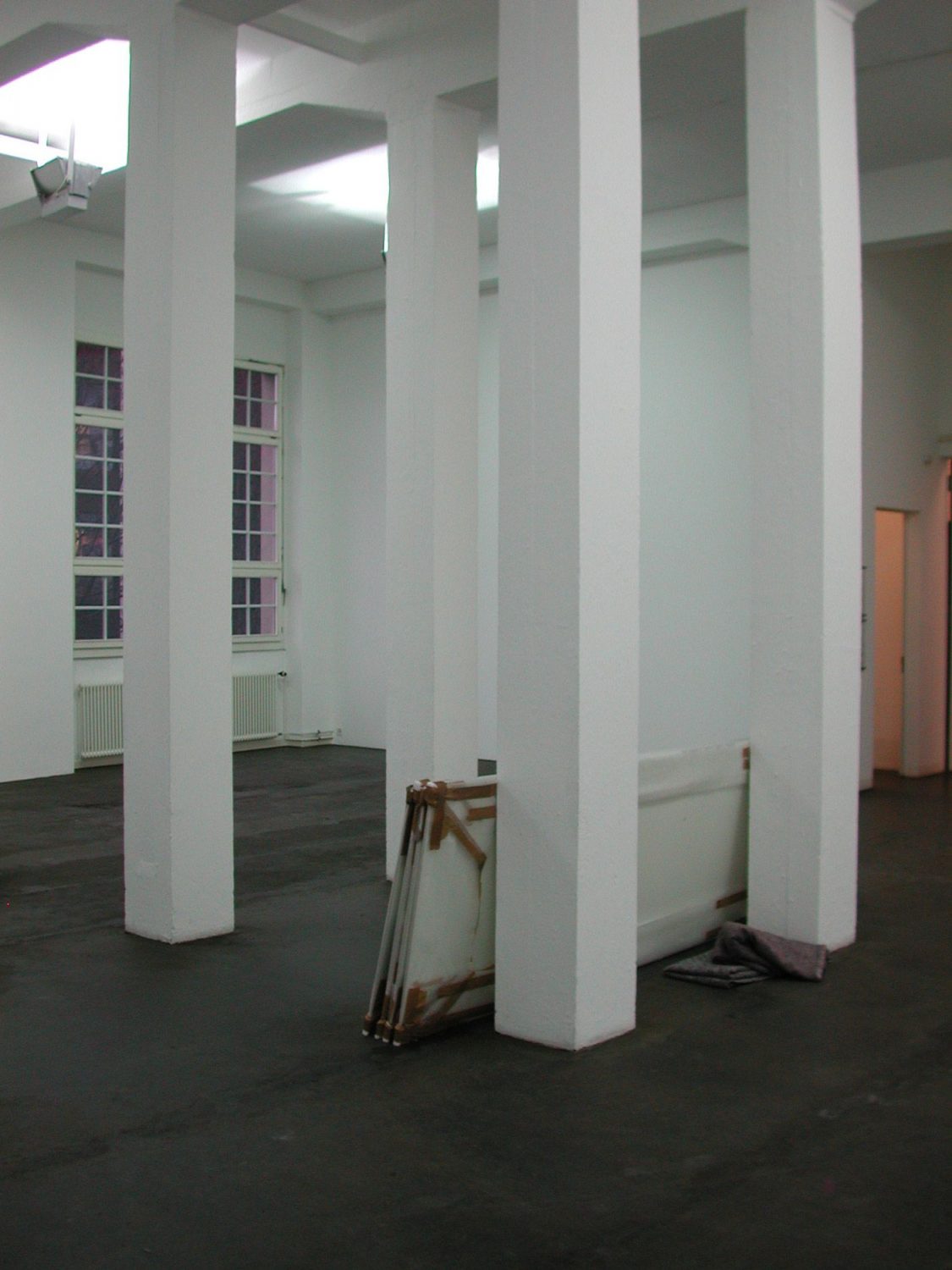
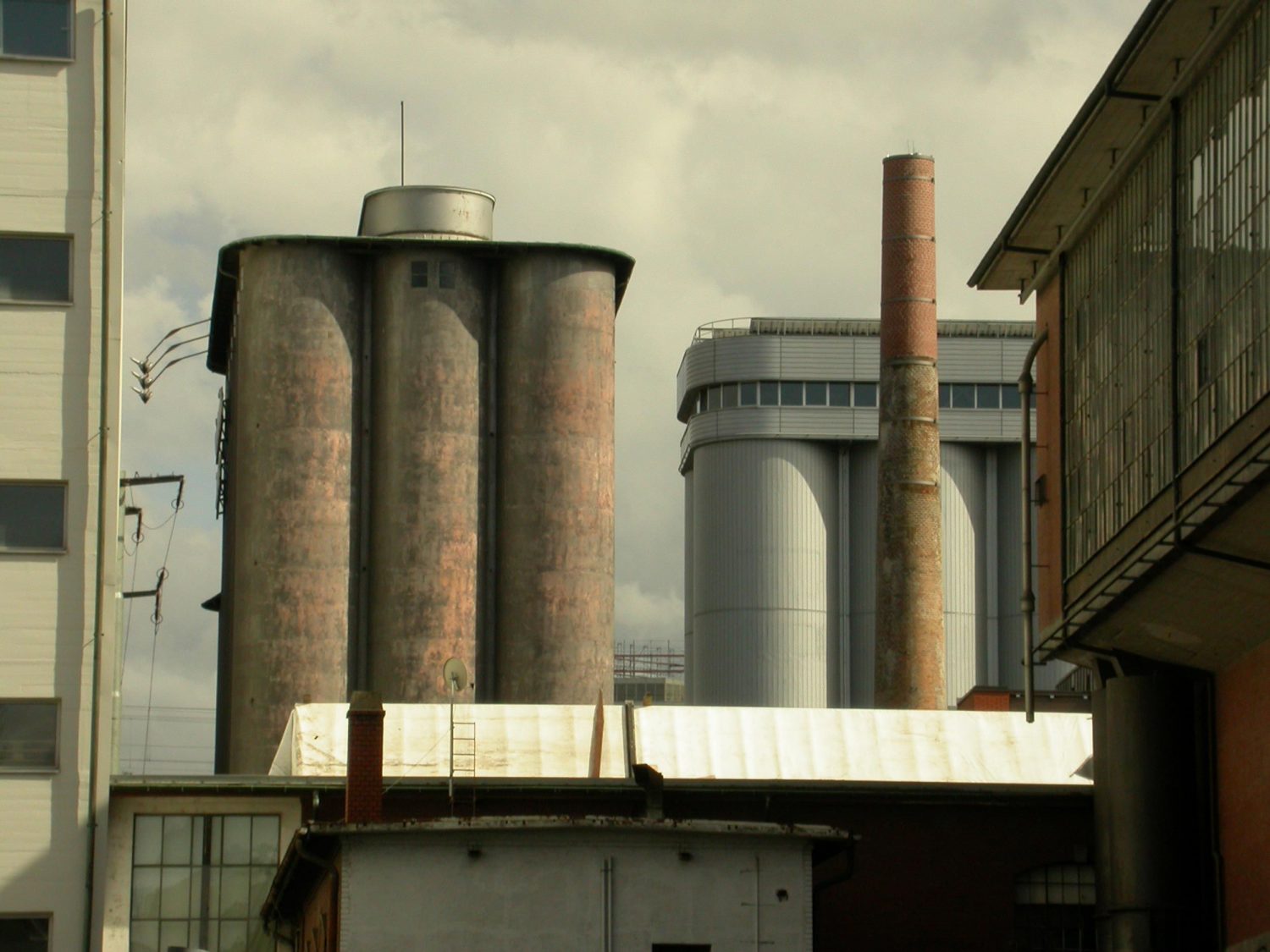
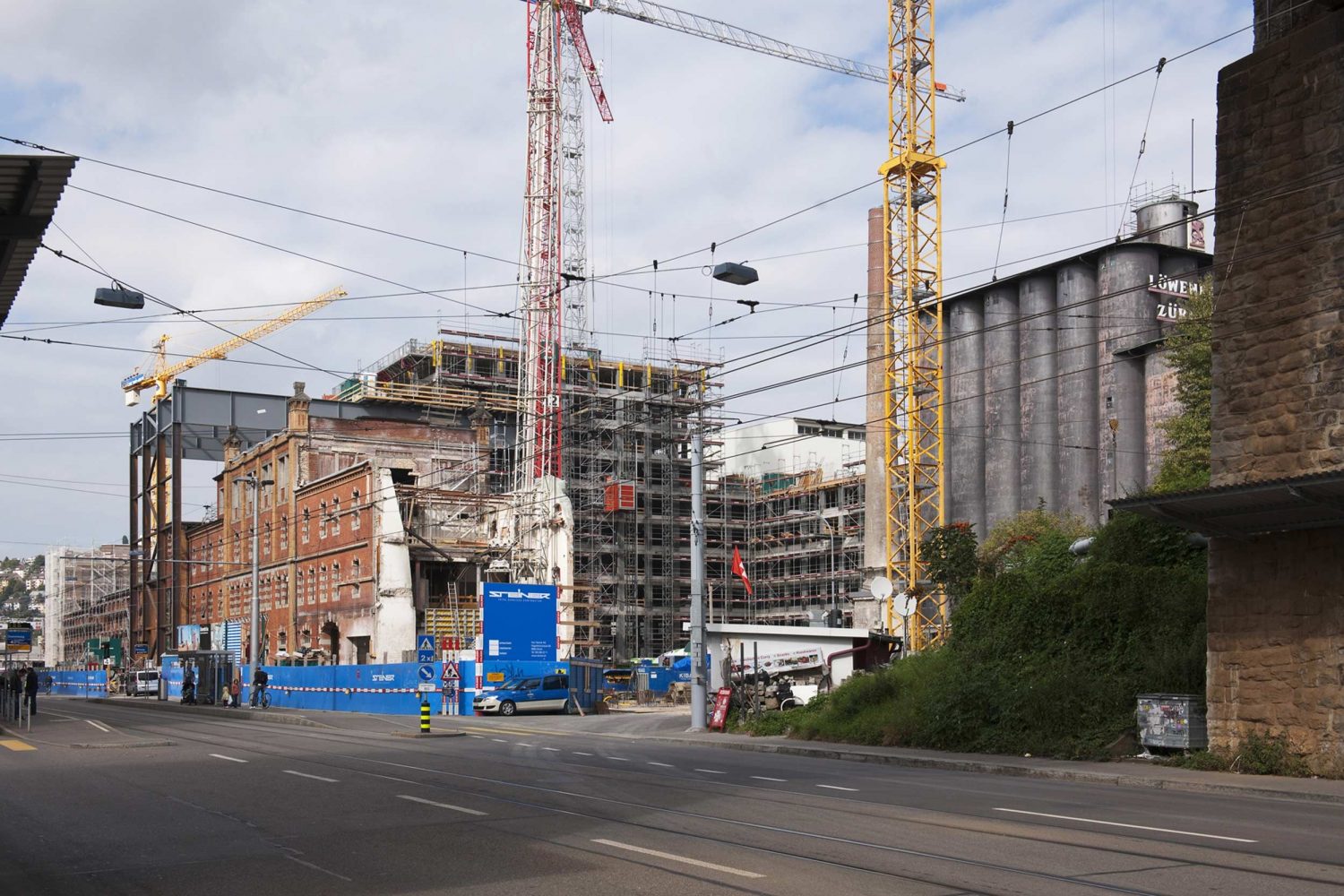
The history of the Löwenbräu complex, a former brewery, is one of frequent remodeling, adding on, and replacing parts of the existing buildings, whereby the change of use from a brewery to an art exhibition and gallery complex in the 1990s marked the crucial turning point. The new project is based on this most recent, successful conversion, while enhancing the variety of uses for this complex with new residential, office, and exhibition spaces. The preservation of the original historical building is an important step toward maintaining the identity of the former industrial district, rendering an important chapter in the city’s history visible.

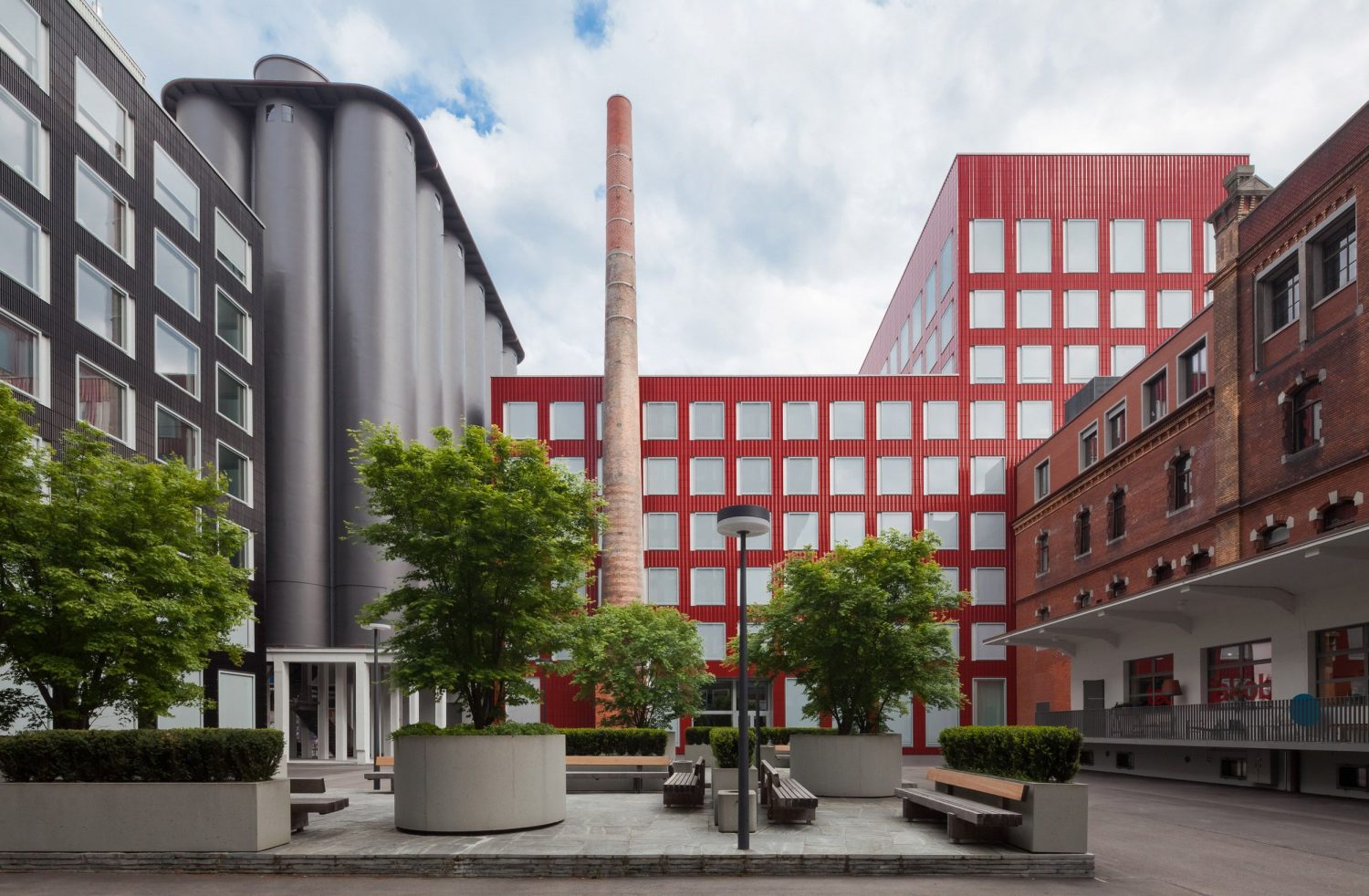
The concept for urban development here focuses on three structural changes in the form of new buildings within the existing complex: the New West Building, to offer additional space for the arts, the New East Office Building, and the Central High-Rise Residential Building. Together with the steel tower and the Swiss Mill silos, the high-rise residential building redefines the site’s silhouette and—to a certain extent—even that of the city.
By adding buildings to the existing complex, a new urban ensemble can evolve—with the Central High-Rise Residential Building forming the focal point. The elongated, older structures with the former main brewery building on Limmatstrasse are framed by the addition of a further level on top of the Arts Center in the west and by the taller New East Office Building at the opposite end near the railway viaduct.
The new Löwenbräu complex is now to be seen not just from the street and from a distance, but also from its two courtyards. The former Brewer’s Yard - a listed historical site - provides access to the surrounding buildings as well as being a traffic-free outside space for relaxation. The new entrance to the art institutions is located in the open Art Courtyard, which also includes parking spaces for visitors and a delivery entrance.
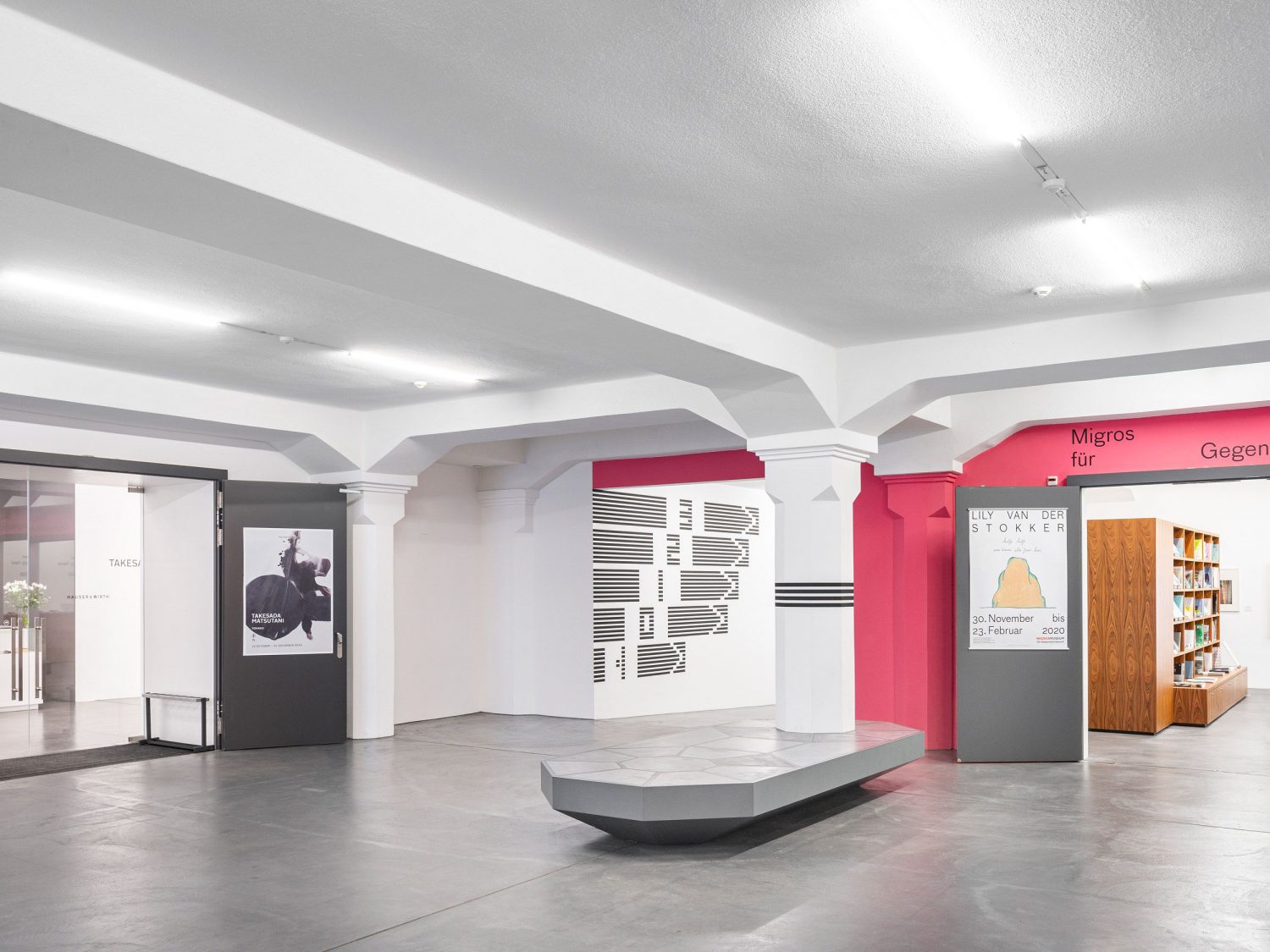
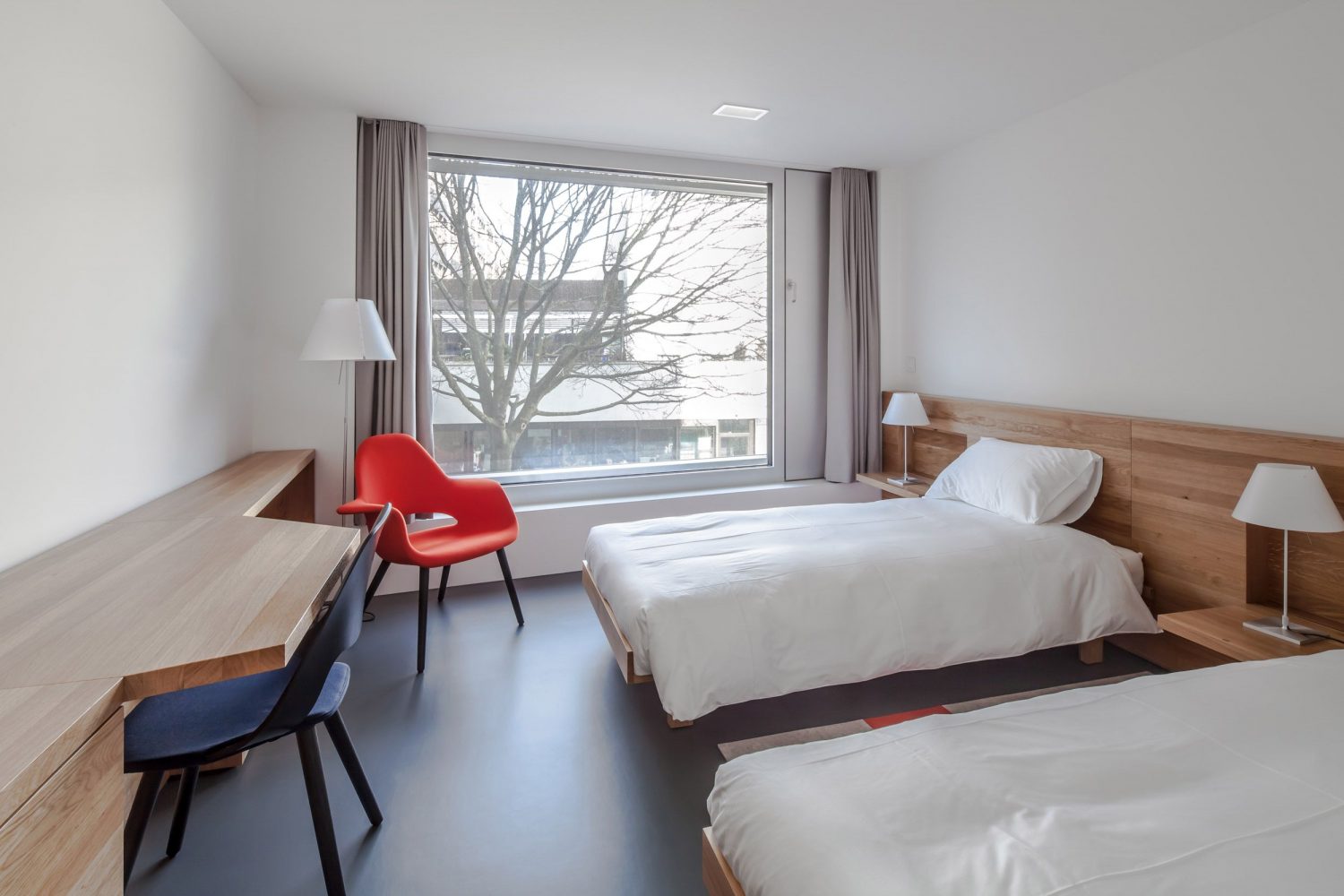
Together with the entrance area to the art section and the additional story at this end of the complex, the New West Building projects at right angles and adjoins the former workshops on the courtyard side. It includes art exhibition rooms, guest accommodations, and offices. The exhibition spaces and a multi-function room can be partitioned as required. They are lit by side windows and are accessed directly from the entrance area to the art section. This entrance area has been conceived as a new, generously proportioned foyer with a staircase and elevators. The staircase is directly accessible from the lobby, which can be entered from Limmatstrasse or the courtyard.
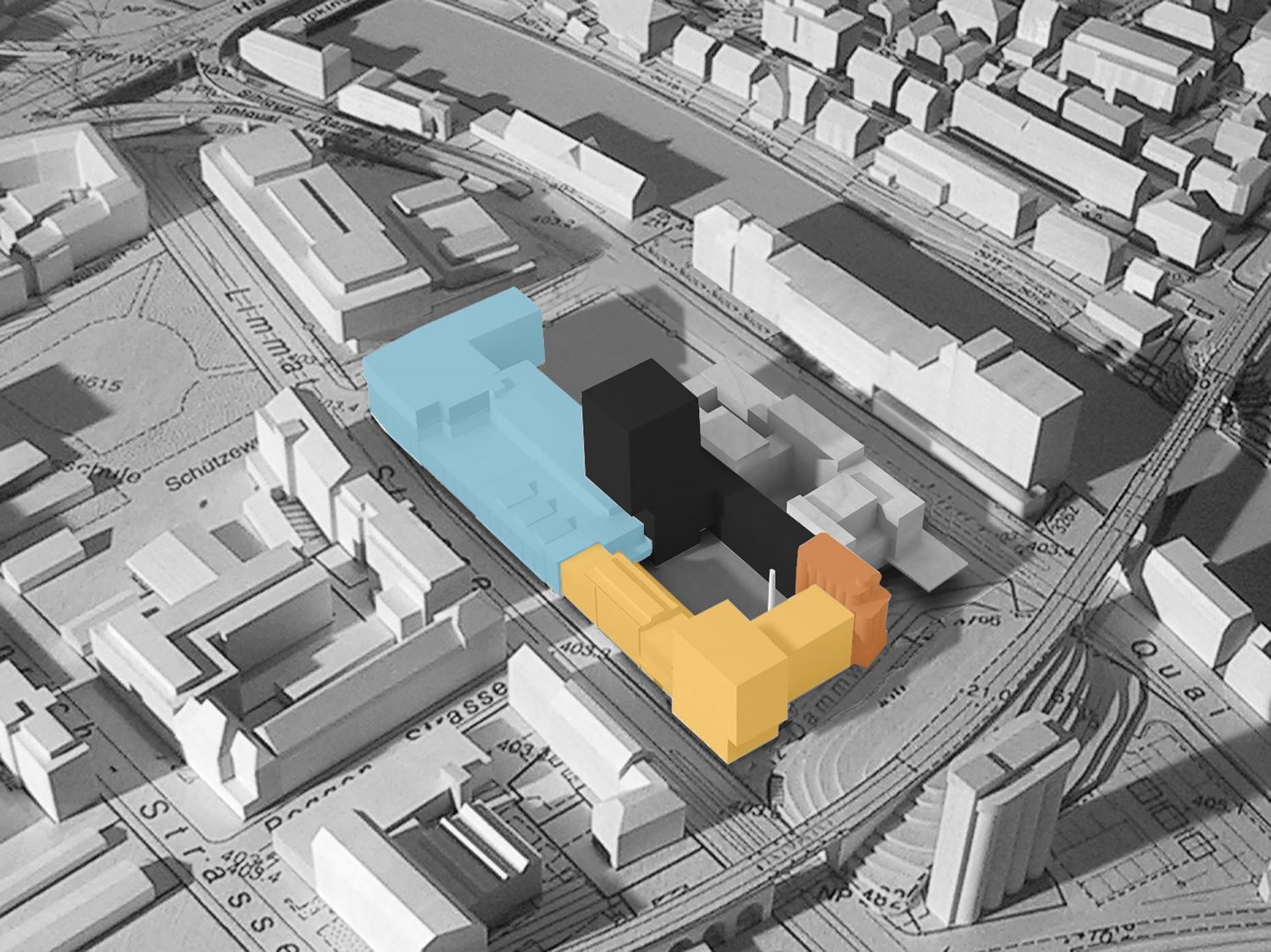
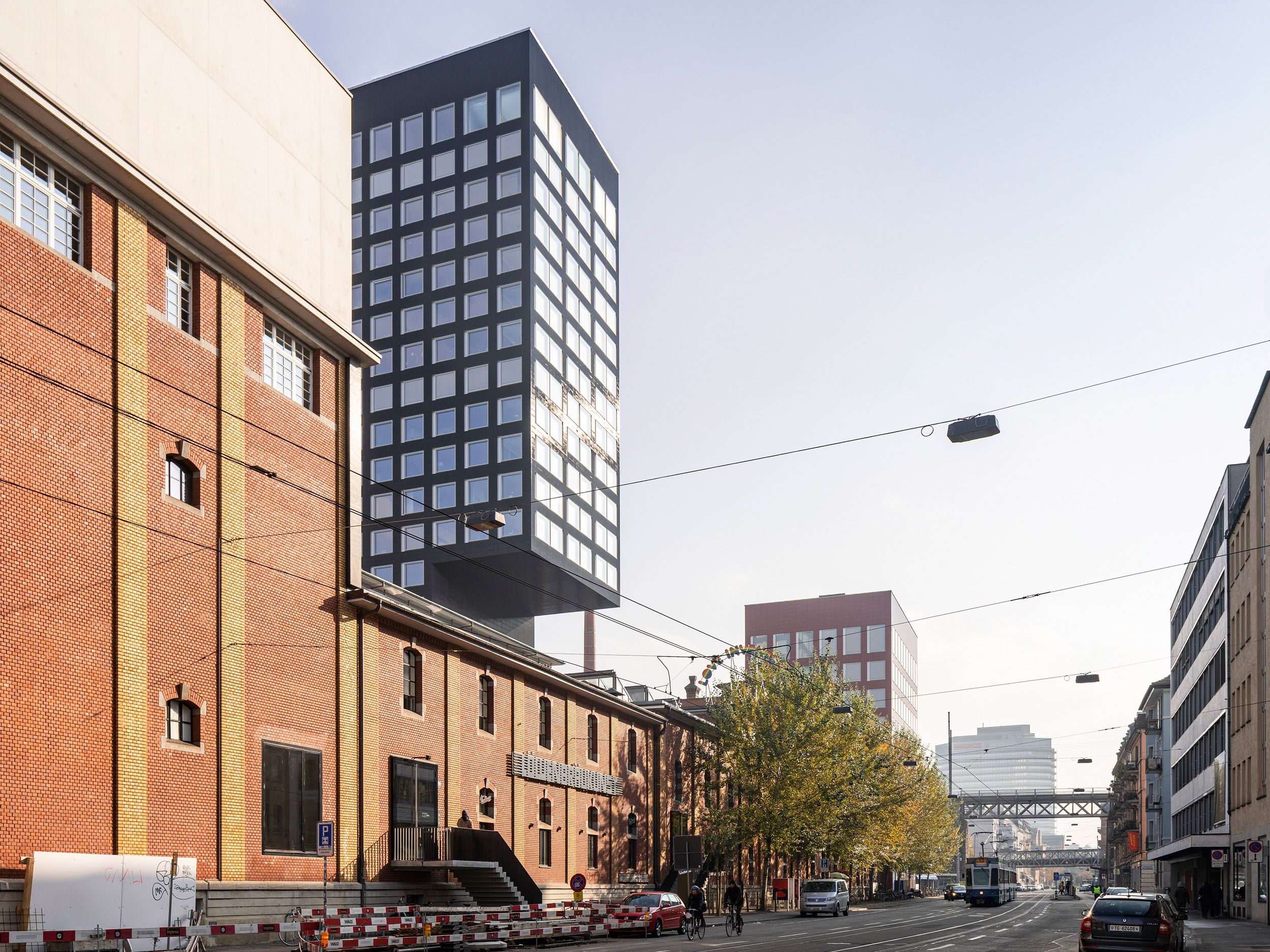
The Central High-Rise Residential Building, with its large projection to the south, houses 37 apartments, one to four on each floor, which all face in several directions, affording views of the city, the lake, and the Limmat valley. The main volume of the high-rise is cantilevered out over a narrower base set in the Brewer’s Yard. The 21 apartments in the base face southward onto the quiet courtyard. Service facilities are housed on the ground floor, in addition to a passageway between the two courtyards and the lobbies.
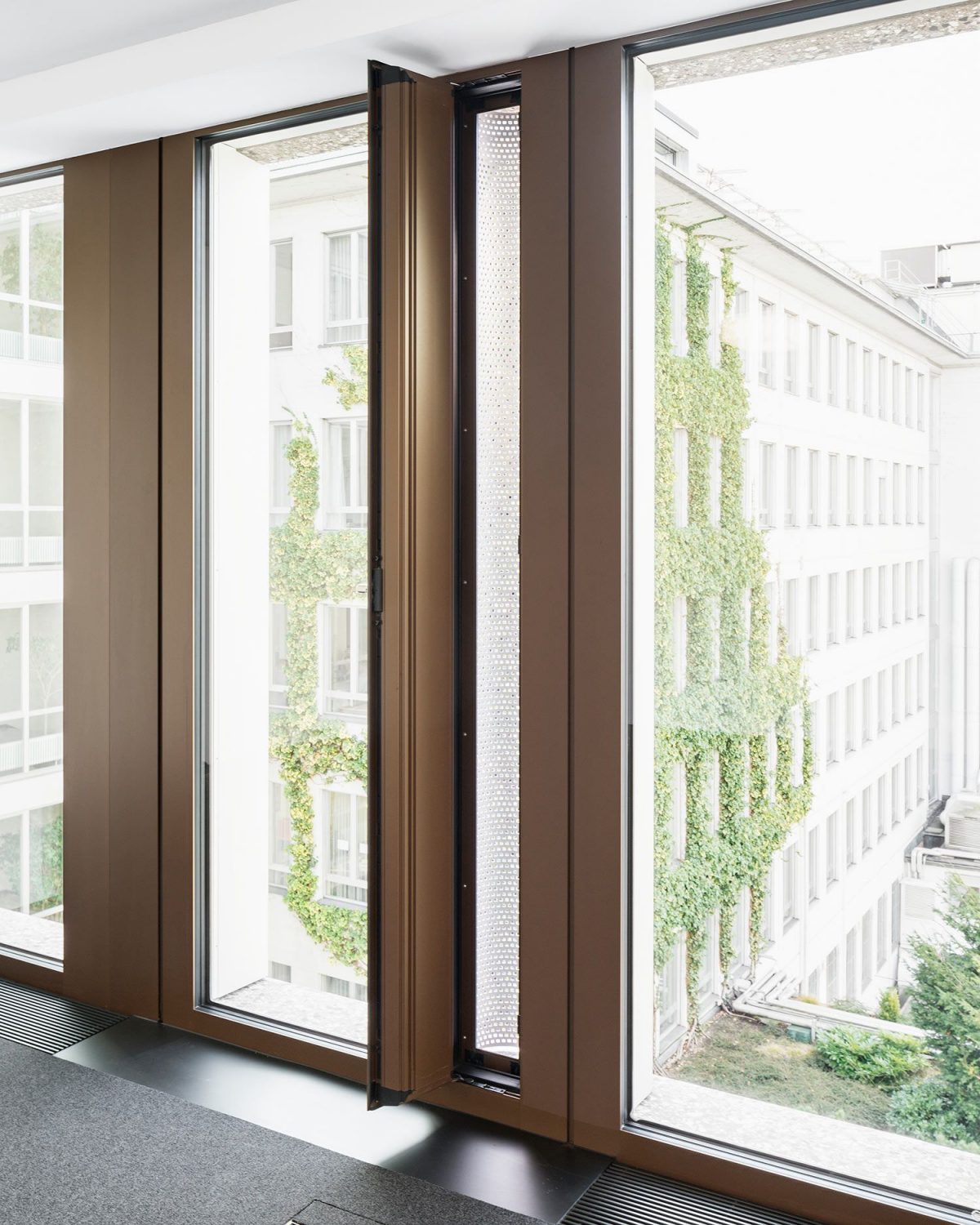
The New East Office Building is also an angled structure with a higher section on Limmatstrasse and a lower segment between Dammweg and the Brewer’s Yard. On the ground floor, the entrance lobby to the offices is located under the projection, whereas the gallery and retail spaces are accessed via the courtyard. The varied widths of the rooms on the upper office floors enable them to be adapted to suit a range of different office constellations. The façades of the Central High-Rise Residential Building and the New East Office Building are clad in molded ceramic elements with black and red glazed finishes that refer to the colored brickwork of the existing buildings. Double aluminum windows with additional ventilation slits consist of an external pane of plain glass and an inner pane of insulation glass with blinds in between. Turn-and-tilt-lift windows, custom-designed for the tower, can slide all the way up to the ceiling to invite the outdoors inside on a sunny day.
The tower rises up above the row of various old and new buildings along Limmatstrasse as a dark, shimmering volume. The walls form grid patterns whose ceramic surfaces stand out from or merge with the window areas depending on the light, presenting a changing face to the city.
The red New East Office Building picks up on the fundamental character of the old buildings not only with regard to the materials used, but also in its coloration. The wavy structure, the gleaming materials, and the alignment of the windows, however, anchor the building firmly in the present.
The New West Building has been designed as a homogeneous, white concrete structure, insulated on the inside. The art spaces are equipped with box windows. While the new and old sections of this building are interwoven closely here in terms of their volumes and use, the material finish chosen for the addition sets it apart from the existing structure. A new ensemble is created that enables the expansive dimensions of the new volume to be clearly read and signals the presence of the arts within the complex.

Location Zurich, Switzerland

Programme Conversion and extension of a former, partly listed brewery; museums, galleries, event hall, studios, shop areas, 58 apartments 2.5–5.5 rooms (21 courtyard apartments, 37 tower apartments), new office building, storage areas, underground parking

Competition 2003, two ex aequo 1st Prizes: Gigon/Guyer and Atelier WW Architekten

Planning/Construction 2005–2014

Client PSP Properties AG

Gross Floor Area 48‘328 m2

Team GG Collaborators Competition:
Gigon/Guyer: Volker Mencke
Atelier WW: Martin Danz
Planning/Execution:
Mitarbeit Gigon/Guyer:
Mike Guyer, Christian Maggioni, Volker Mencke (Planning-/ Team Manager), Bettina Gerhold, Daniel Friedmann, Reto Killer, Kathrin Sindelar, Damien Andenmatten, Yvonne Grunwald, Alex Zeller, Pieter Rabijns

Total Contractor Steiner AG, Zurich

Landscape Architecture Schweingruber Zulauf Landschaftsarchitekten, Zurich

Structural Engineer Consortium Dr. Lüchinger + Meyer Bauingenieure AG, Zurich Henauer Gugler AG, Zurich

Electrical Engineer Planning/Submission: Schneider Engineering + Partner Zürich AG, Zurich
Execution: Mosimann & Partner, Zurich; Schmidiger + Rosasco, Zurich

Building Services Engineer Gruenberg + Partner AG, Zurich

Building Physics Engineer braune roth ag, Binz

Fire Safety Makiol + Wiederkehr Dipl. Holzbau-Ingenieure HTL/SISH Beinwil am See

Facade Planning/Submission: gkp fassadentechnik ag, Aadorf
Execution: Josef Gartner GmbH, Gundelfingen

Signage Integral Ruedi Baur, Zurich
Remodeling Entrance: Teo Schifferli, Zurich
Signito, Zurich

Colours Harald F. Müller, Öhningen, Germany

Photos Löwenbräukunst, Remodeling Entrance: © Roman Keller
© Thies Wachter
© Shinkenchiku-sha, Tokyo
Kunsthalle Zürich exhibitions: © Stefan Altenburger Photography
Luma Westbau Schwarzescafé: with kind permission Luma Westbau | Luma Stiftung © Stefan Altenburger
Courtyard apartment: © Laura Egger
© Christian Scholz
Construction site: © Thomas Zwyssig

Arts Centre

Residential high-rise

Brewery Main Building

New Office Building East

History