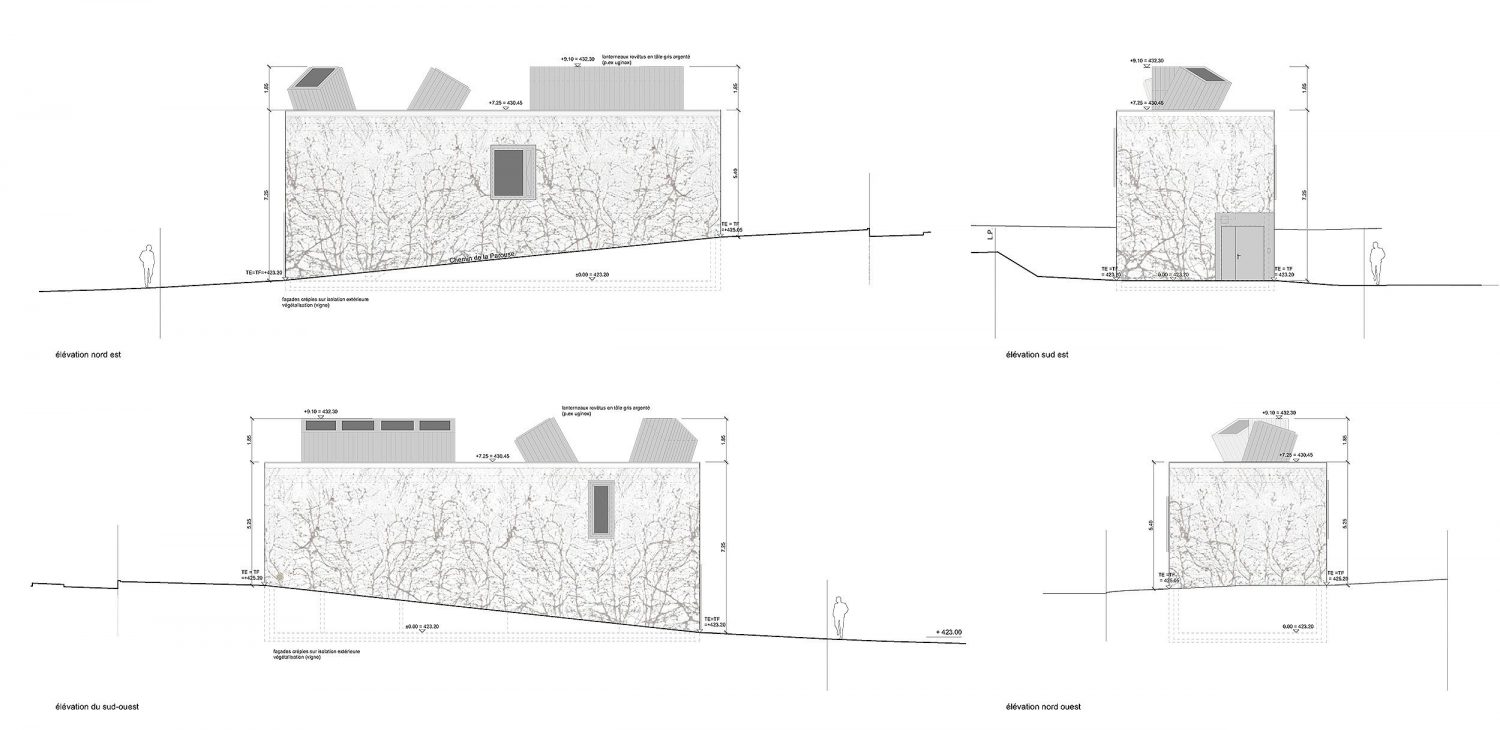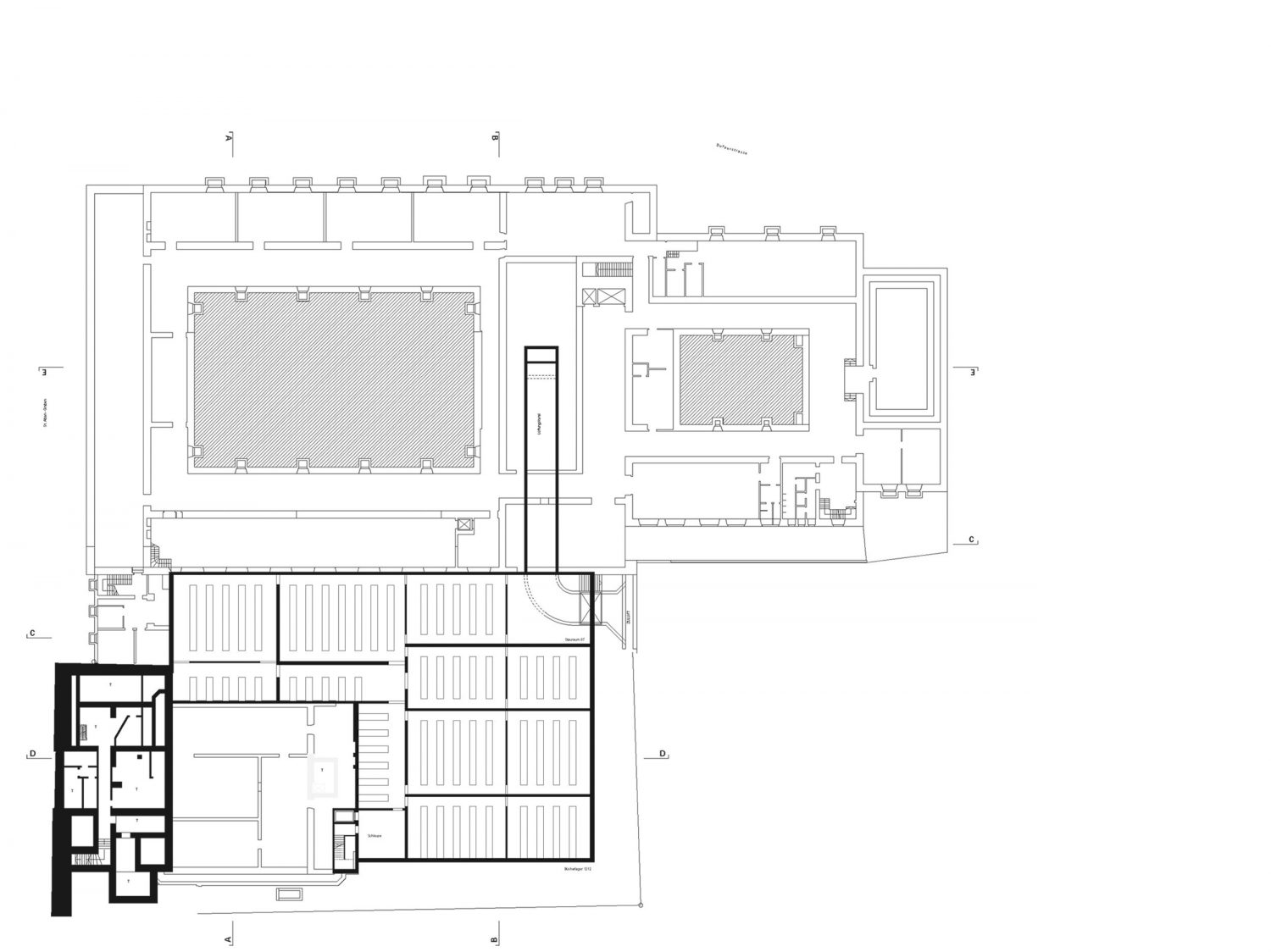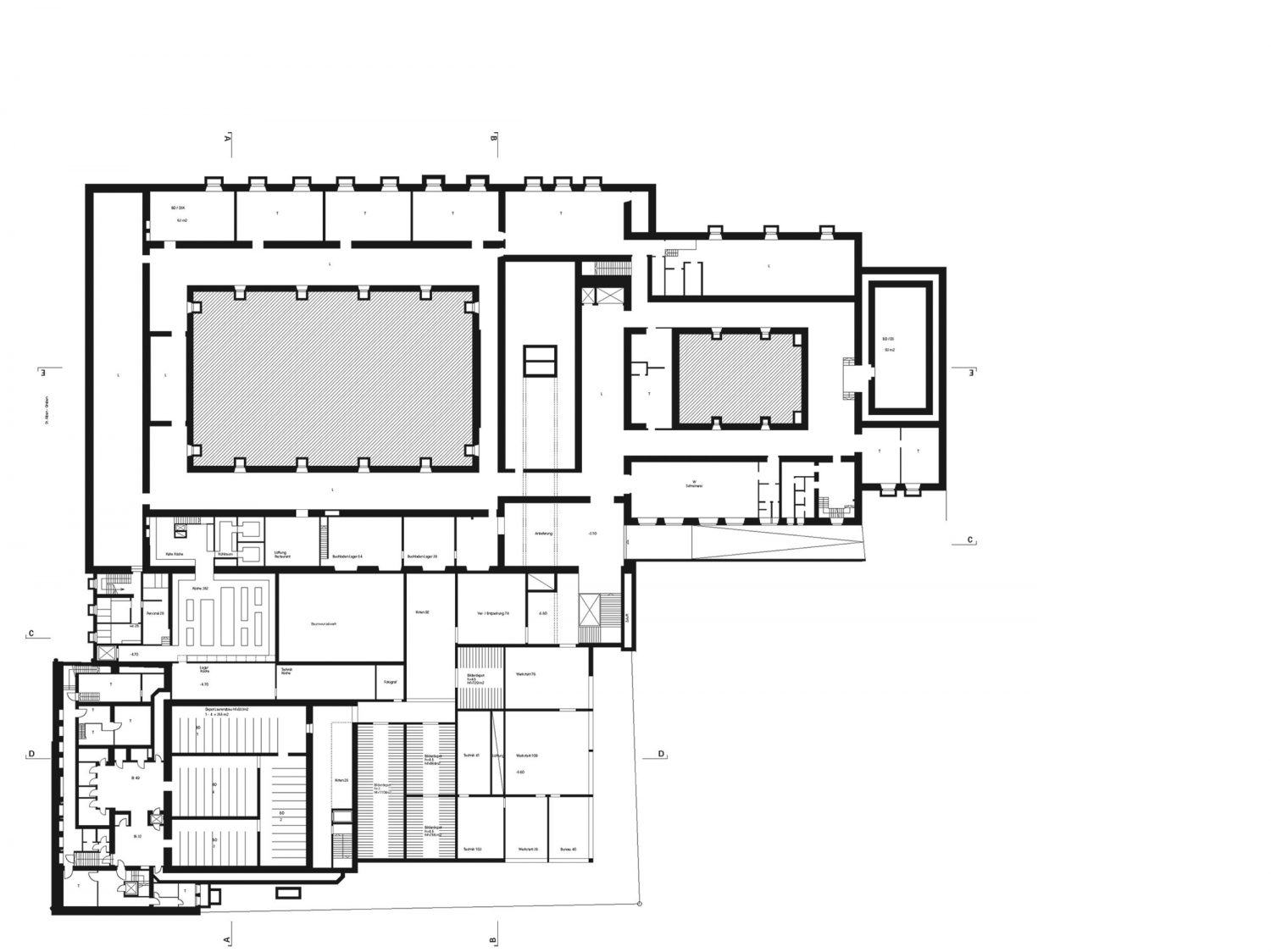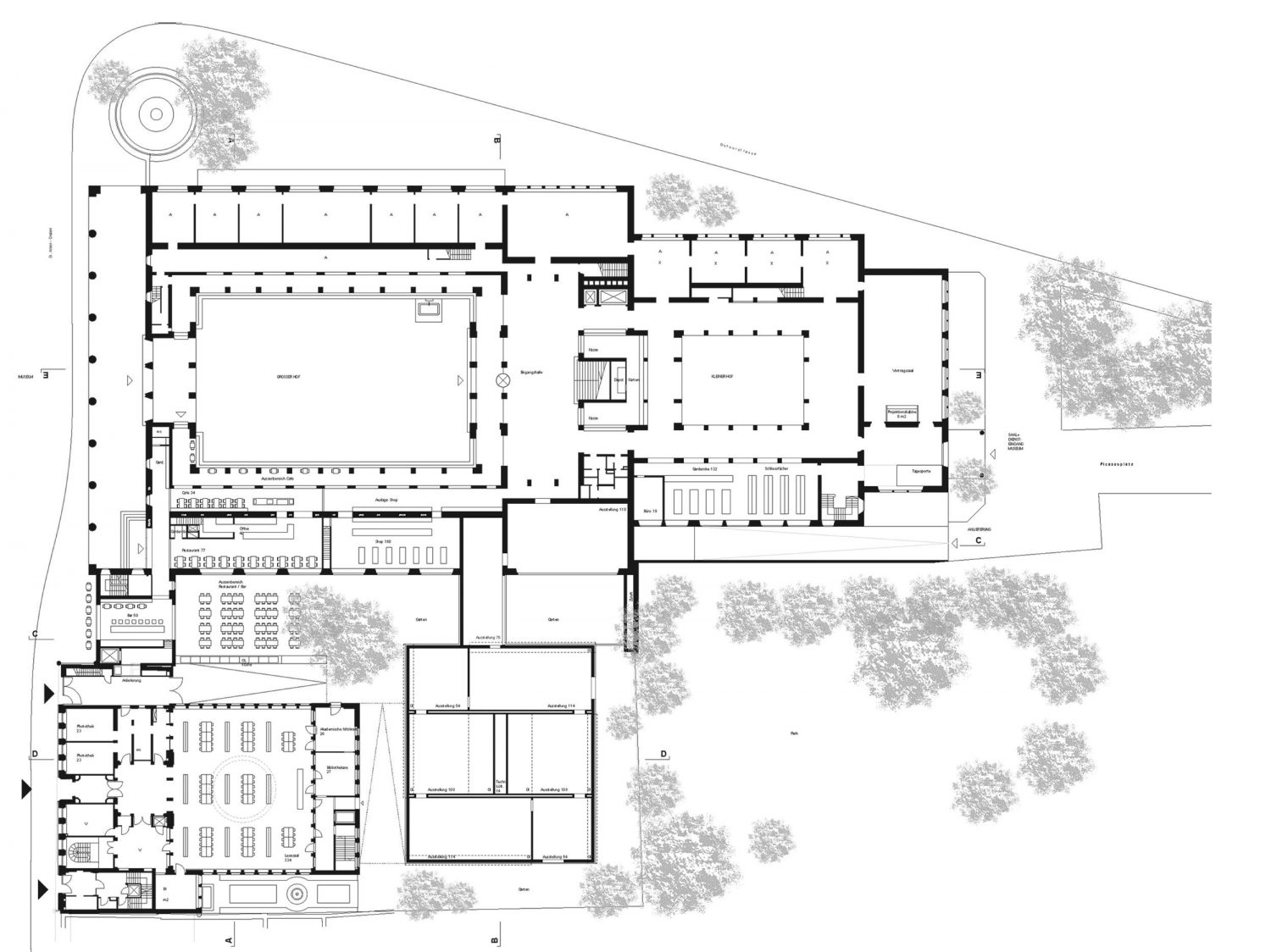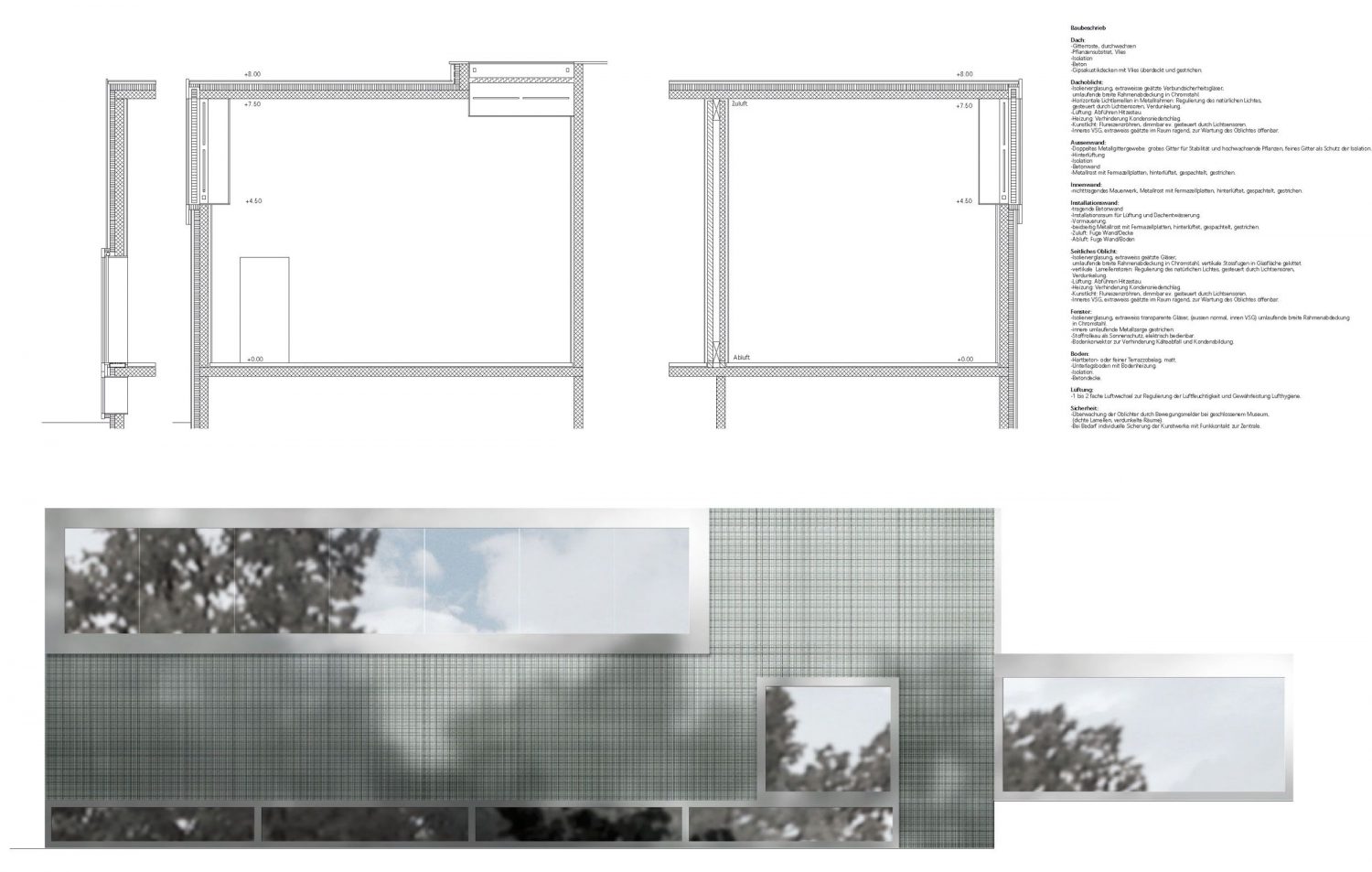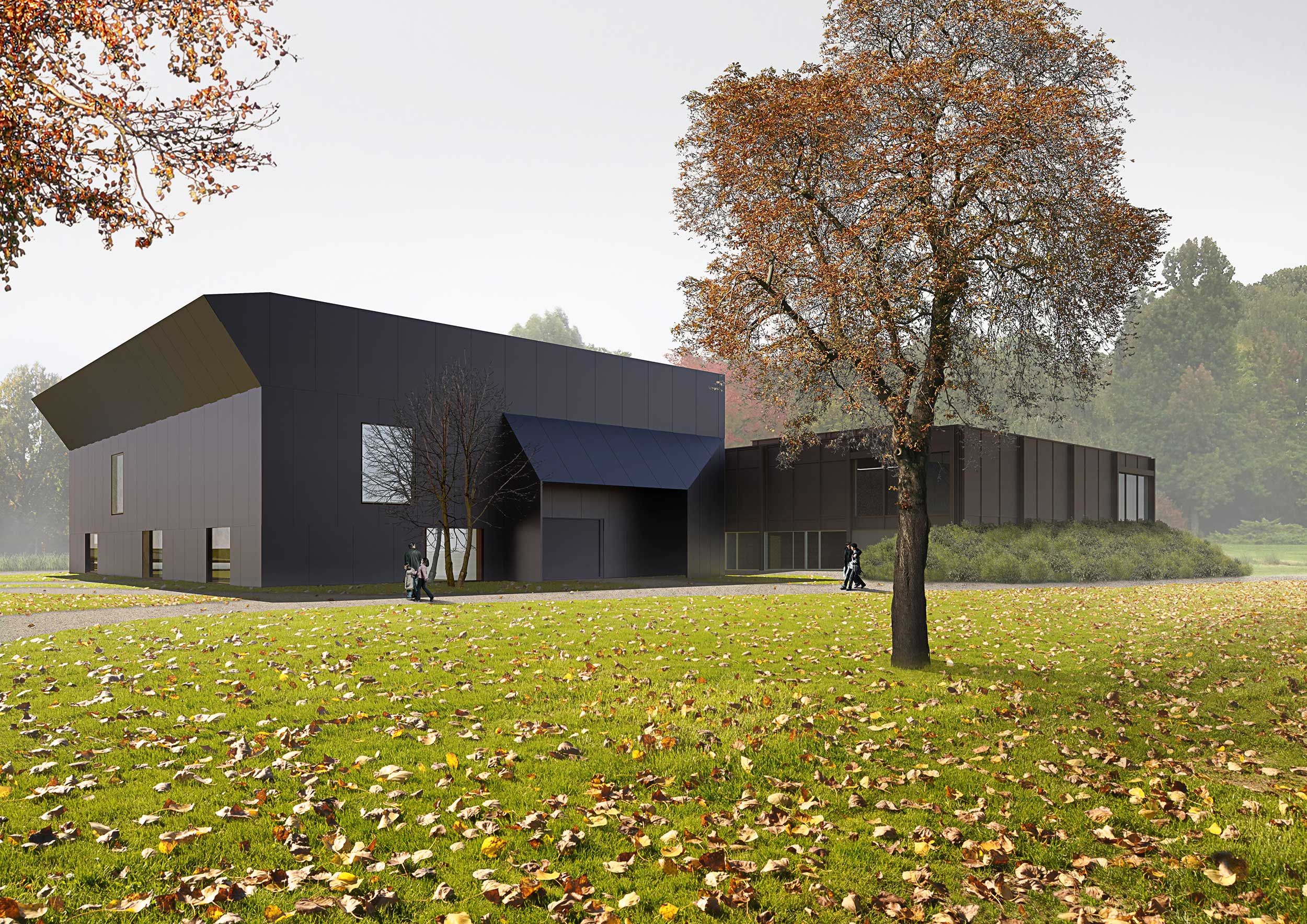
A two-storey building for the works of the artist Pierre André Ferrand.
Depot and storage space on the ground floor; archive, workshop and exhibition space on the upper floor.
Project Category: Studies/Competitions
Centre of Dental Medicine
Espace de l’Art Concret, Extension of the Collection Building, Phase 3
Maag-Tower (now: Prime Tower)
Replacement of Hangenmoos Housing Estate
Housing Development Labitzke Areal
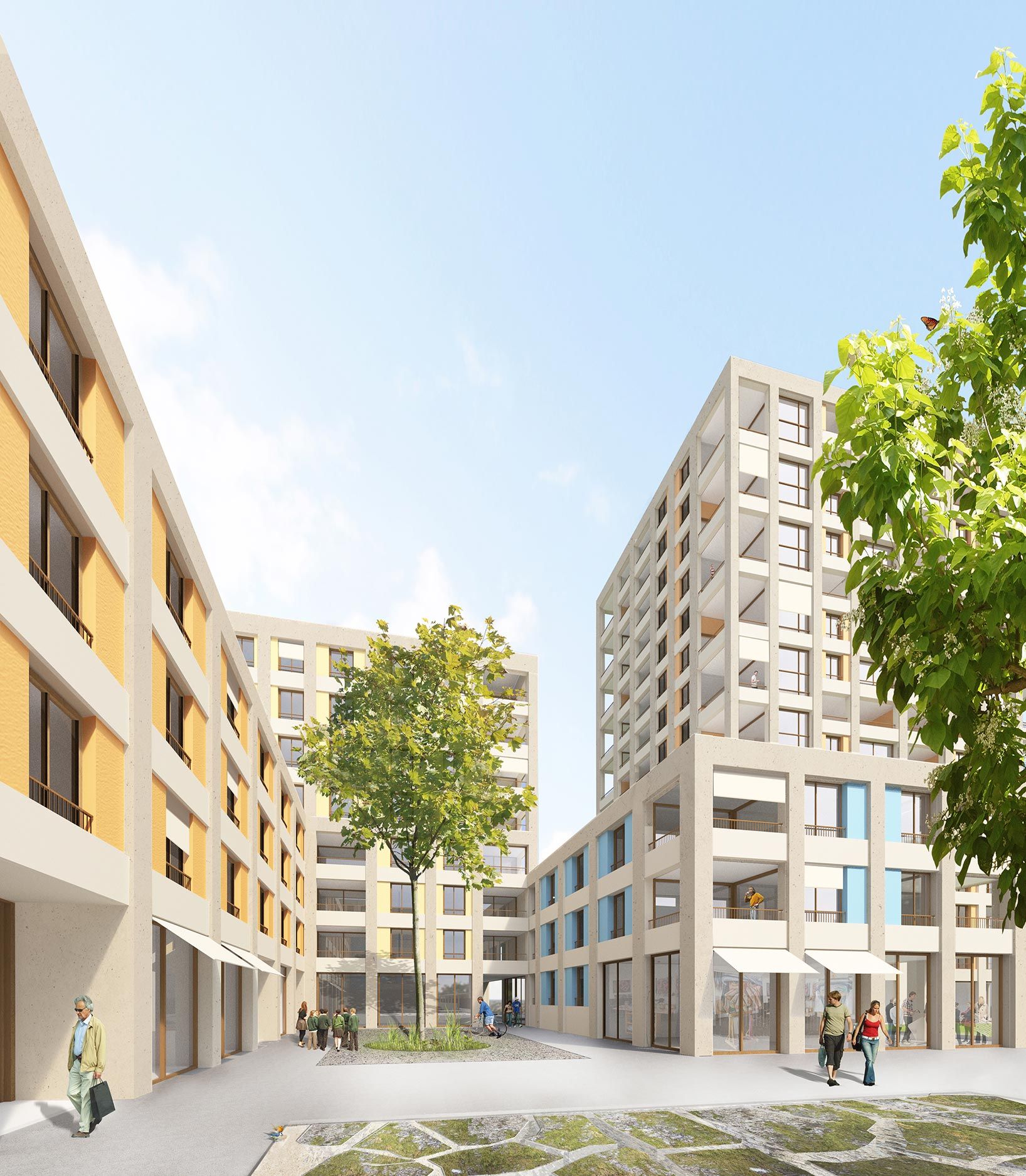
A dynamic increase in density is planned for the premises of the former Labitzke industrial plant, where paint was produced until the early 1990s. The 10,000 square metres of land in Zürich-Altstetten will accommodate 277 rental units, commercial spaces, offices and a day-care centre.
Eight buildings of different sizes and heights meander among neighbouring plots between busy Hohlstrasse and quiet Albulastrasse. The staggered arrangement of the buildings creates enclosed outdoor spaces, each with a character of its own depending on location and design. Passageways connect the squares and ensure pedestrian access throughout the premises. The former atmospheric quality of the heterogeneous commercial buildings will be sustained in a new form.
Two high-rise buildings of 15 and 21 floors respectively are placed west and east at the beginning and end of the development. The ground floor levels facing the streets and the outside squares accommodate shops, commercial spaces and a day-care centre. Forty types of flats have been designed for a wide spectrum of tenants, from spacious 4.5 room accommodation to simple studios with a small garden.
Vertical and horizontal strip work and slightly recessed railings form an architectural structure shared by all of the buildings and lending unity to the whole.
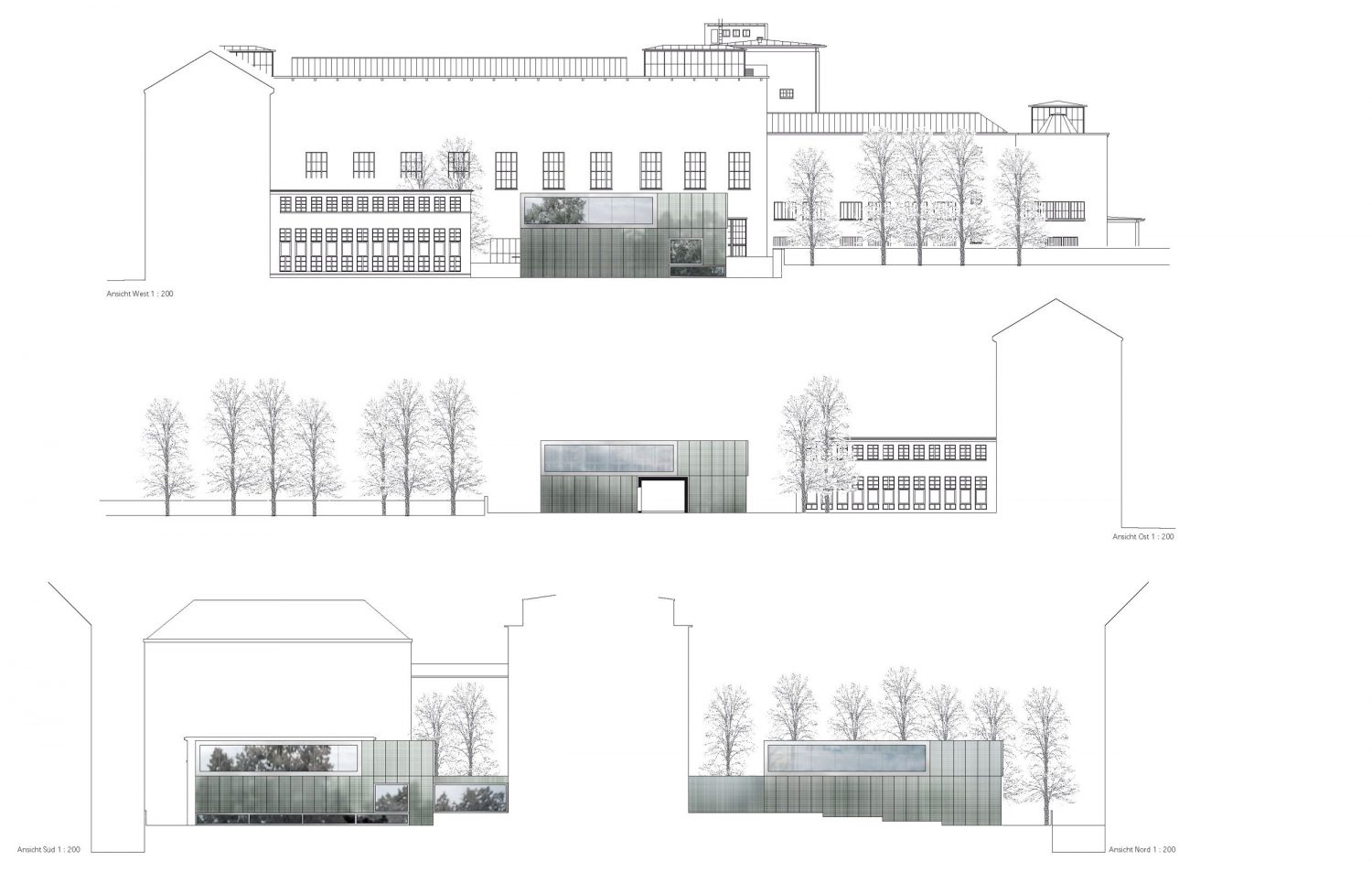
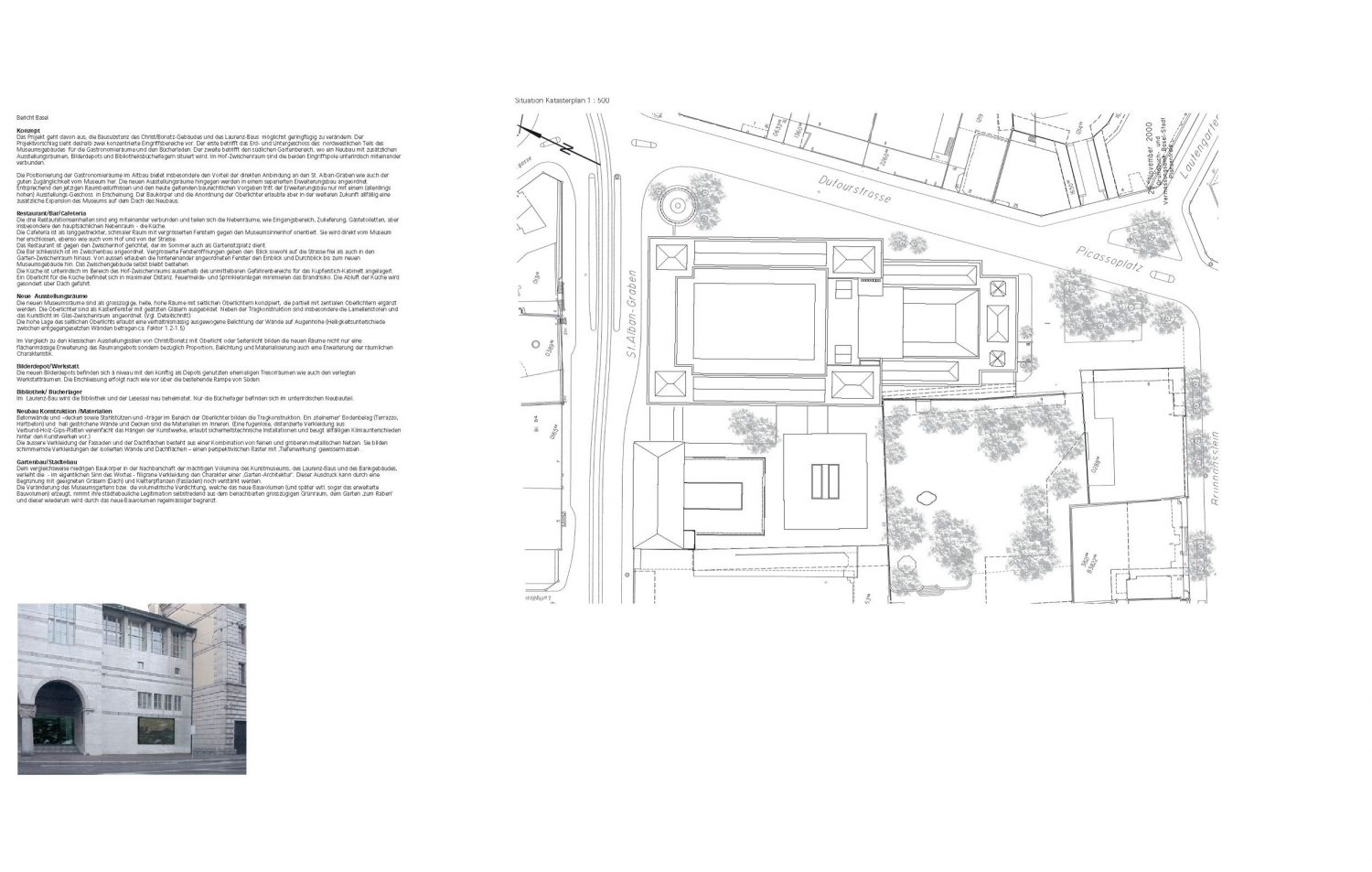
New building and remodeling of the Kunstmuseum Basel
Cultural Center and Workshop, Schauspielhaus
Housing Development Wallisellen
Housing Development Hohenbühl
Building on the eastern part of the private Hohenbühl Park, an exclusive site in the middle of the city, should happen analogously to the way demonstrated by the two existing villas “zum Felsen” and “hintere Falkenburg”. With each positioned on the edge of the private park, they thus “bound” the park in its center.
Corresponding to the building’s usage as rental and condominium housing, the project, however, seeks not to multiply in its volumetry the urban villa type, but rather to unite the housing units together into one generous building volume. This is similar to the neighboring buildings from Häfeli and Moser, which lie on the same street, and with which the new edifice forms an ensemble.
The building volume is positioned parallel to the access road. The western portion of the building is set back into the park at the end of the street. In this manner, the volume visualizes the future forms of ownership in the complex with one third as rental apartments and two thirds as condominiums. The main approaches to the buildings are via wide stairs from the street—a characteristic of the bourgeois house—while a narrow, winding path from the Zeltweg thoroughfare forms the second access to the complex. The existing, denser grove of trees to the north and the less dense, garden-like grove to the south allow for the daylighting needs of the building.
The considerable generosity of the apartments responds to the exclusive location. Particular attention is paid in the design to the living–dining areas of the apartments. The middle apartment types possess a living space that stretches across the entire depth of the building, offering views therein to both the southern and northern portions of the park. The living areas of the apartments at the ends of the building are primarily oriented to the south, while being corner-lit, in addition. This could be additionally expanded to the northeast rooms, as needed. The covered patio is accessible from the living room as well as from the kitchen via large sliding doors. Placing the outdoor area to the side of the kitchen serves to avoid permanently shading the living area.
Windows that vary in size subtly express the variety of uses lying within, while lending rhythm to the façade. Window frames in structural bronze and a beige-brown-colored façade—with finely-sandblasted exposed concrete or traditional, quartz sand, feldspar rough-cast stucco—are to outwardly reproduce that understated richness that has always been peculiar to representative and prominent buildings in the city of Zurich.